Whey to Go: The No-Nonsense Breakdown of WPI 90 and What Actually Makes a Protein "Premium"

Walk down any supplement aisle and the word "whey" is plastered across nearly every tub. Whey concentrate, whey isolate, hydrolysed whey, grass-fed whey, native whey. It's enough to make anyone's eyes glaze over before they've even read the nutrition panel. But behind all that label-speak, there's a real difference between protein powders, and it usually comes down to one thing: how much actual protein ends up in the scoop versus everything else tagging along for the ride.
That's where WPI 90 comes in. The "90" isn't marketing fluff. It refers to a whey protein isolate that's around 90% pure protein by weight, which puts it at the top end of what's commercially available without venturing into the territory of hydrolysates or specialised lab products. Understanding how it gets to that level, and why the journey matters, makes choosing a protein a whole lot less confusing.
Where Whey Actually Comes From
Here's a fun fact most people skip over: whey was, for a long time, considered a waste product. When milk gets turned into cheese, it splits into two parts. The thick, curdled stuff becomes cheese. The thin, watery liquid left behind is whey. Cheesemakers used to pour it out, feed it to pigs, or use it as fertiliser. Then someone figured out that this "waste" was loaded with high-quality protein, and the entire supplement industry got a new favourite ingredient.
Raw liquid whey is mostly water. It contains a small percentage of protein, some lactose (milk sugar), some fat, and a handful of minerals. To turn it into the fine powder that ends up in a shaker bottle, it has to go through a fairly involved process of concentration, filtration, and drying. The methods used at each step are what ultimately determine whether the final product is a basic concentrate or a premium isolate.
From Liquid to Powder, Step by Step
- Separation: Liquid whey is separated from curds during cheesemaking.
- Pasteurisation: The whey is gently heat-treated to remove unwanted microbes.
- Filtration: This is where the magic happens. Membranes with very small pores filter out lactose, fat, and other non-protein bits.
- Concentration: The remaining liquid, now richer in protein, is concentrated further.
- Drying: Finally, it's spray-dried into the fine powder that gets scooped into a shaker.
Sounds straightforward, but the details inside that filtration step are everything.
Concentrate, Isolate, Hydrolysate: What's the Actual Difference?
The three main forms of whey protein on the market sit on a kind of spectrum, with each one being a little more refined than the last.
Whey Protein Concentrate (WPC)
This is the most basic and cheapest form. Depending on how much it's been filtered, whey concentrate can range from around 35% protein up to about 80% protein by weight. The rest is a mix of lactose, fat, and moisture. It's perfectly fine for general use, but anyone who's lactose sensitive or chasing leaner macros tends to find concentrate a bit underwhelming.
Whey Protein Isolate (WPI)
Isolate is concentrate that's been pushed further through additional filtration. The goal is to strip out most of the lactose, fat, and carbs, leaving behind something closer to pure protein. A quality WPI sits at around 90% protein by weight, which is where the "WPI 90" label comes from. It mixes cleaner, digests easier for most people, and delivers more protein per scoop with fewer extras.
Whey Protein Hydrolysate (WPH)
This one's been partially "pre-digested" using enzymes, which breaks the protein chains into smaller pieces called peptides. It absorbs faster but tends to taste bitter and costs significantly more. It's often used in medical nutrition or by athletes with very specific recovery needs.
For most people aiming for a high-quality everyday protein, WPI 90 hits the sweet spot. Plenty of protein, very little of anything else, and a price tag that doesn't require a second mortgage.
How WPI 90 Gets That Extra Purity
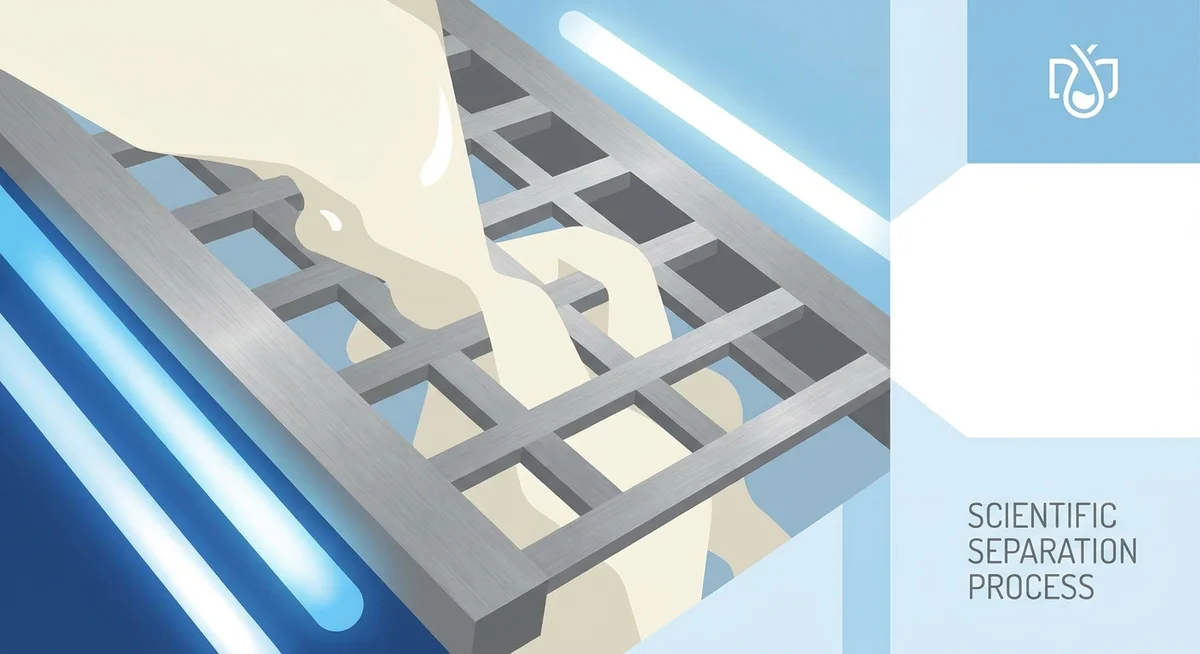
Getting whey from somewhere around 35% protein up to 90% protein isn't just a matter of filtering harder. There are two main methods used to produce whey isolate, and each one has its quirks.
Cross-Flow Microfiltration (CFM)
This is the gentler, more modern method. It uses ceramic membranes and physical filtration at low temperatures to separate the protein from lactose and fat. Because there's no harsh chemicals or extreme heat involved, the protein structures stay largely intact, which means more of the natural bioactive components survive the process. The result is a clean, neutral-tasting powder that mixes smoothly.
Ion Exchange
This older method uses charged resins to attract and capture protein molecules. It can produce a very high protein percentage, but the process tends to be harder on the protein itself and can strip out some of the smaller, beneficial protein fractions along with the unwanted stuff. The taste can also come out a bit more processed.
Premium WPI 90 products generally lean on cross-flow microfiltration because it preserves more of what makes whey valuable in the first place. The protein fractions that survive a gentle filtration process, things like lactoferrin, immunoglobulins, and alpha-lactalbumin, are part of what gives whey its reputation as one of the most complete proteins around.
The Benefits Worth Actually Caring About
Protein powder marketing tends to lean on hype, but the genuine reasons WPI 90 has stuck around in serious nutrition circles are pretty grounded.
- Complete amino acid profile: Whey contains all nine essential amino acids, including a generous helping of leucine, which is the amino acid most directly linked to muscle protein synthesis.
- Fast absorption: Whey digests quickly compared to casein or plant proteins, making it ideal for post-workout recovery or topping up protein intake between meals.
- Low in lactose: Because most of the lactose has been filtered out, WPI 90 sits much better with people who don't tolerate dairy sugar well.
- Lean macros: Minimal fat, minimal carbs, very little in the way of calorie filler. The numbers on the panel reflect what's actually doing the work.
- Versatile in the kitchen: It mixes into shakes, oats, yoghurt, baked goods, and even savoury recipes without dominating the flavour.
For anyone trying to hit a daily protein target without overshooting calories, the math on WPI 90 just works. More grams of protein per scoop, less of everything else.

Why Quality Actually Matters (And How to Spot It)
Two tubs of whey isolate sitting side by side on a shelf can look almost identical. Same flavour options, same general claims, similar protein numbers on the front. But what's inside can be wildly different depending on the source of the milk, the filtration method used, the additives blended in, and how honest the label actually is.
Some things that separate a genuinely premium WPI 90 from a budget knockoff:
- Source of the milk: Whey from healthy, well-managed dairy herds tends to start with a better nutritional profile. Country of origin and farming practices matter more than most people realise.
- Filtration method: Cross-flow microfiltration produces a cleaner, more bioactive protein than older or harsher methods.
- Minimal fillers: A quality WPI 90 doesn't need a long list of thickeners, sweeteners, and bulking agents. The protein should be doing the heavy lifting.
- Honest labelling: Some brands play games with "protein spiking," adding cheap amino acids like glycine or taurine to inflate the protein number on the panel. A reputable WPI 90 doesn't need to pad the numbers.
- Mixability and taste: A clean isolate dissolves easily without clumping and tastes neutral or pleasantly mild. Chalky, gritty, or overly sweet textures often hint at corner-cutting somewhere in the process.
The protein on the label is only as valuable as the process that put it there. Two scoops can show the same number and deliver very different results.
It's also worth thinking about what isn't on the label. Heavy artificial sweeteners, gums, and synthetic flavourings can turn a clean protein into something that sits heavy or causes bloating. The whole point of choosing an isolate is to keep things lean and easy on the system, which gets undermined fast when the formula gets weighed down with extras.
Bringing It All Together
Whey protein isn't complicated once the marketing layer gets peeled back. It's a high-quality, fast-absorbing protein that started as a cheesemaking byproduct and ended up becoming one of the most studied nutrition supplements on the planet. WPI 90 sits near the top of that hierarchy because of what's been taken out, not just what's been left in. Less lactose, less fat, less filler. More usable protein, more of the bioactive fractions that make whey worth talking about, and a cleaner experience from scoop to shake.