From Milk to Powder: How Whey Protein Is Actually Made
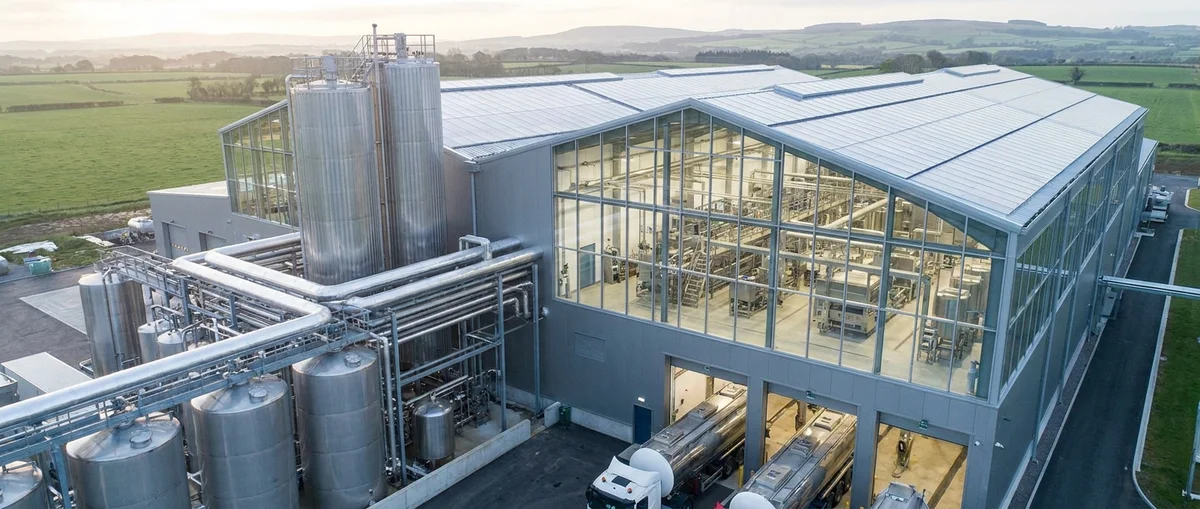
Most people shake up a scoop of whey protein and never think twice about what happened before it hit the bag. The answer is a surprising amount. Raw milk goes through seven or eight distinct stages before it becomes the fine white powder in your shaker. Each stage shapes the protein content, the amino acid profile, the digestibility, and the quality of what you're actually buying. Here's how it works, in plain language, from start to finish.
Key takeaways
- Whey is a byproduct of cheesemaking. Without cheese, there's no whey.
- Filtration is the stage that separates WPI 90 from cheaper concentrates. More passes through the filter means higher protein purity.
- How a manufacturer handles heat at each step determines how much of the protein arrives intact.
- The spray drying stage at the end turns liquid whey into the powder you scoop, but it's only the final step in a much longer process.
- Knowing the process makes it easier to read a label critically and spot shortcuts manufacturers take.
Where does whey actually come from?
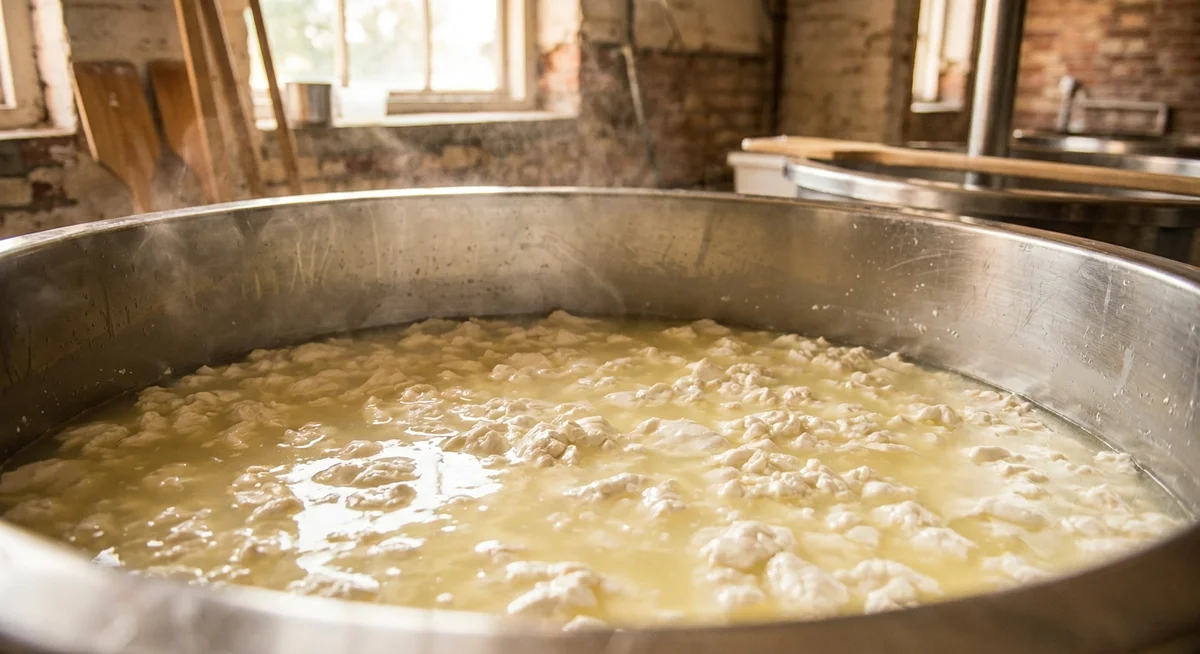
Whey starts as a byproduct of cheese production, not as something made specifically for the supplement industry. When manufacturers want to make cheese, they add enzymes or an acid to fresh cow's milk. This causes the milk proteins to separate into two groups: casein, which clumps together into curds and gets pressed into cheese, and whey, which stays liquid and gets drained off.
That liquid whey is not protein powder yet. At this point it's roughly 94% water, and the remaining 6% is a mixture of whey proteins, lactose, fat, and minerals. It looks a bit like thin, yellowish milk. For decades, dairy producers had no idea what to do with it and often discarded it as waste. Today it's the raw material for a multi-billion dollar ingredient.
What happens to the liquid whey before filtration?
Before the protein can be concentrated, the fresh liquid whey has to be cleaned up. It goes through pasteurisation first, which kills bacteria without (in a well-run facility) significantly damaging the whey proteins. The temperature and duration here matter: too high for too long and you start denaturing the proteins, which changes their structure. That's not always a disaster for muscle-building purposes, since denatured proteins still digest and absorb, but it can change the native structure of lactoferrin and other minor whey proteins.
After pasteurisation, the whey goes through a fat-removal step, typically a centrifuge that spins off most of the remaining milk fat. This gets the liquid ready for the filtration stages, which are where the real differences between protein types get made.
How does filtration create different types of whey protein?
Filtration is the stage that separates WPI 90 from standard whey protein concentrate, and it's the part most worth understanding when you're choosing what to buy.
The cleaned liquid whey passes through a series of membranes with extremely small pores. Water, lactose, and minerals pass through those pores. The larger protein molecules can't, so they accumulate on the other side. The more filtration passes a manufacturer runs, the more lactose and fat get removed, and the higher the protein percentage climbs.
| Whey Type | Typical Protein % | Lactose % | Fat % | Filtration Method |
|---|---|---|---|---|
| Whey Protein Concentrate (WPC 35) | 35% | ~50% | ~3-4% | Basic ultrafiltration |
| Whey Protein Concentrate (WPC 80) | ~80% | ~7-8% | ~5-6% | Extended ultrafiltration |
| Whey Protein Isolate (WPI 90) | 90%+ | <1% | <1% | Microfiltration or ion exchange |
| Hydrolysed Whey | 80-90%+ | <1% | <1% | WPI + enzymatic hydrolysis |
There are two main methods used to produce WPI 90 specifically. Cross-flow microfiltration uses physical membranes and keeps the process cold and gentle, which helps preserve the protein's natural structure and its minor protein fractions. Ion exchange uses a chemical process to attract and separate proteins by their electrical charge. Ion exchange can produce very high protein percentages, but the process removes some minor protein fractions in the process. If you've seen microfiltration versus ion exchange come up on supplement labels or in marketing, this is what the debate is actually about.
What is spray drying and why is it the last step?
Once the liquid whey has been filtered to the right protein concentration, it's still a liquid. To turn it into the fine, shelf-stable powder you buy, manufacturers run it through a spray dryer.
The process works by pumping the liquid whey through a nozzle that breaks it into a very fine mist. That mist gets sprayed into a large chamber filled with hot, dry air. The water evaporates almost instantly (the droplets are so small that contact time is measured in seconds), and what falls to the bottom of the chamber is powder. The temperature of the air matters here too: hot enough to evaporate the water quickly, but not so hot that it damages the proteins on the way down.
This is why you'll sometimes see "low-temperature spray dried" on a label. It's a meaningful claim, because manufacturers that take the extra care to control drying temperatures tend to produce powder with more intact protein fractions. You can read more about the specifics of spray drying and why it matters in its own article, but the short version is: it's the step that locks in the quality the filtration stage built.
Does anything else get added before packaging?
For an unflavoured, single-ingredient WPI 90, the powder goes straight from the dryer to packaging with nothing added. For flavoured products, the powder gets blended with flavourings, sweeteners, and sometimes flow agents like sunflower lecithin (which helps it mix cleanly in water).
The ingredient list length is a useful quality signal. A short list suggests less processing post-drying. A long list of additives doesn't automatically mean a bad product, but it does mean you need to read further to work out whether the base protein quality underneath all those extras is actually good. Our breakdown of what's actually in the other 10% of a WPI 90 covers this in detail.
Why does understanding the process help you buy better?
When you know how whey is made, label claims start to make sense and marketing gets easier to see through. A product that says "premium WPI" but lists a protein percentage below 85% has a mismatch worth questioning. A brand that talks about "cold processing" but doesn't specify where in the process that applies may be using the phrase loosely.
The manufacturing process also explains why price differences between products are real. Running more filtration passes, controlling temperatures carefully, and testing at each stage all cost money. That cost shows up in the protein percentage, the amino acid profile, and ultimately in how well the product works for you. Understanding what you're actually paying for in a protein powder is the practical application of everything in this article.
Frequently asked questions
Is whey protein natural or heavily processed?
Both, depending on how you define the terms. Whey is a natural byproduct of cheesemaking that's been consumed for centuries. The filtration and drying steps are industrial, but they don't add synthetic compounds - they remove components (water, fat, lactose) to concentrate what was already there. A well-made WPI 90 has a very clean ingredient list as a result.
Does the type of milk used matter?
Yes, to a degree. Milk from grass-fed cows tends to have a slightly different fatty acid profile, though most of the fat gets removed during processing anyway. The breed, diet, and health of the herd affects milk quality, which feeds into starting material quality. This is why some brands specify grass-fed sources, though the downstream impact on finished protein is smaller than the marketing sometimes implies.
What's the difference between how WPI 90 and WPC 80 are made?
They both start from the same liquid whey. WPC 80 goes through fewer or less intensive filtration passes, so it retains more lactose and fat. WPI 90 uses additional microfiltration or ion exchange to push protein content above 90% and lactose below 1%. The extra filtration steps add cost and time, which is why isolate consistently costs more per kilogram than concentrate.
Can you tell how a protein was made just from the label?
Partially. The protein percentage per 100g tells you how much filtration happened. The ingredient list tells you whether the base is listed as "whey protein isolate" (better) or a blend with concentrate. Claims like "cross-flow microfiltered" or "cold processed" are meaningful if they're specific. Vague words like "ultra-pure" or "premium" with no supporting detail are marketing, not process information.
See what separates a good WPI 90 from a cheap oneOur plain-English guide to reading protein labels and knowing what you're actually buying.