WPI 90 as a Meal Replacement: Smart Move or a Shortcut Too Far?
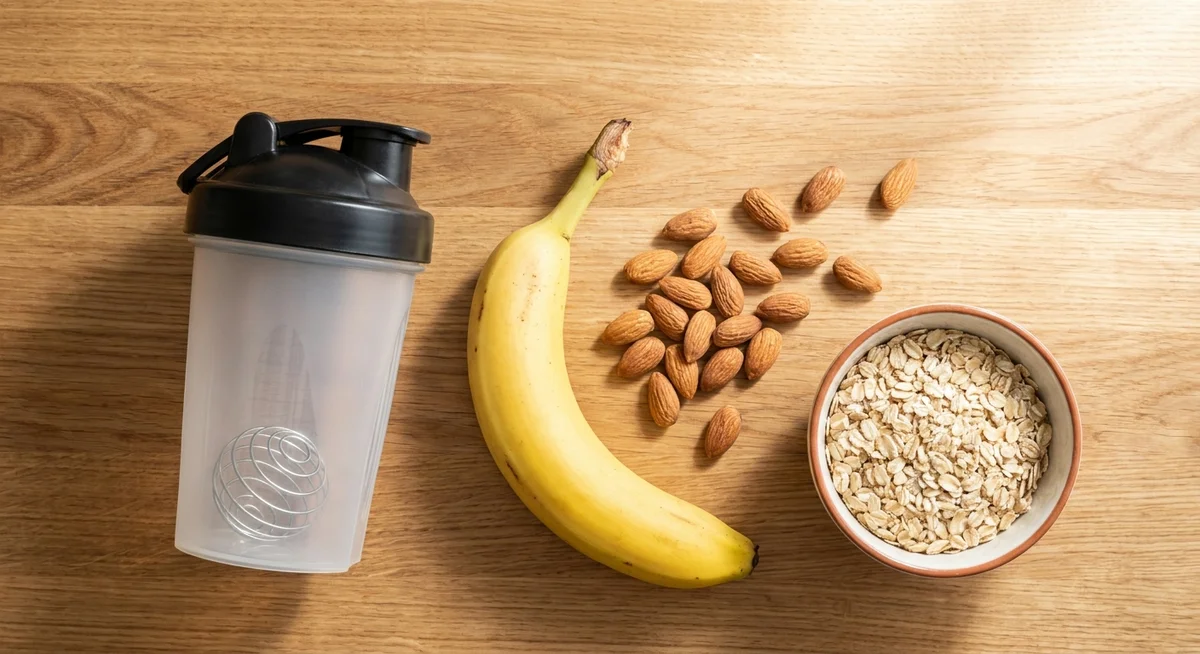
A scoop of WPI 90 blended with water or milk takes about 30 seconds to make and delivers 25-27 g of protein with very little fat or carbs. It's no surprise people start wondering whether they can skip breakfast or lunch and just have that instead. Sometimes the answer is yes, sometimes it's a shortcut that quietly works against you, and the difference comes down to what you're actually trying to achieve.
Key takeaways
- WPI 90 covers protein well but leaves gaps in fibre, healthy fats, micronutrients and total calories.
- Swapping one meal occasionally is fine. Doing it consistently as a weight-loss tactic tends to backfire.
- A "protein-anchored meal" approach, where WPI 90 is the protein base and you build around it, gets you the best of both worlds.
- Timing and context matter more than whether you use a shaker or a plate.
What does WPI 90 actually give you in one serve?
Before deciding whether a shake can stand in for a meal, it helps to know exactly what you're working with. A standard 30-35 g serve of a quality WPI 90 typically looks like this:
| Nutrient | Typical WPI 90 serve (30 g) | What a balanced meal provides |
|---|---|---|
| Protein | 25-27 g | 20-35 g (varies by food) |
| Carbohydrates | 1-3 g | 30-60 g from whole grains, veg |
| Fat | 0.5-2 g | 10-20 g from quality sources |
| Fibre | 0 g | 5-10 g from veg, legumes, grains |
| Calories | 110-120 kcal | 400-700 kcal |
| Micronutrients | Minimal (trace calcium) | Wide range depending on foods |
The protein number is genuinely strong. Everything else is basically absent. That's by design: WPI 90 is filtered specifically to maximise protein and strip away the extras. That purity is a feature for supplementation. As a standalone meal, it leaves a lot on the table.
When does replacing a meal with WPI 90 actually make sense?
There are real situations where a shake-as-meal is a reasonable call. These are not ideal scenarios, but they're practical ones.
- You have zero time and the alternative is skipping protein entirely. A shake beats nothing. If your morning would otherwise be a coffee and a biscuit, a WPI 90 shake with milk is a meaningful upgrade.
- Post-workout when appetite is suppressed. Hard training often kills hunger for an hour or two. A shake keeps your protein synthesis window open without forcing food when your body isn't ready for it.
- You're travelling or have no food access. Sachets or a small tub are portable. In a hotel with no kitchen, a shake with some fruit you grabbed at the airport is a decent bridge.
- One meal per day, not three. Occasionally substituting breakfast or a light lunch is very different from replacing multiple meals consistently.

When is it a shortcut too far?
The "meal replacement" idea can go sideways fast, especially if the goal is fat loss. Here's why.
Eating 110 calories instead of 500-600 sounds great until you account for what the calorie gap costs you. Fibre from vegetables and wholegrains keeps you full and feeds your gut bacteria. Healthy fats from avocado, nuts, eggs, and oily fish support hormone production, brain function, and fat-soluble vitamin absorption. Micronutrients like magnesium, zinc, potassium, and B vitamins come almost entirely from whole foods. WPI 90 delivers none of these in meaningful amounts.
When people cut too aggressively by leaning on shakes for multiple meals, a few things tend to happen:
- Hunger catches up hard in the evenings, leading to overeating or poor food choices
- Energy and training performance drop within a week or two
- Micronutrient deficiencies build slowly, showing up as mood changes, poor recovery, or disrupted sleep
- Muscle retention suffers if overall calories are too low for too long
The better approach: build meals around WPI 90
Instead of swapping a meal for a shake, try using WPI 90 as the protein anchor of a real meal. This keeps the convenience while filling the gaps.
Shake-only (less ideal)
- WPI 90 in water
- ~110 kcal total
- No fibre, fats, or micronutrients
- Hunger returns quickly
- Easy to prepare but leaves gaps
Protein-anchored meal (better)
- WPI 90 blended with oats, banana, nut butter, milk
- ~450-500 kcal total
- Fibre from oats and fruit, fats from nut butter
- Sustained energy for 3-4 hours
- Takes 3 minutes to make
You can do the same thing with savoury meals: stir WPI 90 into scrambled eggs or add an unflavoured scoop to a smoothie bowl loaded with seeds, berries, and Greek yoghurt. The protein content of WPI 90 genuinely helps; the key is making sure it's working alongside real food rather than replacing it.
If you're already thinking carefully about how WPI 90 fits alongside real food to hit your protein targets, you're already on the right track. The shake fills the gap that whole foods can't always cover, not the whole plate.
What about dedicated meal replacement products?
It's worth drawing a clear line here. Products marketed as "meal replacements" are formulated to include fibre, fats, vitamins, and minerals specifically because they're designed to stand in for a meal. WPI 90 is not that. It's optimised for one job: deliver a high concentration of fast-absorbing, complete protein with minimal everything else.
If you genuinely need a meal replacement regularly, a purpose-built product with a full macro and micronutrient profile will serve you better. But for most people hitting the gym a few times a week and eating reasonably, a quality WPI 90 alongside balanced meals is the smarter and cheaper path. Understanding whether WPI 90 is actually worth the cost per serve helps you figure out where it fits in your budget too.
FAQ
Can I have a WPI 90 shake instead of breakfast every day?
You can, but it's not ideal long-term. A shake alone leaves you short on fibre, healthy fats, and many micronutrients you'd normally get from breakfast foods. If time is the issue, blend your shake with oats, milk, and fruit, making it a quick but genuinely complete meal rather than a bare scoop in water.
Will replacing meals with WPI 90 help me lose weight faster?
Possibly in the short term, but the calorie cut is often too aggressive to sustain. Low energy, intense hunger, and poor recovery tend to follow. A moderate calorie deficit built around whole foods, with WPI 90 covering your protein target, is more effective and much easier to stick to for more than a few weeks.
Does WPI 90 keep you full like a real meal does?
Protein is the most satiating macronutrient, so a shake does help with hunger more than a low-protein snack would. But it won't match a meal that includes fibre and fat. Blending your WPI 90 with whole-food ingredients, rather than just water, makes a significant difference to how long you stay satisfied.
How many shakes a day is too many?
Most people do well with one to two serves per day. Beyond that, you're displacing whole foods that carry nutrients a shake simply can't replicate. Three or more shakes daily as meal substitutes is where deficiencies tend to appear. Use shakes to supplement what food doesn't cover, not to replace food wholesale.
Why protein quality is the starting pointLearn what goes into a WPI 90 worth building your nutrition around.