The Quiet Maths of a Better Scoop: How WPI 90 Earns Its Spot in the Daily Routine
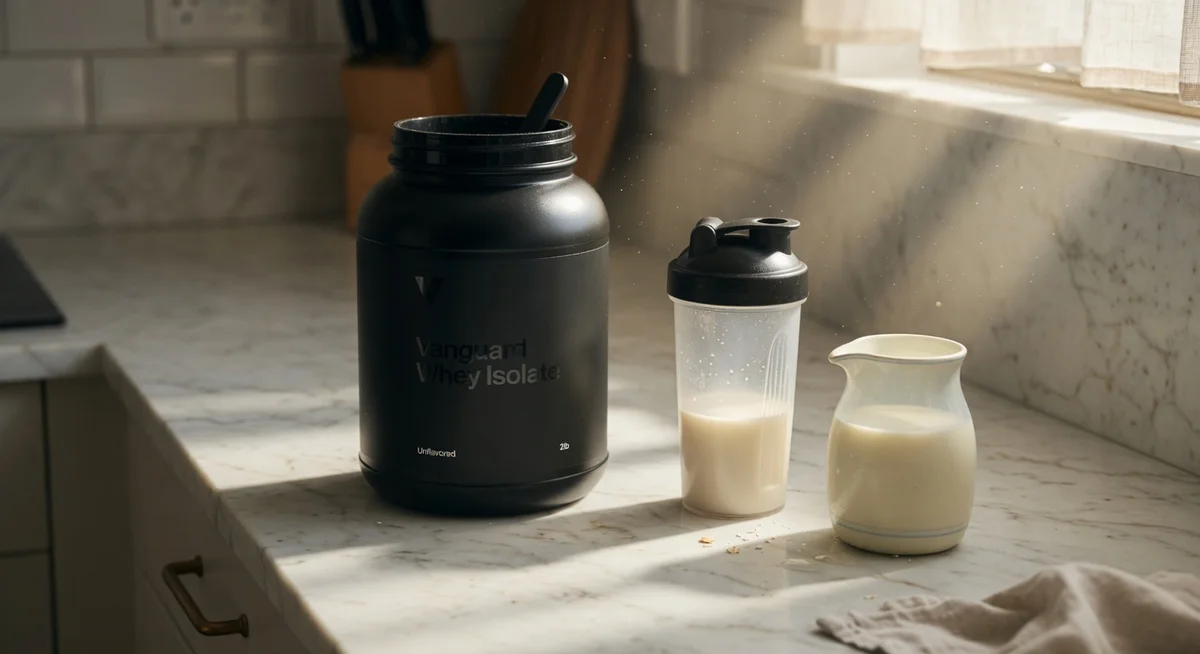
There is a strange moment that happens to almost everyone who starts paying attention to what they eat. One day a protein shake is just a protein shake, and the next day the back of the tub suddenly reads like a chemistry exam. Concentrate, isolate, hydrolysate, instantised, cross-flow microfiltered, ion exchanged. It is a lot of words for what is essentially powdered milk filtered to within an inch of its life.
But here is the thing. Those words actually mean something, and the differences between them show up in the way a shake mixes, the way it sits in the stomach, and the way it fits into a day of training, working, and trying to eat well without overthinking every meal. WPI 90, short for Whey Protein Isolate at around 90 percent protein content, sits near the top of that ladder. Understanding why takes a quick trip back to where it all begins.
Where Whey Actually Comes From
Whey is not invented in a lab. It is the watery liquid left behind when milk is separated to make cheese. For most of human history this stuff was treated as a by-product, sometimes fed to pigs, sometimes poured away. Then someone worked out it was packed with high-quality protein, and the entire supplement industry quietly rearranged itself around the discovery.
Cow's milk is roughly 80 percent casein and 20 percent whey by protein content. When enzymes or acid are added to milk during cheesemaking, the casein curdles into solid lumps and the whey drains off as a thin, pale yellow liquid. That liquid is loaded with protein, lactose, minerals, and a small amount of fat. From there, it heads into a series of filtration and drying steps that decide what kind of powder it eventually becomes.
The Concentrate, Isolate, Hydrolysate Family
The three main forms of whey protein are essentially the same starting material at different stages of refinement.
- Whey Protein Concentrate (WPC): The least processed of the three. Usually sits between 35 and 80 percent protein, with more lactose, fat, and carbs along for the ride. Cheaper to produce and still perfectly useful for most people.
- Whey Protein Isolate (WPI): Filtered further to strip away most of the lactose, fat, and carbs. Typically lands at 90 percent protein or higher by dry weight. Cleaner profile, faster mixing, gentler on sensitive stomachs.
- Whey Protein Hydrolysate (WPH): Isolate that has been pre-broken down with enzymes so the body absorbs it faster. Often more expensive, sometimes a bit bitter, and usually reserved for specific clinical or athletic uses.
WPI 90 sits in the middle of that lineup but punches well above its weight in terms of versatility. It is clean enough for daily use, affordable enough not to feel ridiculous, and gentle enough that lactose-sensitive folks can usually tolerate it without drama.
How WPI 90 Actually Gets Made
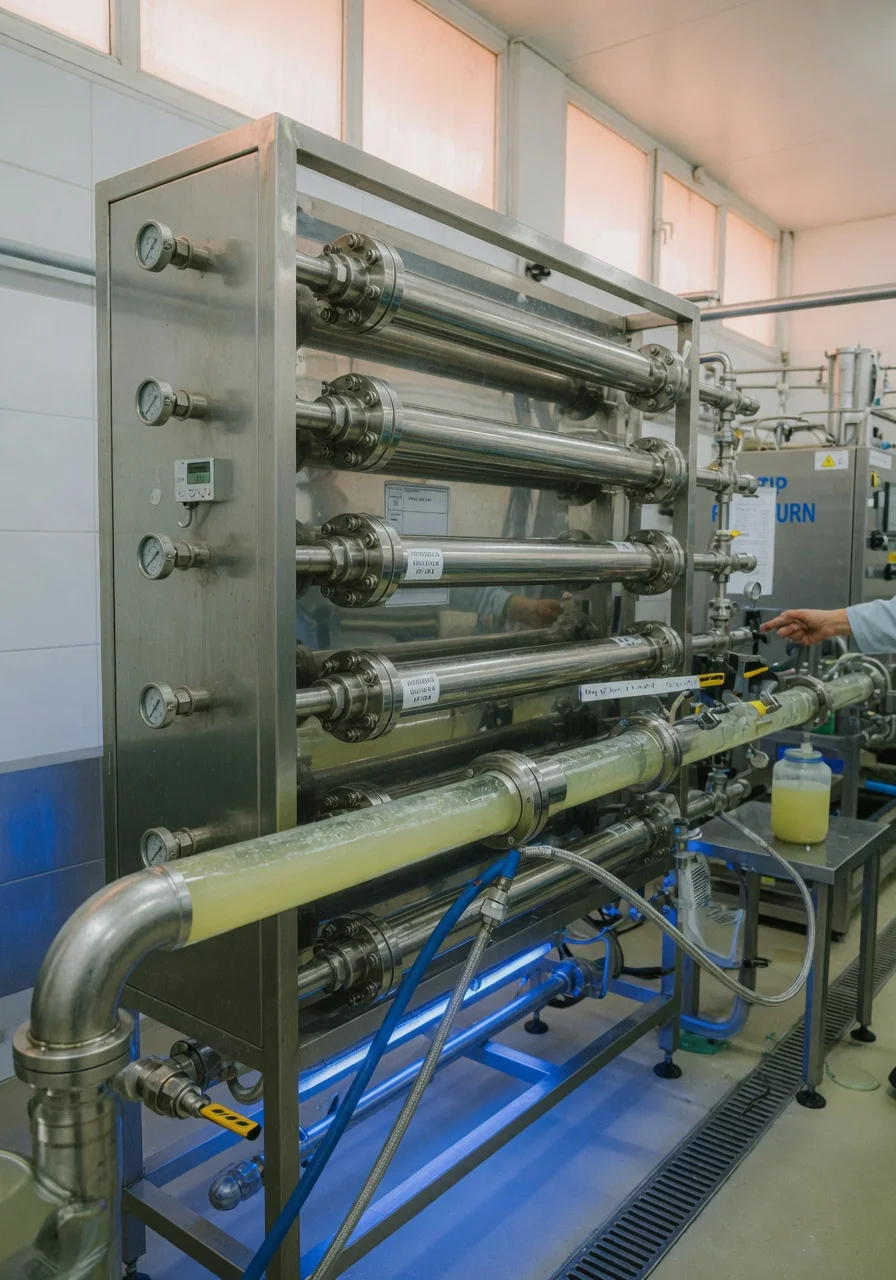
The journey from a tank of raw whey to a tub of fine powder involves a surprising amount of engineering. The two main paths used by reputable manufacturers are cross-flow microfiltration and ion exchange, and they produce noticeably different end products.
Cross-Flow Microfiltration
This is the gentler of the two methods, and the one most premium brands lean towards. The whey is pushed across a series of ceramic membranes with microscopic pores. The pores are small enough to let lactose, water, and minerals slip through, but large enough to trap the protein molecules. No harsh chemicals are involved. The temperature stays low, which is important because heat denatures protein and damages the delicate immune-supporting fractions like lactoferrin and immunoglobulins.
The result is a protein powder that keeps its bioactive compounds intact, mixes smoothly, and tastes noticeably less harsh than its more aggressively processed cousins.
Ion Exchange
The ion exchange method uses chemical reactions to separate protein based on electrical charge. It can produce a slightly higher protein percentage on paper, but the trade-off is the loss of some of those beneficial protein fractions. The powder can also taste a bit flatter. For sheer protein numbers it does the job, but for overall quality most premium producers prefer the microfiltration route.
Drying and Finishing
Once the liquid has been concentrated down to mostly protein, it gets spray-dried into a fine powder. The liquid is sprayed through fine nozzles into a heated chamber, and the water evaporates almost instantly, leaving behind tiny dry particles. Some powders are then instantised by being lightly rehydrated with lecithin and re-dried, which is why a good WPI 90 dissolves in a shaker bottle instead of clumping like flour in cold water.
Why Quality Actually Matters
It is easy to look at two tubs of whey isolate, see the same protein number on the label, and assume they are interchangeable. They are not. The quality of the source milk, the gentleness of the filtration, and the integrity of the finished powder all shape what ends up in the scoop.
A protein powder is only as good as the milk it started from and the care taken between the cow and the tub.
Some of the differences that separate a genuinely premium WPI 90 from a budget version include:
- Source of the milk. Grass-fed, pasture-raised dairy tends to have a better fatty acid profile and a richer micronutrient content. The flavour of the finished powder is often cleaner too.
- Processing temperature. Low-temperature filtration preserves the bioactive proteins. High-heat processing destroys them, even if the protein percentage stays the same.
- Lack of fillers. Cheaper powders often pad out the tub with maltodextrin, skim milk powder, or amino acid spiking (adding cheap free-form amino acids to make the protein test look higher than it really is). A clean WPI 90 should read like a short ingredient list, not a chemistry textbook.
- Solubility and mouthfeel. A well-made isolate mixes in seconds, has minimal foam, and does not leave a chalky aftertaste. These are signs of careful processing, not luck.

The Benefits That Actually Hold Up
Whey protein has been studied more than almost any other supplement on the market, which is unusual in an industry that runs on hype. The benefits that consistently show up in the research are worth knowing about.
Muscle Repair and Growth
Whey is rich in branched-chain amino acids, particularly leucine, which is the amino acid most strongly linked to triggering muscle protein synthesis. After resistance training, the body is primed to use those amino acids to repair and build muscle tissue, and whey delivers them quickly.
Appetite and Body Composition
Protein is the most satiating of the macronutrients, meaning it keeps hunger at bay for longer per calorie than carbs or fat. People who hit their protein targets tend to find weight management easier, not because protein is magical but because they are less likely to snack mindlessly an hour after lunch.
Immune and Recovery Support
The bioactive fractions in minimally processed whey, like lactoferrin and immunoglobulins, support immune function and recovery. This is one of the quieter benefits but also one of the reasons low-temperature filtration matters so much. Wreck the proteins with heat and the benefits go with them.
Gentle on Sensitive Stomachs
Because WPI 90 has had most of the lactose stripped out during filtration, people who get bloated or sluggish from concentrate often find isolate sits much better. It is not technically lactose-free, but the residual amount is usually low enough to fly under the radar for the majority of mildly lactose-intolerant folks.
Where It Fits in a Real Daily Routine
WPI 90 is not a magic powder. It is a convenient, clean way to top up daily protein intake without having to cook another meal or chew through another chicken breast. Most adults aiming for body composition or athletic goals do well on somewhere between 1.6 and 2.2 grams of protein per kilo of body weight per day, and hitting that number purely from whole foods is harder than it sounds.
A scoop in the morning, a scoop after a session, or a scoop blended into oats or yoghurt can quietly fill the gap. The casual, no-fuss nature of it is part of the point. Premium whey isolate is at its best when it disappears into the routine and just does the job.
A Few Practical Pointers
- Mix with cold water or milk in a shaker for the smoothest result. Hot liquids can cause clumping.
- Pair the shake with a piece of fruit or a handful of oats if it is replacing a meal rather than topping up after training.
- Store the tub somewhere cool and dry. Heat and humidity can shorten its shelf life and affect the texture.
- Look at the ingredient list, not just the front of the tub. Short and simple is almost always a good sign.
The Bottom Line
Whey protein isolate at 90 percent is not the loudest or flashiest product on the shelf, and that is precisely why it has stuck around. It is the result of a quietly clever filtration process, a careful approach to milk sourcing, and an industry that has slowly learned that less is often more. The best versions taste clean, mix in seconds, sit well in the stomach, and deliver on the one job that protein powder is actually meant to do.