The Protein Pyramid: Where Whey Concentrate, Isolate, and WPI 90 Actually Land
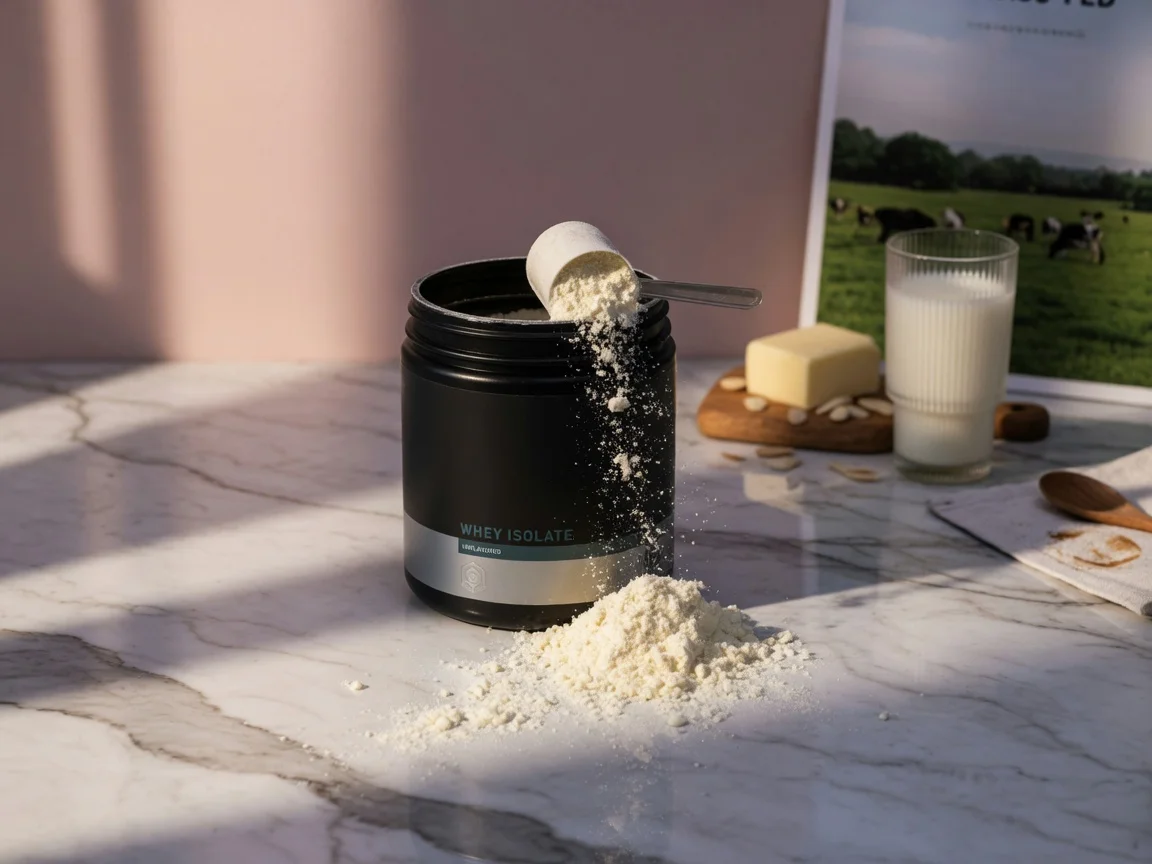
Walk into any supplement store, scroll any fitness feed, or peek into any gym bag, and whey protein is everywhere. It's become the default macro for anyone chasing muscle, recovery, or just a bit more protein on a busy day. But here's the thing most tubs don't bother explaining: not all whey is created equal. There's a whole pyramid of quality sitting behind that label, and the differences between concentrate, isolate, and a premium isolate like WPI 90 actually matter once the powder hits the shaker.
This is a plain-spoken look at how whey is made, what separates the tiers, and why the quality of the source material ends up shaping everything from texture to digestion to how the body actually uses the stuff.
Whey, In Case Anyone Forgot Where It Came From
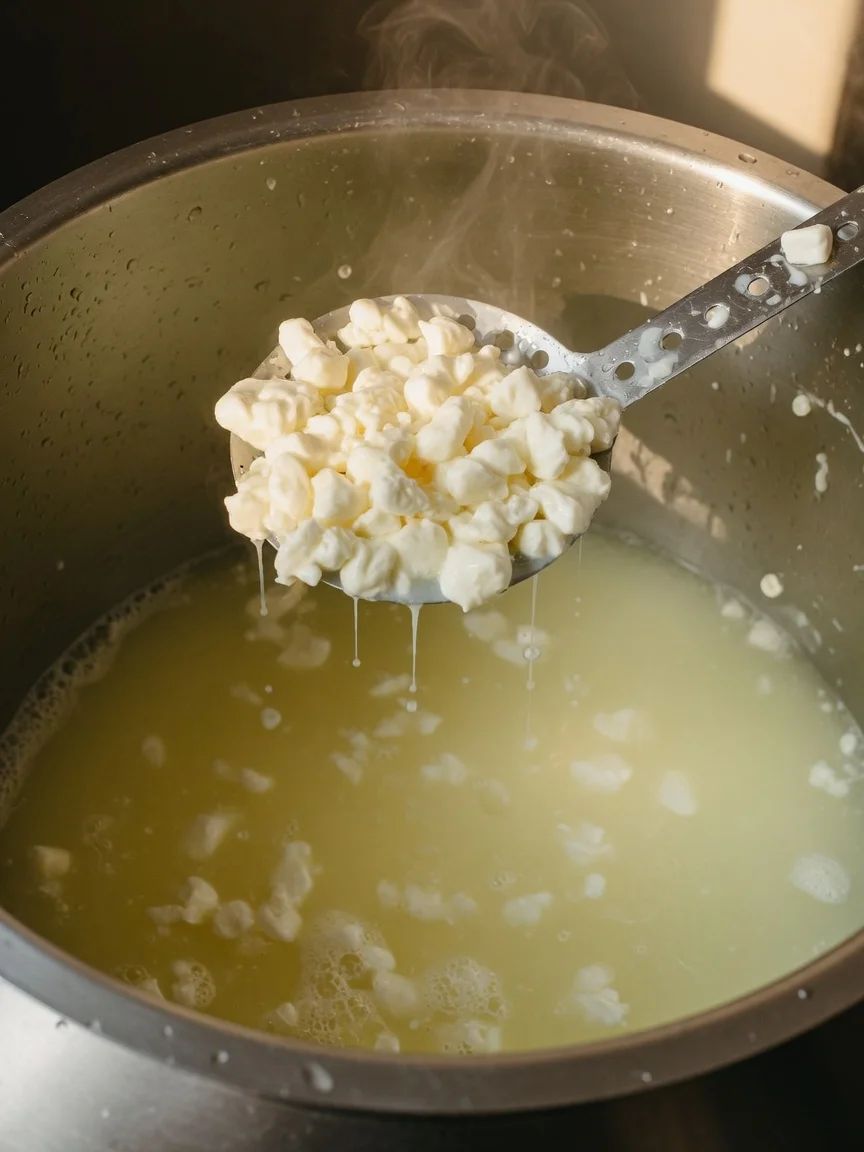
Whey starts its life as a byproduct of cheese-making. When milk is curdled, it splits into two parts: the thick, solid curds (which go on to become cheese) and the thin, watery liquid left behind. That liquid is whey. For most of dairy history, it was treated as a waste product, poured off and forgotten about. Then someone figured out it was loaded with high-quality protein, and the entire sports nutrition industry was basically born.
Liquid whey, in its raw form, is mostly water. It contains a small percentage of protein, some lactose (milk sugar), a bit of fat, and various minerals. To turn it into the fine, scoopable powder sitting in a tub, it has to go through a serious manufacturing journey involving filtration, separation, and drying. How that journey is handled is what determines whether the end product is a basic concentrate or a premium isolate.
The Three Main Tiers: Concentrate, Isolate, and Hydrolysate
Once liquid whey is collected, it's filtered to remove most of the water. What's left can be processed into one of three main forms, each sitting at a different rung on the quality ladder.
Whey Protein Concentrate (WPC)
This is the most basic and most common form. Concentrate typically lands somewhere between 30% and 80% protein by weight, with the rest being lactose, fat, and moisture. Cheaper concentrates sit around 35% protein and are mostly used in things like protein bars, baked goods, and budget powders. Higher-end concentrates push closer to 80%, but they still carry a noticeable amount of lactose and fat.
Concentrate isn't bad, it's just less refined. For people with sensitive stomachs or specific physique goals, those extra carbs and fats can be a bit of a drag.
Whey Protein Isolate (WPI)
Isolate is concentrate that's been put through additional filtration to strip out most of the lactose, fat, and other non-protein content. The result is a powder that's typically 90% or more protein by weight. Less lactose means easier digestion for a lot of people. Less fat means a leaner macro profile per scoop. This is where WPI 90 sits, and it's the tier most quality-focused brands aim for.
Whey Protein Hydrolysate (WPH)
Hydrolysate is whey that's been partially "pre-digested" using enzymes, breaking the protein down into smaller peptide chains. It absorbs slightly faster and is sometimes used in medical nutrition or infant formulas. The trade-off is that it tends to taste pretty rough (bitter, often) and costs noticeably more. For most everyday users, the gains over a quality isolate are marginal.
How WPI 90 Actually Gets Made
The "90" in WPI 90 refers to the protein content: roughly 90% protein per 100g of powder on a dry basis. Getting to that number isn't a casual process. It involves a few specific filtration techniques, and the method used has a real effect on the final quality.
Microfiltration and Ultrafiltration
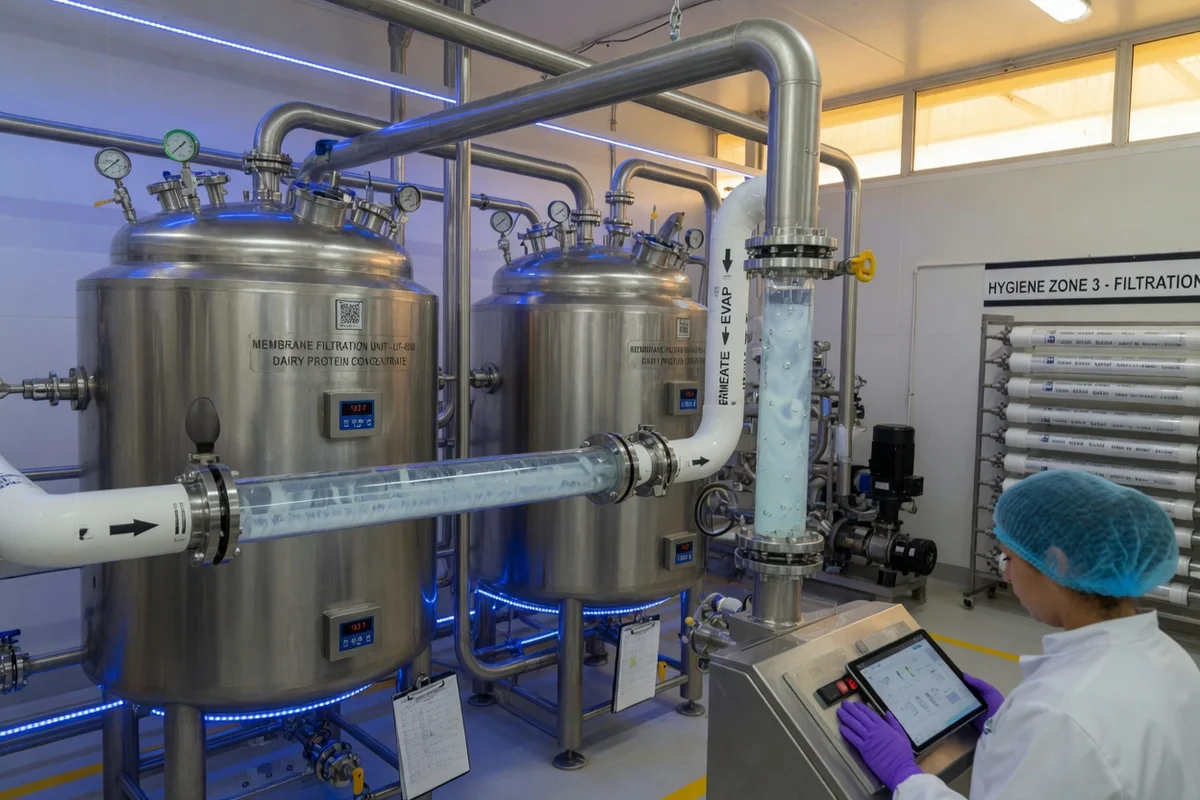
These are the gentle workhorses of premium isolate production. Liquid whey is pushed through extremely fine membrane filters that separate molecules by size. Protein molecules are large, so they're held back, while lactose, minerals, and water pass through. The process happens at low temperatures, which is important because it means the protein structures stay intact. Heat can denature protein, twisting its shape and reducing the integrity of the amino acids inside.
Cross-Flow Microfiltration (CFM)
This is a step up. Cross-flow microfiltration uses ceramic membranes and a sideways flow of liquid to clean the filter constantly as it works. The result is a higher-purity isolate with very low fat, very low lactose, and a beautifully preserved amino acid profile. It's slower, more expensive, and noticeably gentler on the protein than older methods.
Ion Exchange
The older method, ion exchange uses chemical reactions to separate protein based on electrical charge. It produces a very high protein number on paper, but it can damage some of the more delicate immunoglobulins and bioactive peptides that make whey nutritionally interesting in the first place. Modern premium brands tend to lean away from ion exchange for this reason.
After filtration, the concentrated protein liquid is spray-dried into the fine powder that ends up in the tub. Done properly, this whole process delivers a product that's clean, mixable, and easy on the stomach.
Why Anyone Should Care About the Differences
It's tempting to look at two tubs of protein, see "whey" on both, and assume the cheaper one is just a smarter buy. The reality is that the gap between a budget concentrate and a properly made WPI 90 shows up in several practical ways.
Protein per Scoop, Honestly
A 30g scoop of basic concentrate might deliver around 18-22g of actual protein. A 30g scoop of WPI 90 delivers closer to 25-27g, with significantly less of the leftover carbs and fats. For anyone tracking macros or trying to hit a daily protein target without piling on extra calories, that difference adds up quickly across a week.
Digestibility
Lactose is the big one here. Concentrate can contain 4-8g of lactose per serve, which is enough to cause bloating, gas, or general discomfort for a lot of people, even those who don't consider themselves lactose-intolerant. A properly filtered WPI 90 sits at well under 1g of lactose per serve, which is why it's the go-to for sensitive stomachs.
Amino Acid Quality
Whey is naturally rich in branched-chain amino acids (BCAAs), particularly leucine, which is the amino acid most strongly linked to triggering muscle protein synthesis. A high-quality WPI 90, processed gently, preserves the full amino acid profile. Cheaper or heat-damaged whey can lose some of that bioavailability along the way.
Taste and Mix
This one's underrated. Premium isolate mixes cleanly, doesn't clump, and tends to have a lighter, less chalky texture than concentrate. It doesn't leave a film on the shaker or a heavy feeling in the gut. Once someone's used to a properly made WPI 90, going back to a gritty concentrate feels like a downgrade in every way.
The Quality Question: Why the Source Matters
The processing method matters, but so does the milk itself. Whey is a reflection of the dairy it came from, and there are real differences between sources.
- Grass-fed dairy: Cows raised on pasture produce milk with a slightly different fatty acid profile and often a richer micronutrient content. Even though most of the fat is stripped out during isolation, grass-fed sourcing is generally seen as a marker of better farming practices.
- Hormone-free standards: Some regions, particularly Australia and New Zealand, ban the use of growth hormones in dairy cattle. That's a quiet but meaningful quality marker that doesn't always get advertised loudly.
- Freshness and handling: Whey that's processed quickly after cheese-making, kept cool, and handled gently retains more of its native protein integrity. Whey that sits around or gets shipped halfway across the world before processing tends to suffer.
None of this shows up on a basic nutrition panel, which is why a lot of buyers never think about it. But it's the kind of detail that separates a tub that just looks premium from one that actually is.
Reading a Label Like Someone Who Knows What They're Doing
For anyone trying to figure out where a powder actually sits on the quality ladder, the label tells most of the story. A few quick checks:
- Protein percentage: Divide grams of protein by serving size. Anything around 90% is a true isolate. Anything around 70-80% is concentrate dressed up.
- Ingredient list length: Premium isolates tend to have short, clean lists. Long lists with multiple protein sources (often called "protein blends") usually mean cheaper concentrate is doing most of the heavy lifting.
- Lactose and sugar content: Low numbers here suggest proper filtration. High numbers suggest a concentrate base.
- Processing language: Words like "cross-flow microfiltered" or "cold-processed" point to gentler methods. Vague language usually means whatever was cheapest at the time.
The Bottom Line on the Whey Ladder
Whey protein has become so common that it's easy to forget how much variation exists under the surface. Concentrate is fine for casual use and cooking. Hydrolysate is niche and expensive. Isolate, specifically a properly made WPI 90, sits in the sweet spot for most people who actually care about what they