The Protein Purity Equation: Why WPI 90 Isn't Just Another Tub on the Shelf
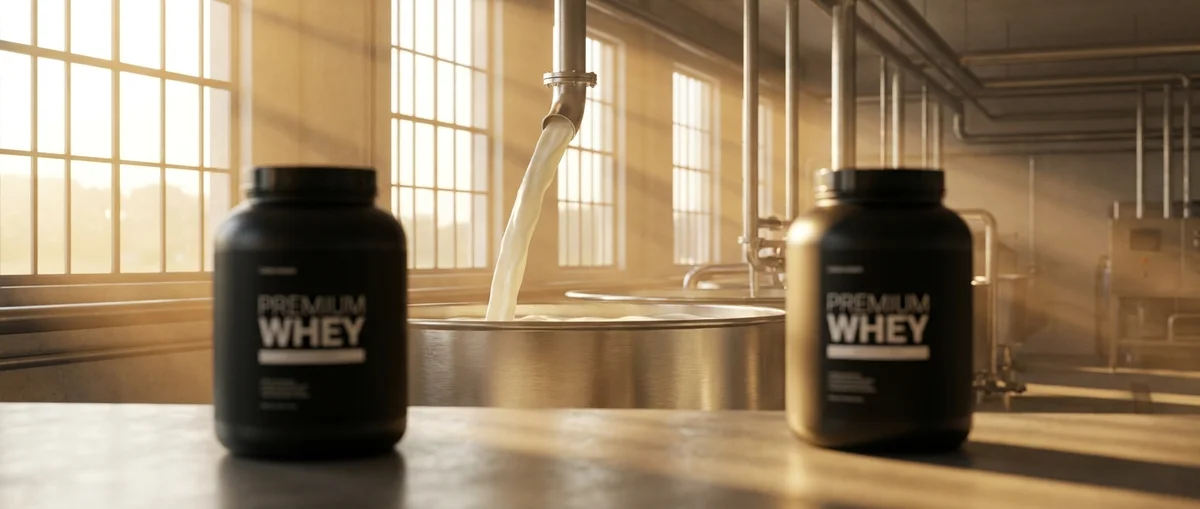
Walk into any supplement shop or scroll through any fitness retailer online and the protein aisle looks like a colourful blur of buckets, tubs, and pouches all shouting roughly the same thing. Big claims, bigger scoops, and a lot of fine print most people never read. But behind all the marketing noise, there are real differences between whey proteins, and those differences come down to how the powder was made, what it was made from, and how much of the actual protein ended up in the final product.
That last point is where things get interesting. A scoop of one brand might deliver wildly different nutrition than a scoop of another, even if the labels look almost identical at a glance. Understanding why is the difference between paying for protein and paying for filler dressed up to look like protein.
What Whey Protein Actually Is
Whey is one of the two proteins found in milk, the other being casein. When milk gets turned into cheese, it separates into curds (the solid bits that become cheese) and whey (the watery liquid that gets drained off). For a long time, that liquid whey was treated as a byproduct. Farmers fed it to pigs. Some of it got dumped. It took a while before food scientists realised the leftover stuff was actually loaded with high-quality, fast-absorbing protein packed with essential amino acids.
Fast forward to today and whey is one of the most studied protein sources on the planet. It contains all nine essential amino acids, it's rich in branched-chain amino acids (BCAAs) like leucine, and the body absorbs it quickly. That makes it especially useful after a workout, but also handy for anyone trying to hit higher protein targets without forcing down another chicken breast.
The catch? Raw liquid whey is mostly water. To turn it into a usable powder, it has to go through processing, and that's where the different "types" of whey protein come from.
From Milk Tank to Mixing Shaker: How Whey Is Made
The journey from cow to canister is more interesting than most people realise. Here's a simplified version of how it usually goes:
- Milk collection. Fresh milk from dairy farms gets transported to a processing facility, typically chilled the whole way.
- Cheese making (or acid separation). Enzymes or acids are added to the milk to separate the curds from the whey. The liquid whey is collected.
- Pasteurisation. The liquid whey is gently heated to kill off any unwanted bacteria.
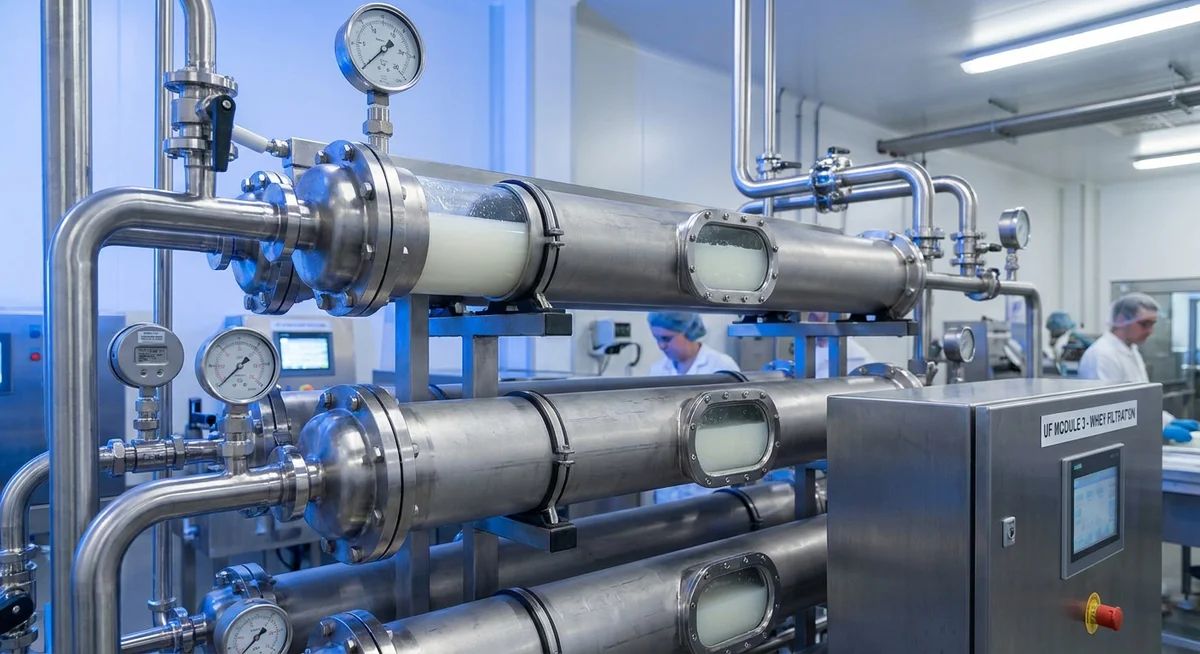
- Filtration. This is the big one. The whey is pushed through ultra-fine membranes that filter out lactose, fat, and other components, leaving more concentrated protein behind.
- Drying. The concentrated liquid is spray-dried into a fine powder.
- Blending and packing. The powder gets flavoured, tested, and packaged.
The step that really determines what kind of whey you end up with is filtration. The more aggressive and refined the filtration, the purer the final protein. And that brings us to the alphabet soup most people get lost in.
WPC, WPI, WPH: What's the Actual Difference?
There are three main forms of whey protein on the market, and they're not interchangeable.
Whey Protein Concentrate (WPC)
This is the most common and usually the cheapest. WPC typically ranges from around 30% to 80% protein by weight, with the rest being lactose (milk sugar), fat, and moisture. A WPC 80, for example, is 80% protein, which sounds great until you realise that means 20% of every scoop is something other than protein. For people with lactose sensitivity, WPC can cause bloating, gas, and general digestive grumpiness.
Whey Protein Isolate (WPI)
Isolate goes through extra filtration to strip out more of the fat and lactose, pushing the protein content up to 90% or higher. This is where WPI 90 sits. It's leaner, lower in lactose, and easier on the stomach for most people. It also tends to mix more cleanly and has a lighter texture.
Whey Protein Hydrolysate (WPH)
Hydrolysate is whey protein that's been partially "pre-digested" using enzymes, breaking the protein down into smaller peptides for faster absorption. It's often used in medical nutrition and infant formulas. The downside? It tastes pretty bitter and costs a lot more.
For most people chasing performance, recovery, or just a clean way to boost daily protein intake, isolate hits the sweet spot. And specifically, a true 90% isolate sits at the higher end of what's commercially available.
Why That "90" Number Actually Matters
Numbers on a label can feel abstract, so it's worth breaking down what 90% protein actually means in practice.
If a 30g scoop of WPC 80 is 80% protein, that's 24g of protein per scoop, with the remaining 6g made up of lactose, fat, and incidentals. A 30g scoop of WPI 90 delivers around 27g of protein, with significantly less lactose and fat. That might not sound like a huge difference on paper, but it adds up over weeks and months. Less lactose means less digestive discomfort. Less fat means a cleaner macro profile. More protein per scoop means better value for the calories.
The higher the protein percentage, the harder the filtration had to work, and the more refined the end product is. That's not marketing speak. That's just how the manufacturing process works.
There's also the amino acid angle. A higher purity isolate generally preserves the full amino acid profile while removing the bits people don't want. That matters because the body uses those amino acids for everything from muscle repair to immune function to making neurotransmitters.
The Benefits People Actually Notice
Plenty of articles list off the textbook benefits of whey protein. Here's what tends to make a real-world difference when someone switches from a mid-tier concentrate to a high-purity isolate like WPI 90:
- Easier digestion. Lower lactose content means less bloating, gas, and general "ugh" after a shake.
- Faster recovery. Whey is absorbed quickly, which is useful in the window after training when muscles are primed to soak up amino acids.
- Better satiety. Protein keeps people fuller for longer, which is genuinely helpful for anyone managing appetite or trying to lean out.
- Cleaner macros. More protein per gram with less fat and sugar means the powder fits into almost any nutrition plan, from cutting to maintenance to gaining.
- Versatility. Isolate mixes smoothly into water, milk, oats, yoghurt, and baking, without the chalky aftertaste that lower-grade powders sometimes carry.
- Immune support. Whey naturally contains immunoglobulins and other bioactive compounds that contribute to overall wellness, not just muscle.
None of this is magic. Protein powder isn't a shortcut to results. But getting more high-quality protein into the day, in a form the body can actually use, makes a real difference for energy, performance, and how someone feels in general.
Why Quality Behind the Powder Matters More Than the Label
Here's the uncomfortable truth about the protein industry: not all "isolates" are created equal. The term is sometimes used loosely, and there have been cases where products labelled as premium were padded with cheaper ingredients, free-form amino acids, or fillers designed to game the way protein gets measured on a nutrition panel. It's a practice known as amino spiking, and it's exactly as sketchy as it sounds.
That's why the source and the process matter so much. A genuinely premium WPI 90 starts with quality milk from well-managed dairy herds, goes through proper ultrafiltration or microfiltration (no harsh chemical processing), and ends up tested for actual protein content rather than just total nitrogen.
A few things worth paying attention to when comparing products:
- Where the milk comes from. Grass-fed, pasture-raised dairy from countries with strict farming standards (Australia, New Zealand, parts of Europe) tends to produce better quality whey.
- How the protein is filtered. Cold-processed cross-flow microfiltration preserves more of the natural protein structure than older heat-based methods.
- What's actually on the ingredients list. A clean isolate shouldn't need a long list of fillers, gums, and artificial junk to do its job.
- Third-party testing. Independent lab verification is the only way to know what's really in the tub.
The reason quality matters isn't just about getting the most protein per dollar. It's about what's not in the powder. Less lactose means easier digestion. Less fat means cleaner macros. No spiking means the protein content on the label is the protein content actually getting absorbed and used.
Bringing It All Together
Whey protein has come a long way from being a discarded cheese byproduct. Modern filtration has made it possible to deliver an extremely pure, fast-absorbing, highly bioavailable form of protein that genuinely supports training, recovery, and everyday wellness. But the gap between a low-grade concentrate and a premium 90% isolate is bigger than most people realise, and that gap shows up in digestion, results, and how the body actually feels using the product day after day.
For anyone serious about their nutrition, whether that's chasing a strength goal, supporting a busy active life,