The Protein Pecking Order: Where WPI 90 Lands Among Whey Concentrate, Isolate, and Hydrolysate

Walk down the supplement aisle and the word "whey" pops up on just about every second tub. It sounds simple enough, but behind that one little word sits an entire spectrum of products that vary wildly in quality, purity, and what they actually do once they hit the bloodstream. Whey concentrate, whey isolate, hydrolysate, blends, native, grass-fed, cold-processed. The labels stack up fast.
For anyone trying to figure out where WPI 90 actually fits in all this, the short answer is: near the top. The longer answer involves milk, microscopic filters, and a surprising amount of food science. Here's how it all breaks down.
Where Whey Even Comes From
Whey isn't some lab-born invention. It's a byproduct of cheesemaking, which has been around for thousands of years. When milk gets curdled, it splits into two parts: the solid curds, which become cheese, and the liquid whey, which used to be considered the leftovers. Farmers fed it to pigs. Sometimes it just got tipped down the drain.
Then somewhere along the line, food scientists realized that liquid was loaded with high-quality protein. Specifically, the kind packed with all nine essential amino acids and a generous serving of branched-chain amino acids (BCAAs), which play a major role in muscle repair and recovery. Suddenly the "leftover" became one of the most studied and sought-after protein sources on the planet.
But raw liquid whey on its own is mostly water, lactose, and a small percentage of protein. To turn it into the powder that ends up in a shaker, it has to go through some serious refinement. And that's where the categories start to separate.
The Three Main Types of Whey, Explained Like a Normal Human
There are three primary forms of whey protein on the market, and each one represents a different level of processing.
Whey Protein Concentrate (WPC)
This is the entry-level option. WPC typically lands somewhere between 35% and 80% protein by weight, with the rest being lactose, fat, and minerals. It's cheaper to produce, which is why so many budget tubs lean on it. The flavour tends to be creamier because of the leftover fat and lactose, but for anyone sensitive to dairy or counting macros carefully, those extras can be a problem.
Whey Protein Isolate (WPI)
This is where things get serious. Isolate is filtered further to strip out almost all the fat and lactose, leaving a product that's usually 90% or more pure protein by weight. That's where the "90" in WPI 90 comes from. It's faster-digesting, lighter on the stomach, and significantly leaner per scoop. For people who want maximum protein with minimum filler, this is the sweet spot.
Whey Protein Hydrolysate (WPH)
Hydrolysate goes through one extra step where the protein chains are partially broken down (or "pre-digested") using enzymes. The idea is that it absorbs even faster. The downside? It tends to taste bitter, costs noticeably more, and the real-world benefits over a quality isolate are pretty marginal for most people who aren't elite athletes timing recovery windows to the minute.
How WPI 90 Actually Gets Made
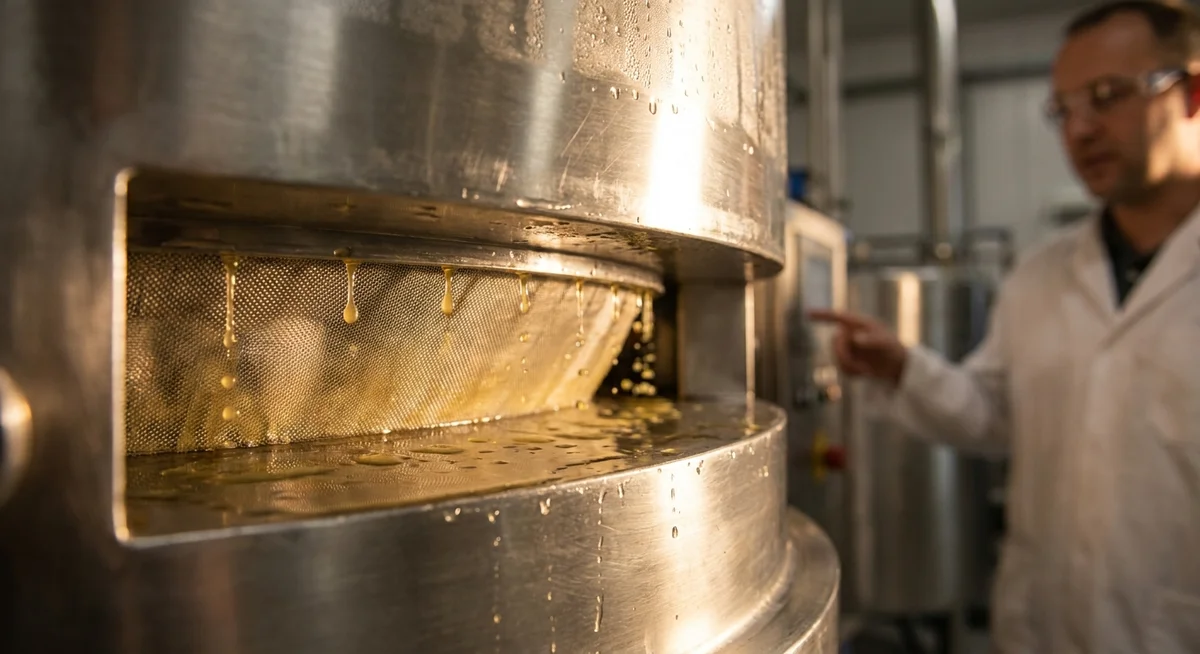
Getting from liquid whey to a 90% pure protein powder isn't a quick spin in a centrifuge. It's a multi-step process where every stage strips away more of the stuff you don't want.
- Pasteurisation: The liquid whey is gently heated to kill off any bacteria without damaging the protein structure. Quality producers keep temperatures low to preserve the bioactive compounds.
- Microfiltration or ion exchange: This is the main event. Microfiltration uses ceramic membranes with microscopic pores to physically separate the protein molecules from lactose and fat. Ion exchange uses electrical charges to do something similar. Both methods can produce high-purity isolate, but microfiltration tends to keep more of the natural bioactive peptides intact.
- Ultrafiltration: Another round of filtering through even finer membranes, further concentrating the protein.
- Drying: The concentrated liquid is then spray-dried into the fine powder that ends up in the tub. The drying temperature matters here too. Too hot and the protein can denature, losing some of its functional benefits.
The end result is a powder that's roughly 90% protein by weight, with minimal lactose, almost no fat, and a clean nutritional profile that's hard to beat.
The Real Benefits of Going With Isolate
So why bother with WPI 90 when concentrate exists and costs less? A few solid reasons.
- Higher protein per scoop. More of what you're actually buying the powder for, less of the stuff you're not.
- Lower lactose. A genuine game-changer for people with mild lactose intolerance. Many can drink WPI without any of the bloating or gut issues that come with concentrate.
- Leaner macros. Less fat and fewer carbs per serve, which matters for anyone tracking calories or cutting.
- Faster absorption. Isolate digests quickly, making it ideal for post-workout when the body's primed to use those amino acids.
- Mixes cleaner. Less foaming, less grit, smoother texture in shakes and smoothies.
None of this is to say concentrate is bad. It's a perfectly fine protein source for plenty of people. But if the goal is the highest quality protein with the cleanest profile, isolate wins.
Why Quality Sourcing Changes Everything
Here's something most labels don't shout about: two tubs both labelled "whey protein isolate" can be wildly different products. The percentage on the front is just one piece of the story. The real differences come down to:
The Source of the Milk
Cows raised on pasture in clean environments produce milk with a better fatty acid profile and higher levels of beneficial compounds like CLA and omega-3s. Even though most of the fat is filtered out during isolate production, starting with better raw material flows through to the final product. Grass-fed and hormone-free dairy is the gold standard.
The Processing Method
Low-temperature microfiltration preserves more of the native protein structure and the bioactive peptides like lactoferrin and immunoglobulins that contribute to whey's wellness benefits. High-heat processing or harsh chemical treatments can denature the protein, which doesn't ruin it, but it does strip away some of the functional value.
What's Actually in the Tub
Cheaper proteins often lean on cheap fillers, artificial sweeteners, gums, and amino spiking (where individual amino acids are added to inflate the protein content on lab tests without delivering the full benefits of intact protein). A premium WPI 90 should have a short ingredient list and a transparent nutritional panel.
The protein content on the front of the tub only tells part of the story. What's been done to the protein, and how clean the supporting ingredients are, often matters just as much.
Who Actually Benefits From WPI 90
The honest answer is most people who use protein powder regularly. But it especially earns its place for:
- Anyone with lactose sensitivity who's been writing off whey altogether
- People in a cutting phase who need the protein hit without the extra calories
- Athletes and lifters wanting fast post-workout absorption
- Older adults focused on maintaining muscle mass, where high-quality protein per serve becomes increasingly important
- Busy professionals using a shake as a meal supplement and wanting clean, efficient nutrition
It's also worth noting that protein needs vary. Someone training hard five days a week and someone using a daily shake for general wellness will have very different requirements. WPI 90 works across both ends of that spectrum because the protein quality stays high regardless of how much is being consumed.
The Bottom Line on the Whey Hierarchy
Whey protein isn't a single product. It's a category with real, meaningful differences between its members. Concentrate is the budget option with more leftovers from the original milk. Hydrolysate is the niche option for very specific use cases. Isolate, and specifically WPI 90, sits in the middle of that spectrum as the option that delivers the best balance of purity, performance, and practicality for the vast majority of people.
The "90" isn't just a marketing number. It represents a level of processing, filtration, and quality control that turns a liquid byproduct of cheesemaking into one of the most refined protein sources available. And when the source milk is clean, the processing is gentle, and the final product is free of unnecessary additives, the result is something genuinely worth putting in the shaker.
Knowing the difference between whey types isn't just nerdy supplement trivia. It's the difference between buying a tub because the front label looked good and buying one because the actual contents earn the price. The whey world has a pecking order, and WPI 90 has earned its spot near the top for a reason.