The Filtration Files: How Whey Protein Isolate 90 Gets Its Crystal-Clear Reputation

Whey protein has gone from a niche bodybuilder staple to a regular fixture in kitchen pantries, gym bags, and even office desk drawers. But somewhere between the explosion of brands and the wall of tubs at the supplement shop, things got confusing. WPC, WPI, WPH, hydrolysed, native, grass-fed, cold-pressed. The labels keep multiplying, and the price tags keep climbing.
So here's the deal. Not every whey protein is built the same way, and the difference between a decent scoop and a genuinely premium one comes down to how the protein is made, where it starts its journey, and how much of the good stuff actually survives the trip to the tub. This is a closer look at what whey protein really is, why WPI 90 sits at the top end of the spectrum, and why obsessing over quality is actually worth the effort.
The Origin Story: Where Whey Actually Comes From
Whey is one of those ingredients that sounds modern but has been around for thousands of years. It's the liquid that separates from milk during cheese making. When milk is curdled, the solid curds get pressed into cheese, and the watery liquid left behind is whey. For most of history, that liquid was either fed to livestock or poured away as waste.
Then someone realised this liquid was packed with high quality protein, including all nine essential amino acids and a particularly generous dose of branched chain amino acids (BCAAs) like leucine, which plays a starring role in muscle protein synthesis. From that point on, whey went from byproduct to powerhouse.
The journey from raw whey liquid to a fine, scoopable powder is where the real story starts. And it's also where the quality differences begin to emerge.
From Liquid to Powder
Raw whey is mostly water. To turn it into a usable supplement, manufacturers have to filter out the water, lactose, fat, and minerals, leaving behind concentrated protein. The method used to do that filtering is what determines whether the final product is a concentrate, an isolate, or a hydrolysate.
WPC vs WPI vs WPH: The Three Faces of Whey
Walk down the protein aisle and the acronyms can start to feel like alphabet soup. Here's a straightforward breakdown of the three main types and what actually separates them.
Whey Protein Concentrate (WPC)
WPC is the entry level whey protein. It typically contains anywhere from 30 to 80 percent protein by weight, with the remainder being lactose, fat, and some carbohydrates. It's cheaper to produce because it requires less intensive filtration, and it retains more of the naturally occurring compounds in whey, including some immunoglobulins and lactoferrin. The trade off? More lactose, more fat, and more calories per gram of protein.
For someone who isn't lactose sensitive and just wants a basic protein boost, WPC does the job. But it's not the most efficient form on a gram for gram basis.
Whey Protein Isolate (WPI)
WPI is where things get serious. Through additional filtration steps, most of the lactose, fat, and non-protein material is removed, leaving a powder that's typically 90 percent or more protein by weight. Hence the name WPI 90. It's lighter, cleaner, mixes more smoothly, and tends to be much easier on the stomach for people who struggle with dairy.
Because so much of the non-protein content has been stripped away, every scoop delivers more actual protein per gram and fewer calories from carbs or fat. That's why athletes, fitness enthusiasts, and anyone watching their macros tend to gravitate toward WPI.
Whey Protein Hydrolysate (WPH)
WPH takes things one step further by partially breaking down the protein into smaller peptide chains through enzymatic hydrolysis. The idea is faster absorption and reduced allergenicity. The downside is that it's expensive, often tastes pretty bitter, and the speed advantage isn't always meaningful for everyday users.
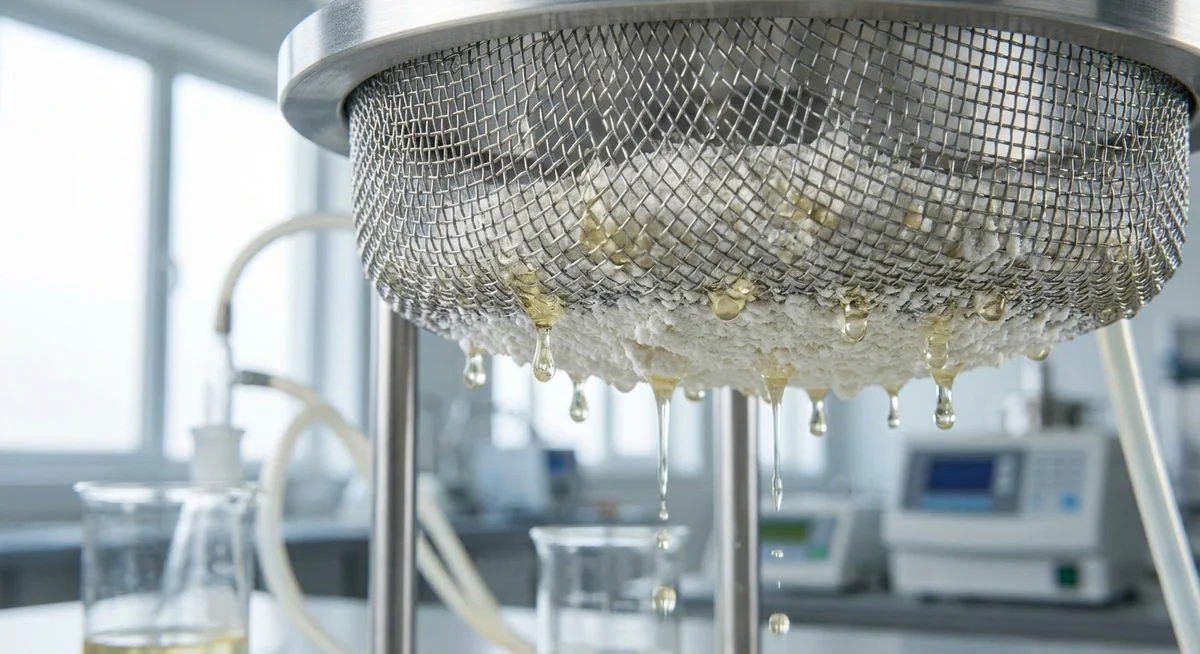
How WPI 90 Is Actually Made
The "90" in WPI 90 isn't a marketing flourish. It refers to the protein content by weight, which is at least 90 percent. Getting there requires precise filtration technology and tight quality control at every step.
Step One: Pasteurisation
Once the raw whey is collected from cheese production, it's pasteurised at controlled temperatures to eliminate harmful bacteria while preserving as much of the protein structure as possible. Overheating at this stage can denature the protein, so temperature control matters.
Step Two: Microfiltration and Ultrafiltration
The whey is passed through a series of membranes with progressively smaller pore sizes. These filters allow water, lactose, and small molecules to pass through while keeping the protein behind. The result is a concentrated whey protein liquid.
Step Three: Cross-Flow Microfiltration or Ion Exchange
To push the protein content above 90 percent, manufacturers typically use either cross-flow microfiltration (CFM) or ion exchange. CFM uses ceramic membranes and gentle filtration without heat or chemicals, which helps preserve the bioactive compounds in whey. Ion exchange is faster and can produce a higher protein percentage, but it's harsher on some of the delicate protein fractions.
Premium WPI 90 products almost always use cross-flow microfiltration because it keeps more of the good stuff intact.
Step Four: Spray Drying
The concentrated protein liquid is then sprayed into a chamber of hot air, where the water evaporates almost instantly, leaving behind a fine, dry powder. The spray drying process is carefully controlled to avoid damaging the protein.
Step Five: Blending, Flavouring, and Packaging
The finished isolate may be blended with natural flavours, sweeteners, and sometimes added enzymes or instantising agents to improve mixability. Quality brands keep their ingredient lists short and skip unnecessary fillers, gums, and artificial additives.
The Benefits That Make WPI 90 Worth the Hype
So why do people pay a premium for WPI 90 over a standard concentrate? Plenty of reasons, and they're not all about gym gains.
- Higher protein per scoop. With 90 percent protein content, every gram is doing more work. That means hitting daily protein targets with fewer calories.
- Low lactose. Because most of the lactose is filtered out, WPI 90 is far easier on sensitive stomachs. People who get bloated or uncomfortable with regular whey often tolerate isolate without any issues.
- Fast absorption. Whey protein in general digests quickly, and WPI 90 is one of the fastest absorbing forms available, making it ideal for post workout recovery.
- Complete amino acid profile. Whey provides all nine essential amino acids, with high concentrations of leucine, the key trigger for muscle protein synthesis.
- Low fat and low carb. Great for anyone tracking macros, cutting, or just wanting a clean protein source without extra baggage.
- Versatile. Mixes smoothly into water, milk, smoothies, oats, yoghurt, and baking recipes without clumping or that thick, chalky texture.
Beyond the macros, whey protein has been linked in research to a range of wellness benefits including supporting immune function, helping maintain lean muscle mass with age, and even contributing to better satiety, which can be useful for anyone managing their appetite or weight.
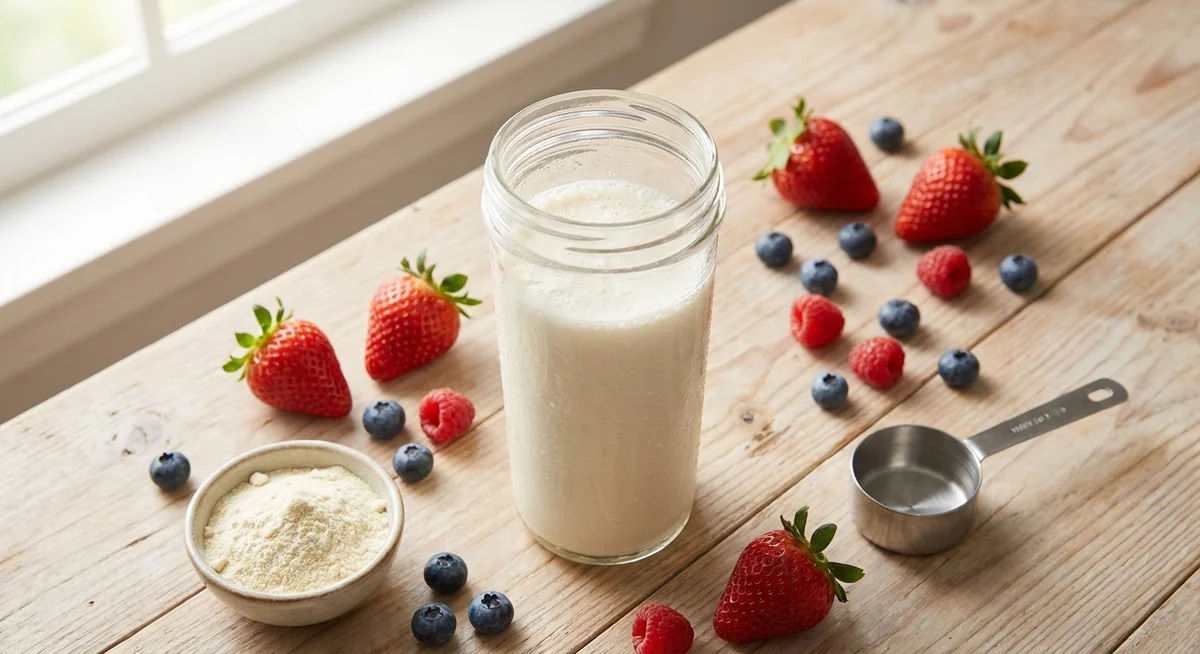
Why Quality Matters More Than the Front Label
Here's the uncomfortable truth about the protein industry. Two tubs sitting side by side on a shelf, both labelled "Whey Protein Isolate," can be wildly different products. The protein percentage might be similar on paper, but the actual quality of that protein varies dramatically depending on the source, the filtration method, and what gets added afterward.
Source of the Milk
Whey from grass fed, pasture raised cows tends to have a better fatty acid profile and higher levels of beneficial compounds compared to whey from factory farmed animals fed grain heavy diets. Country of origin also matters. Dairy from regions with strict farming standards generally results in cleaner, higher quality whey.
Processing Methods
Cross-flow microfiltration produces a more bioactive, less denatured protein than ion exchange or heat heavy methods. Low temperature processing preserves more of the delicate immune supporting fractions naturally present in whey.
What's Not in the Tub
Quality often shows up in what's missing. No artificial colours. No unnecessary thickeners. No amino spiking, where cheap free form amino acids are added to inflate the protein content shown on a nitrogen test. No hidden fillers bulking out each scoop.
Third Party Testing
Reputable brands have their products tested by independent labs to verify protein content, check for contaminants like heavy metals, and confirm that what's on the label matches what's in the powder. It's a step that costs money, and the brands that skip it usually have something to hide.
The difference between a generic whey isolate and a premium WPI 90 isn't just price. It's traceability, processing care, and what actually ends up in the scoop.
Choosing a Protein That Actually Delivers
For anyone trying to make a smart choice, a few simple checks go a long way. Look at the ingredient list. The shorter and more recognisable, the better. Check the protein per serving against the serving size, and do the maths