The Filter Files: How WPI 90 Gets Stripped Back to Pure Protein (And Why That Matters at the Gym)
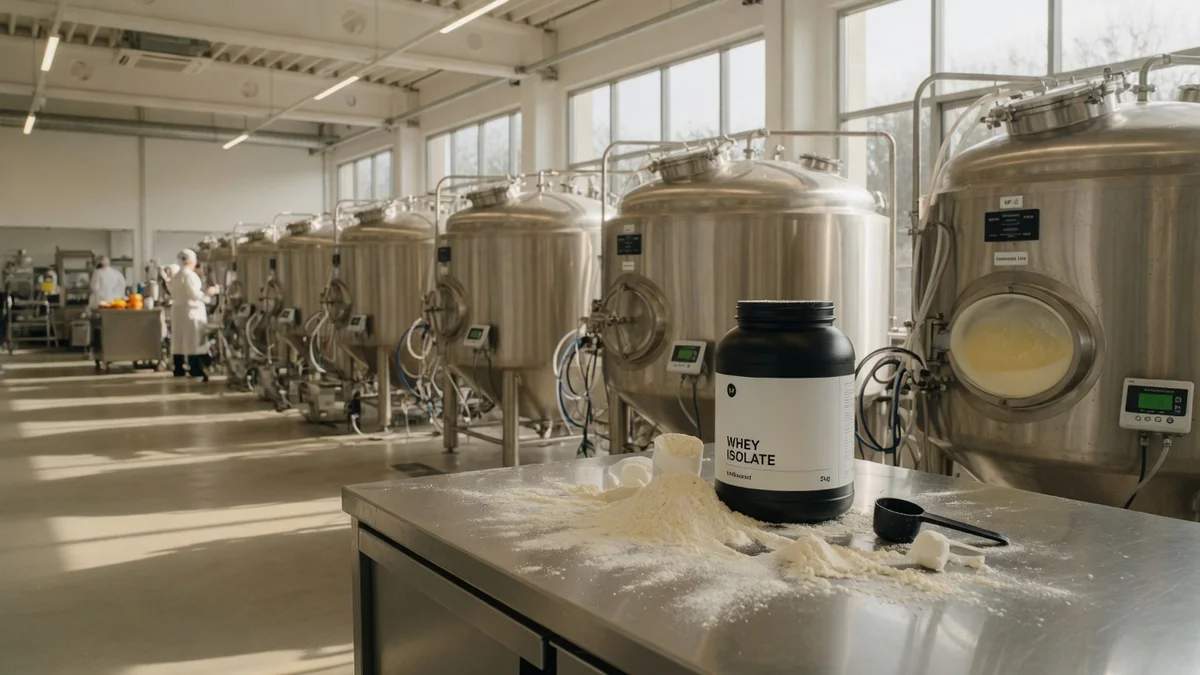
Whey protein has gone from a gym bro staple to a genuine kitchen pantry essential. It is in smoothies, baked goods, overnight oats, even the occasional sneaky stir into pancake batter. But behind that scoop sits a surprisingly complex process, and not every tub on the shelf is created equal. The difference between an average whey and a premium WPI 90 comes down to one thing: how much work went into stripping it back to the good stuff.
For anyone who has ever stared at a label trying to figure out why one protein costs twice as much as another, this is the rundown. From dairy farm to finished powder, here is what actually separates the contenders from the pretenders, and why filtration is the unsung hero of the whole story.
What Whey Protein Actually Is (No Marketing Spin)
Whey is the liquid that separates from milk during cheesemaking. For a long time it was treated as a byproduct, sometimes even discarded, until food scientists realised it contained a near-perfect amino acid profile and one of the highest biological values of any protein source on the planet.
In its raw state, whey is mostly water, with small amounts of protein, lactose (milk sugar), fat, and minerals. The job of any whey protein manufacturer is to remove the water and as much of the lactose, fat, and ash as possible, leaving behind a powder that is as protein-dense as the process allows.
That sounds simple. It is not. The techniques used to do that filtering are exactly what separates a budget whey concentrate from a top-shelf isolate.
The Three Main Players
- Whey Protein Concentrate (WPC): Usually sits between 35% and 80% protein by weight, with the rest made up of lactose, fat, and moisture. Cheaper, creamier, but heavier on the gut.
- Whey Protein Isolate (WPI): Filtered further to reach 90% or higher protein content. Almost no lactose, minimal fat, and a much cleaner finish.
- Whey Protein Hydrolysate (WPH): Isolate that has been pre-digested using enzymes to break the protein into smaller peptides. Absorbs fast, tastes bitter, costs a lot.
WPI 90 sits in the sweet spot. It delivers the protein density and digestibility people want from a premium powder without the harsh flavour or eye-watering price tag of a full hydrolysate.
From Milk Tanker to Powder: The Journey
The path from raw milk to a finished tub of WPI 90 is more like a science experiment than a kitchen recipe. Here is how it generally unfolds.
Step One: Sourcing the Milk
Quality starts at the paddock. Cows that are grass-fed, raised without unnecessary hormones, and milked on farms with strong welfare standards produce better milk. Better milk means a cleaner whey stream and a more nutrient-rich finished product. Anyone who tells you the source does not matter is selling something average.
Step Two: Separating the Curds
During cheesemaking, milk is split into solid curds and liquid whey. That liquid whey is the raw material. It is collected, pasteurised, and then sent off for filtration.
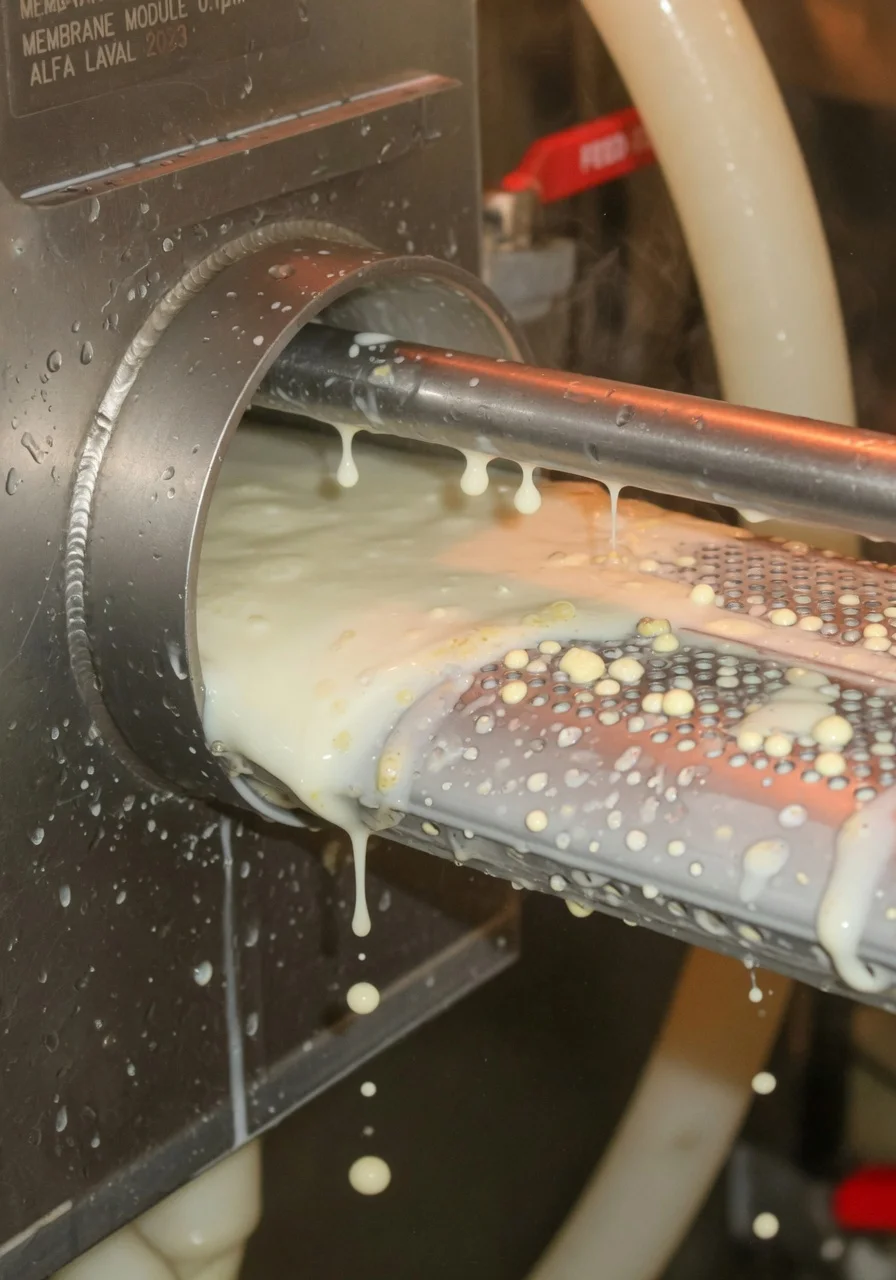
Step Three: The Big Filter
This is where the magic happens. Most premium isolates are made using one of two techniques, or sometimes both.
- Cross-Flow Microfiltration (CFM): A low-temperature, mechanical process that uses ceramic membranes to filter out lactose, fat, and denatured proteins. Because it is gentle, it preserves the natural protein structures and the immune-supporting microfractions like lactoferrin and immunoglobulins.
- Ion Exchange: Uses charged resins to attract and isolate protein molecules. It can produce slightly higher protein percentages but tends to strip out beneficial microfractions in the process.
For protein purists, cross-flow microfiltration is generally seen as the gold standard. It keeps the protein intact and undamaged, which matters for both nutritional quality and mixability.
Step Four: Drying It Out
Once the liquid has been concentrated into a protein-rich slurry, it is spray-dried. Hot air turns the slurry into a fine powder almost instantly. The quality of this step affects how well the final product mixes, whether it clumps, and how smooth it feels on the tongue.
Why WPI 90 Hits Different
So what makes whey protein isolate 90 worth the extra coin? It comes down to four practical things.
1. Protein Per Scoop That Actually Earns Its Spot
A 30g scoop of WPI 90 typically delivers around 27g of pure protein. Compare that to a standard concentrate, where a similar scoop might offer 18g to 22g of protein and a hefty side of lactose and fat. For anyone counting macros or hitting a daily protein target without blowing out their calories, that density is gold.
2. Easier on the Gut
Because WPI 90 has been filtered down to almost no lactose, it sits well even with people who normally get bloated or gassy from dairy. It is not lactose-free in the medical sense, but the residual amount is so low that most lactose-sensitive folks tolerate it without issue.
3. Faster Absorption
Less fat and less lactose means the body absorbs the protein quickly. That is especially handy post-training, when muscles are in a more receptive state and want amino acids on the move.
4. Cleaner Taste and Mix
Premium isolates do not have that gritty, chalky aftertaste cheaper proteins are famous for. They mix smoothly in water, blend like silk into smoothies, and do not leave a film on the glass.
The Quality Question: Why Two WPI 90s Are Not the Same
Here is the catch. Two tubs can both legally be labelled WPI 90, and yet deliver completely different experiences. Why? Because protein percentage is just one piece of a much bigger puzzle.
Things That Quietly Separate Good From Great
- Source country and farming standards: Dairy from regions with strict animal welfare and pasture-based feeding tends to produce a superior raw material.
- Filtration method: Cross-flow microfiltration preserves more of the beneficial bioactives than harsher chemical processes.
- Heat exposure: Excessive heat during processing denatures proteins. Low-temperature methods keep the protein structurally intact.
- Additive load: Some products bulk out their tubs with thickeners, fillers, artificial sweeteners, and flavour bombs. Premium products keep the ingredient list short and honest.
- Independent testing: Trustworthy brands batch-test their products for protein content, heavy metals, and contaminants.
The label might say 90% protein, but how that protein got there is the real story.
This is why reading an ingredients list matters more than reading the front of the tub. A clean WPI 90 should be mostly whey protein isolate, a touch of natural flavour, a recognisable sweetener, and not much else.
Real-World Benefits Beyond the Gym
Whey protein gets pigeonholed as a bodybuilder thing, but the benefits stretch well past the squat rack. The amino acid profile in whey, particularly the leucine content, supports muscle maintenance, which becomes increasingly important as people age. It also helps with satiety, which is a fancy way of saying it keeps you full longer and reduces snack cravings.
Who Actually Benefits
- Active adults wanting to recover faster between sessions and protect lean muscle as they train.
- Busy professionals who need a quick, high-quality meal supplement when there is no time to cook.
- Older adults looking to maintain strength, mobility, and muscle mass as the years roll on.
- People managing their weight who want a high-protein, low-carb option that keeps hunger in check.
- Anyone with a sensitive gut who reacts to standard whey concentrate but still wants the benefits of dairy protein.
The point is, WPI 90 is not just for people chasing PBs. It is a versatile nutritional tool that fits into a surprisingly wide range of lifestyles.
The Bottom Line on Premium Whey
Choosing a protein powder used to be about price and flavour. These days, with more information available and more options on the shelf, it makes sense to look a little deeper. The journey from grass to glass is genuinely impressive when done properly, and the difference between a cheap whey concentrate and a premium WPI 90 is not just marketing fluff. It is in the filtration method, the source milk, the heat exposure, the additive list, and the testing.
A great WPI 90 should feel like an upgrade from the moment the lid comes off. The powder should be fine and free-flowing, the smell clean and not overly artificial, the mix smooth, and the after-feel light. No bloating, no chalkiness, no regret. Just protein doing exactly what it was designed to do.
That is the difference quality makes. And once anyone has tried a properly made WPI 90, going back to the cheap stuff feels a bit like trading a flat white for instant coffee. Technically the same thing, but not really.