Inside the Scoop: A Plain-English Guide to Whey, WPI 90, and Why Some Powders Just Hit Different
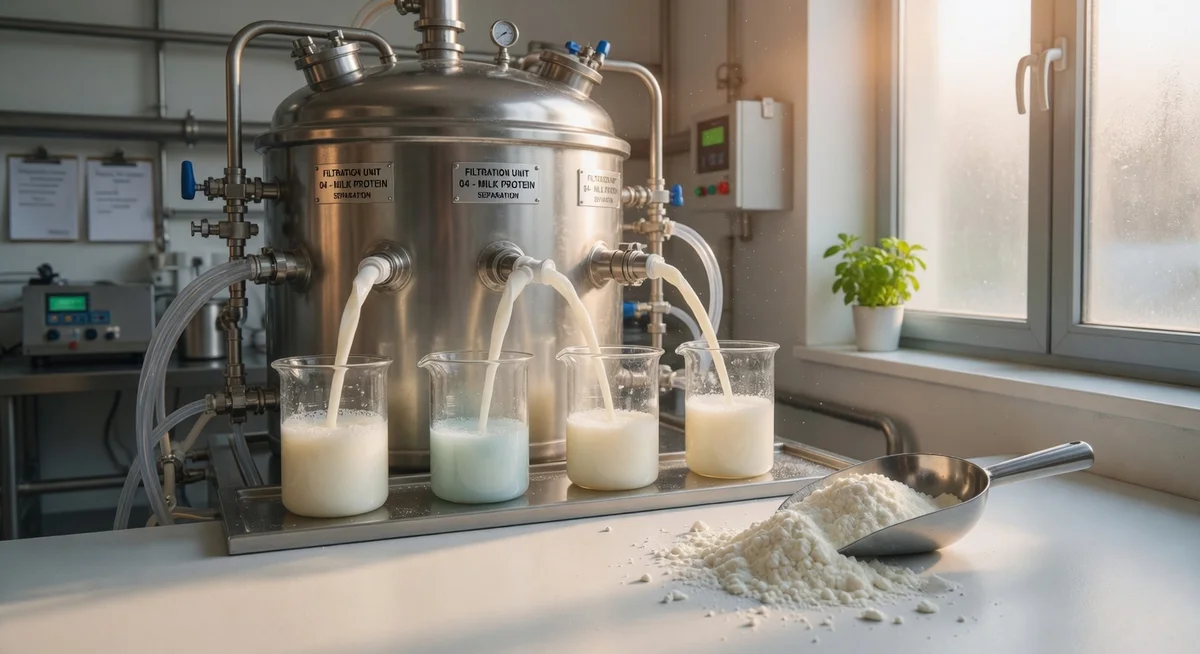
Walk into any supplement shop, scroll any fitness feed, or peek into any gym bag and there is a very good chance a tub of whey protein is involved. It has become almost as standard as a water bottle. But for something so common, whey is wildly misunderstood. People throw around terms like concentrate, isolate, hydrolysate, and WPI 90 as if everyone has a dairy science degree.
This guide breaks it all down in plain language. What whey actually is, how it goes from a liquid by-product of cheese to a fine powder in a scoop, the real differences between the types, and why quality is not just a marketing word. By the end, the label on the back of a protein tub should make a whole lot more sense.
So, What Is Whey Protein in the First Place?
Whey starts its life in milk. Cow's milk is roughly 80% casein and 20% whey, two different protein families that behave very differently in the body. Casein is the slow, thick one that forms the curds in cheesemaking. Whey is the watery, golden liquid left behind after the curds are separated. For most of dairy history, that liquid was considered a waste product. Farmers fed it to pigs or poured it back into the fields.
Then someone figured out that the liquid was packed with high-quality protein, naturally low in fat, and absorbed quickly by the human body. Fast forward a few decades and whey is now one of the most researched and consumed protein sources on the planet.
The reason it gets so much love comes down to its amino acid profile. Whey contains all nine essential amino acids and is especially rich in leucine, the amino acid most linked to triggering muscle protein synthesis. In simpler terms, it gives the body the exact building blocks it needs to repair and grow muscle tissue after exercise.
The Three Main Forms of Whey
Not all whey is created equal. Once that golden liquid is collected, it can be processed into three main forms, each with its own personality:
- Whey Protein Concentrate (WPC): Usually contains anywhere from 30% to 80% protein by weight. Cheaper, but comes with more lactose, fat, and carbs along for the ride.
- Whey Protein Isolate (WPI): Filtered further to reach around 90% protein, with most of the lactose, fat, and carbs stripped out. This is where WPI 90 lives.
- Whey Protein Hydrolysate (WPH): Whey that has been pre-digested using enzymes, breaking the proteins into smaller fragments for faster absorption. Often bitter in taste and significantly more expensive.
Each has its place, but they are not interchangeable. The differences in how they are made directly affect how they feel, taste, and perform.
From Pasture to Powder: How WPI 90 Actually Gets Made
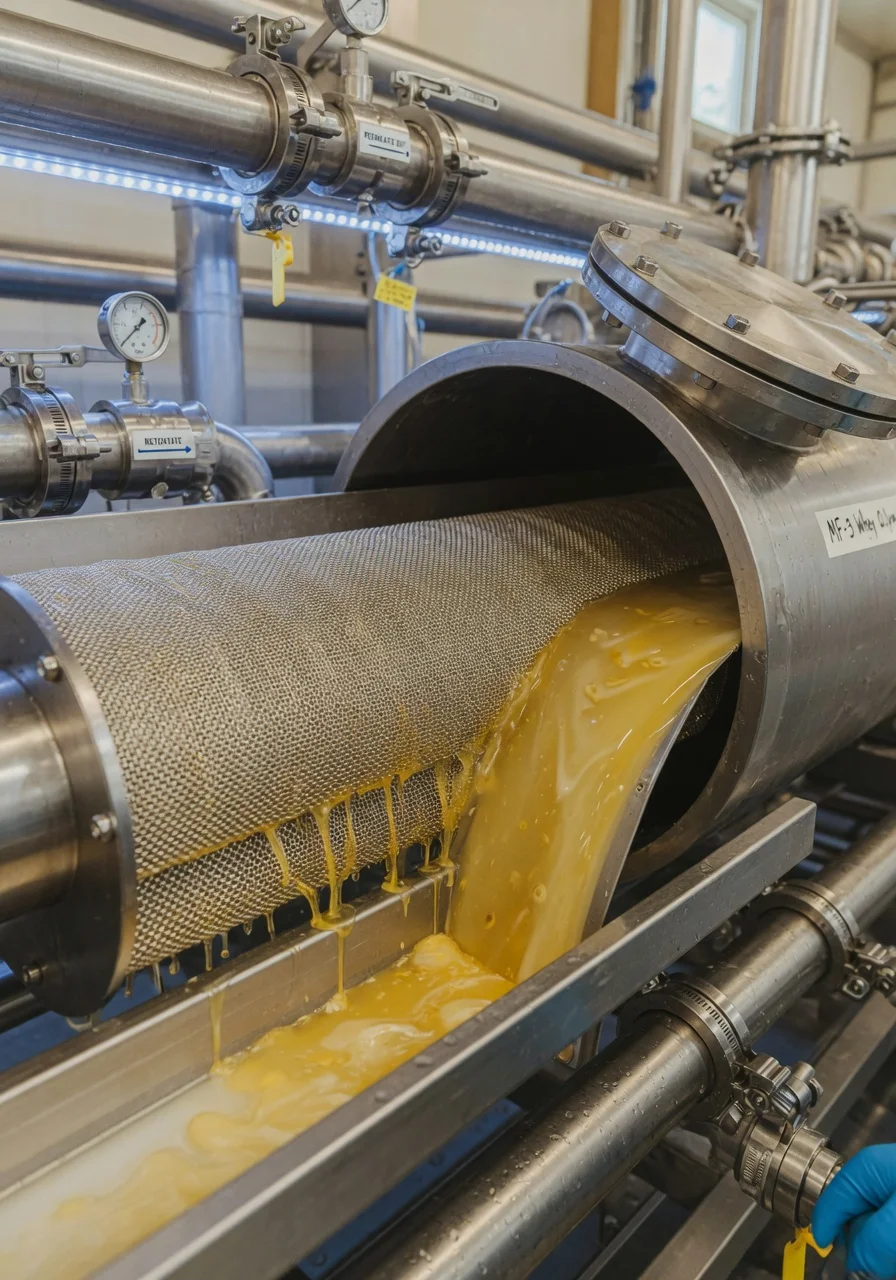
The journey of whey protein isolate is more technical than most people realise. It is not just milk that has been dried out. The process is a series of careful filtration steps designed to isolate the protein while leaving everything else behind.
Step One: Separating the Whey
It begins at the dairy. Fresh milk is pasteurised and then the casein is separated, usually during cheese production. The liquid whey that drains off gets collected and chilled quickly to preserve its delicate proteins.
Step Two: Pre-Filtration
That raw whey still contains fats, lactose, minerals, and other compounds. Before any concentration happens, it gets cleaned up through clarification and cream separation to remove residual fat and debris.
Step Three: Membrane Filtration
Here is where the magic happens. The whey is pushed through ultra-fine membranes, often using a process called cross-flow microfiltration or ultrafiltration. These membranes have tiny pores that let smaller molecules like lactose and minerals pass through, while holding back the larger protein molecules. The result is a protein-rich concentrate.
To reach the 90% protein mark of WPI, the whey usually goes through additional filtration rounds. Lower-quality manufacturers might use harsh ion-exchange methods involving acids and chemicals, which can damage the protein's natural structure. Premium producers stick with low-temperature, cross-flow membrane filtration to keep the protein intact and the amino acid profile in top shape.
Step Four: Drying
The concentrated liquid is then spray-dried, which means it is sprayed as a fine mist into a chamber of hot air. The water evaporates almost instantly, leaving behind a fine, free-flowing powder. This is the raw WPI 90.
Step Five: Blending and Packing
From there, the powder may be blended with natural flavours, sweeteners, and digestive enzymes before being packed. The best brands keep this list short and clean.
WPI 90 vs The Rest: What the Numbers Really Mean
The "90" in WPI 90 refers to the protein content by weight. Around 90% of every scoop is pure protein. The remaining 10% is a small amount of naturally occurring fats, minerals, moisture, and trace lactose. Compare that to a standard concentrate sitting at 70% to 80% protein, and the difference per serve adds up fast.
Here is what that actually looks like in a 30 gram scoop:
- WPC 80: Around 24g protein, 2 to 3g carbs, 1.5 to 3g fat
- WPI 90: Around 27g protein, less than 1g carbs, less than 1g fat, minimal lactose
- WPH: Similar to WPI in macros but pre-digested for faster uptake
For anyone counting macros closely, watching calories, or dealing with a sensitive stomach, those extra few grams of pure protein with almost no baggage matter. WPI 90 delivers more of what people actually buy protein powder for and less of what they do not.
Taste and Texture
There is also a noticeable difference in mouthfeel. Concentrates tend to be creamier and thicker because of the residual fats and carbs. Isolates mix lighter, often with a smoother, almost milky finish that does not feel heavy. Hydrolysates can taste bitter due to the broken peptide chains. For most people, a quality WPI 90 hits the sweet spot between performance and drinkability.
The Real Benefits of Sticking With Quality Whey
Beyond the macros, whey protein, and WPI 90 in particular, brings a list of perks that go well past just gym goals.
Muscle Repair and Growth
This is the big one. The high leucine content in whey triggers muscle protein synthesis more efficiently than most other protein sources. Studies consistently show that whey supports faster recovery and better lean muscle gains when paired with resistance training.
Easier on the Stomach
Because most of the lactose has been filtered out, WPI 90 is far gentler on people who feel bloated or uncomfortable after dairy. It is not lactose-free in the medical sense, but for many sensitive stomachs, it is the difference between a smooth shake and a bad afternoon.
Satiety and Appetite Control
Protein is the most filling macronutrient, and a clean isolate delivers a strong dose without dragging extra calories along. That makes WPI 90 a useful tool for anyone managing weight, whether the goal is fat loss, body recomposition, or just not snacking out of boredom at 3pm.
Immune Support
Whey contains bioactive compounds like immunoglobulins, lactoferrin, and beta-lactoglobulin that play a role in immune function. High-quality, minimally processed WPI preserves more of these naturally occurring compounds than heavily processed alternatives.
Convenience
Hitting daily protein targets through whole foods alone takes planning, prep, and a lot of chewing. A scoop of WPI 90 in water delivers roughly the protein of a chicken breast in about ten seconds. For busy people, that convenience is the whole point.
Why Quality Actually Matters (Not Just Marketing Speak)
Here is the part the industry does not always advertise. Two tubs of protein powder can both say "whey protein isolate" on the label and be completely different products inside. Quality varies enormously based on the source of the milk, the filtration method, the temperature used during processing, and what gets added at the end.
The Source
Milk from grass-fed, well-cared-for cows tends to have a better nutrient profile to begin with. Ethical, regulated dairy industries also mean cleaner milk with fewer additives and antibiotics in the chain.
The Processing Method
Low-temperature, membrane-based filtration preserves the native structure of the proteins. High-heat or chemical-heavy processing can denature them, reducing the bioactive benefits and sometimes the digestibility. The label might still say "isolate," but the protein inside is not in the same shape it should be.
The Ingredient List
A clean WPI 90 should have a short ingredient list. Whey protein isolate, maybe a natural flavour, a sweetener, perhaps a digestive enzyme like lactase. Long lists full of fillers, gums, artificial colours, and protein "blends" with hidden cheaper sources are red flags. Some products even use a tactic called amino spiking, where cheap free-form amino acids are added to inflate the protein count on lab tests without delivering the real benefits of a complete protein.
Third-Party Testing
Reputable brands test their products independently