From Pasture to Powder: The Surprisingly Technical Journey of Premium WPI 90
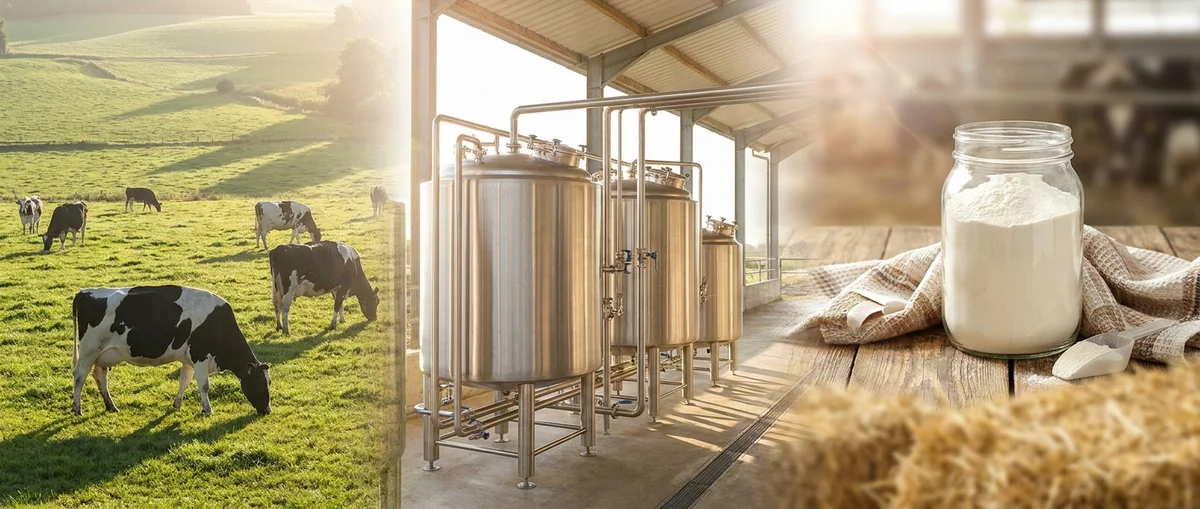
Whey protein has gone from gym-bag staple to mainstream pantry essential, popping up in everything from morning smoothies to baked goods. But for all its popularity, there's still a fair bit of confusion about what whey actually is, how it gets made, and why some powders cost twice as much as others while sitting next to each other on the shelf.
The short version: not all whey is created equal. The longer version involves dairy science, filtration tech, and a surprising amount of engineering. Here's a deep look at what whey protein really is, how it becomes the premium WPI 90 sitting in a tub, and why all the fuss about quality is genuinely worth paying attention to.
What Whey Protein Actually Is
Milk is made up of two main proteins: casein and whey. Casein is the slow-digesting one that makes up the bulk of cheese. Whey is the liquid that's left behind when milk curdles. For centuries, cheesemakers basically threw whey away or fed it to livestock because nobody knew what to do with it. Turns out that "leftover" liquid is packed with some of the most bioavailable protein on the planet.
Whey protein contains all nine essential amino acids, which is what earns it the title of a complete protein. It's also unusually high in branched-chain amino acids (BCAAs), particularly leucine, which is the amino acid most directly linked to triggering muscle protein synthesis. That's a fancy way of saying it helps the body build and repair muscle tissue more efficiently than most other protein sources.
But raw liquid whey isn't exactly something anyone wants to scoop into a shaker. The journey from cheese vat to protein tub is where things get interesting.
The Three Main Forms of Whey
When shopping for whey protein, three main types tend to show up on labels:
- Whey Protein Concentrate (WPC): Typically 70-80% protein by weight, with the rest made up of lactose, fat, and minerals. It's the most affordable form and still nutritionally solid, but contains more lactose and fat per serve.
- Whey Protein Isolate (WPI): Filtered further to remove most of the lactose and fat. Quality isolates land at around 90% protein by weight, which is where the "WPI 90" name comes from. It's leaner, cleaner, and easier on sensitive stomachs.
- Whey Protein Hydrolysate (WPH): Pre-digested whey, where enzymes have broken the protein into smaller peptides for faster absorption. Often more expensive and used in medical or sports recovery formulas.
WPI 90 sits in a sweet spot. It offers near-maximum protein purity without the steep price tag or sometimes bitter taste of hydrolysates.
How WPI 90 Gets Made
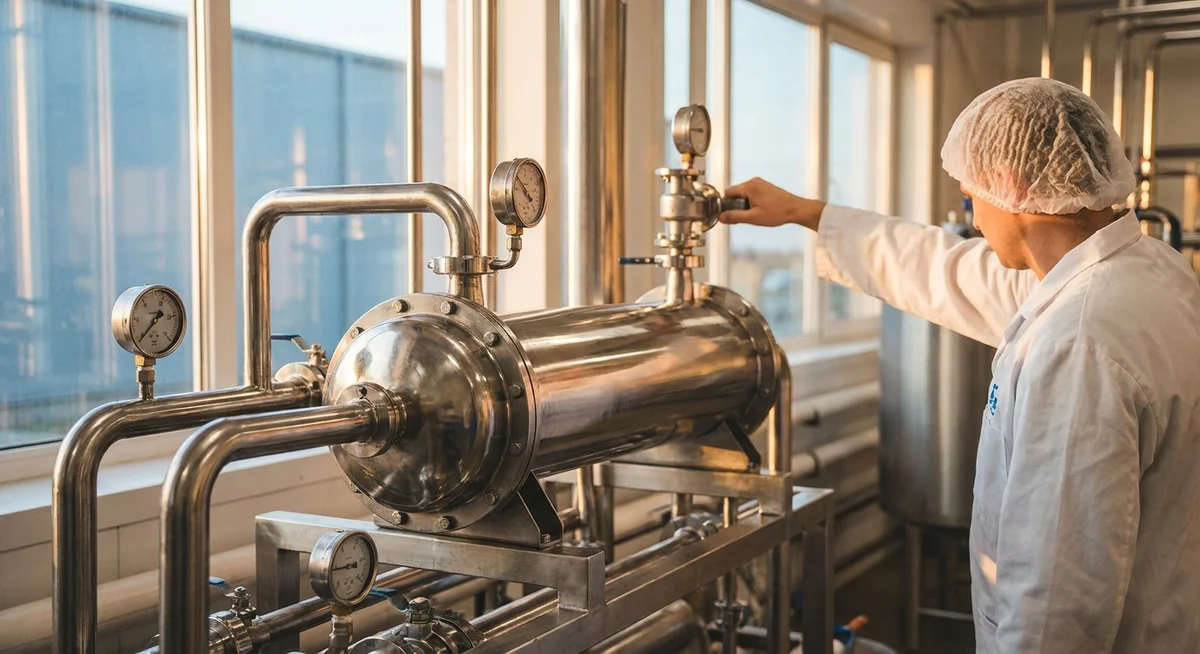
Producing high-quality whey protein isolate is a careful balance of removing what nobody wants while preserving the delicate protein structures that make whey so valuable. The general process looks something like this.
Step 1: Sourcing the Milk
It all starts with the cows. The quality of the milk has a direct flow-on effect to the final product. Grass-fed, well-managed herds tend to produce milk with a better fatty acid profile and lower contamination risk. Premium brands typically source from regions with strict dairy standards, like New Zealand or Australia, where pasture-based farming is the norm rather than the exception.
Step 2: Separating the Whey
Once the milk arrives at the processing facility, it goes through pasteurisation and then separation, where casein and whey are split apart. This often happens during cheesemaking, with the liquid whey being captured as a co-product. From here, the whey gets pre-filtered to remove fats and particulates.
Step 3: Filtration (The Big One)
This is where WPI really earns its stripes. There are two main methods used to push concentrate up to isolate territory:
- Cross-flow microfiltration (CFM): A low-temperature, mechanical process that uses ceramic membranes to filter out lactose, fat, and other compounds while leaving the protein structures intact. This preserves the natural immunoglobulins and bioactive peptides that make whey so beneficial.
- Ion exchange: A chemical process that uses pH adjustments and resins to separate protein from the rest. It produces a slightly higher protein yield but can damage some of the more delicate, fragile protein fractions in the process.
Most premium WPI 90 products favour cross-flow microfiltration because it keeps the protein as close to its natural state as possible. It's gentler, more expensive, and produces a more complete amino acid profile.
Step 4: Drying
After filtration, the protein-rich liquid gets spray-dried into a fine powder. Spray drying at carefully controlled temperatures helps preserve the protein structure while removing the water. Done poorly, this step can denature the protein. Done well, it locks in everything the filtration process worked so hard to retain.
Step 5: Testing and Packaging
Reputable producers test for protein content, heavy metals, microbial contamination, and amino acid profiles before the powder ever gets bagged. Third-party testing is the gold standard, and quality brands usually make those certificates of analysis available on request.
The Benefits Worth Knowing About
The reason WPI 90 has earned such a loyal following isn't marketing. It's the combination of high protein density, low everything-else, and rapid absorption. Here's what that translates to in real-life terms.
Muscle Recovery and Growth
Whey's high leucine content makes it especially effective at stimulating muscle protein synthesis, the process where the body repairs and builds new muscle tissue. For people training hard, this matters. Studies consistently show whey protein outperforms many other protein sources for post-workout recovery.
Lean Nutrition Profile
A typical WPI 90 serve delivers around 25 grams of protein with very little fat, almost no carbs, and minimal lactose. That makes it useful for anyone tracking macros, managing weight, or just wanting more protein without extra calories tagging along.
Easier on the Stomach
Because most of the lactose has been filtered out, WPI is often well-tolerated by people who get bloated or uncomfortable with whey concentrate. It's not lactose-free, but it's close enough that mild lactose sensitivity usually isn't an issue.
Satiety and General Wellness
Beyond athletic performance, protein helps with satiety, blood sugar regulation, and supporting things like immune function and bone density. WPI 90 makes it easier to hit daily protein targets without overloading on solid food, which is particularly handy for busy people, older adults, or anyone with smaller appetites.
Why Quality Actually Matters
It's tempting to assume protein powder is protein powder. A scoop is a scoop, right? Not quite. The differences between a budget bucket and a premium tub of WPI 90 show up in several real ways.
Protein Spiking and Filler Tricks
Some lower-quality brands have been caught adding cheap amino acids like glycine or taurine to inflate the protein number on the label. This practice, known as amino spiking, makes the powder look more protein-dense than it actually is. Quality WPI 90 sticks to whole protein content, and reputable brands will back this up with independent testing.
Processing Damage
High-heat processing or harsh chemical methods can denature whey protein, breaking down the bioactive fractions like lactoferrin and immunoglobulins. The end product still technically counts as protein, but a lot of the "extras" that make whey special end up lost in the process.
Source Transparency
Where does the milk come from? Is it grass-fed? Are the cows treated with growth hormones? Is the manufacturing facility certified? These questions actually matter, both for nutritional quality and for ethical reasons. Premium producers are open about their supply chain. Budget ones tend to be vague.
Taste, Mixability, and Texture
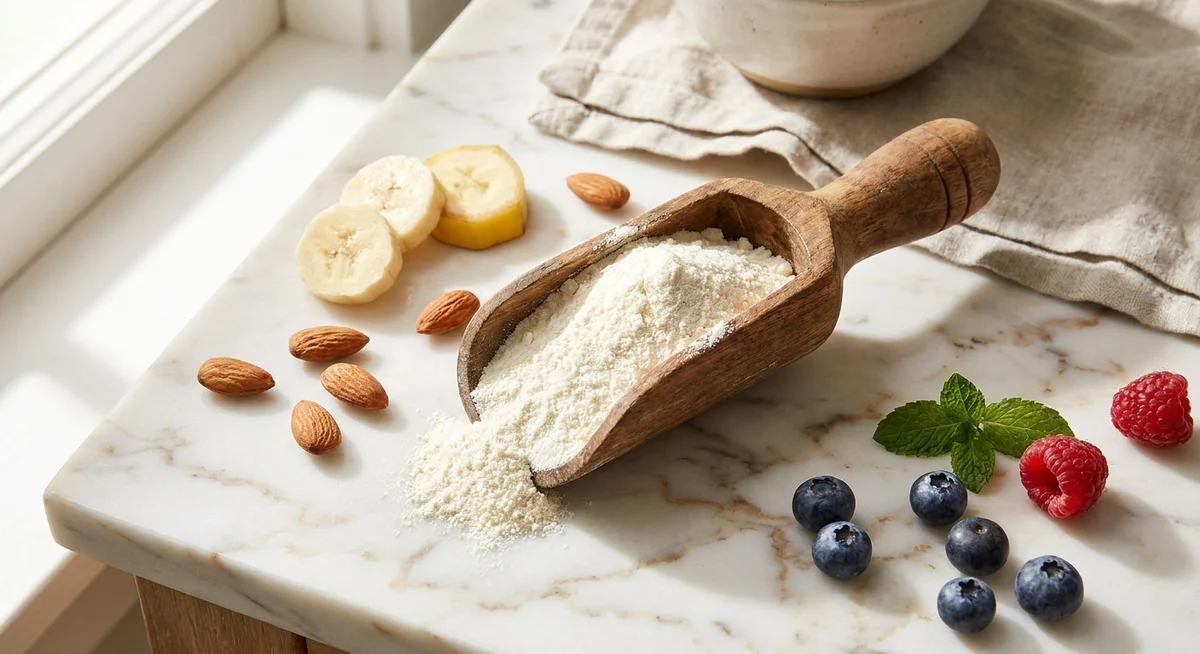
A clean, well-processed WPI 90 mixes effortlessly, doesn't clump, and has a neutral or pleasant flavour that doesn't need to be drowned in artificial sweeteners. Cheap powders often have a chalky texture, a weirdly persistent aftertaste, and a sweetness level that suggests someone's trying to hide something.
The real test of a quality protein isn't how it looks on the label. It's how it performs in the body and how transparent the brand is about every step of getting it there.
Making Sense of It All
For anyone serious about their nutrition, understanding what's in the tub is half the battle. WPI 90 sits at the premium end of the whey spectrum because of what it offers: maximum protein, minimal extras, gentle processing, and (when sourced well) a clean supply chain from pasture to powder.
That doesn't mean every situation calls for it. Whey concentrate still has its place for those on a budget or who don't mind a few extra carbs. Hydrolysates work for specific recovery scenarios. But for everyday use, especially for anyone with lactose sensitivities or strict macro goals, WPI 90 hits the sweet spot of purity, performance, and practicality.
The bigger takeaway is this: protein powder is a processed food, and the way it's processed matters enormously. Choosing a brand that takes the long, careful route, from sourcing through filtration to packaging, is the difference between getting genuine nutritional value and getting something that just technically qual