From Cow to Shaker: The Real Journey of Whey Protein and Why WPI 90 Earns Its Stripes

Whey protein has gone from being a niche bodybuilder staple to something sitting in kitchen cupboards next to the coffee and the oats. It is in smoothies, baked goods, post-gym shakers, and even the occasional bowl of porridge. But somewhere between the marketing claims and the alphabet soup of acronyms like WPC, WPI, and WPH, the actual story of what whey protein is tends to get lost.
This is a no-fluff look at where whey comes from, how it gets turned into the powders people scoop every day, and why a product like WPI 90 sits at a different level on the shelf. No shouting, no hype. Just the stuff worth knowing.
What Whey Actually Is (Before It Becomes a Powder)
Whey starts its life in milk. About 80% of cow's milk protein is casein, and the other 20% is whey. For most of human history, whey was the watery byproduct left over after milk was turned into cheese. Cheesemakers used to literally pour it away or feed it to pigs. It was treated as waste.
Then someone realized this leftover liquid was packed with high-quality, fast-digesting protein and a near-perfect amino acid profile. Specifically, it is loaded with branched-chain amino acids (BCAAs) like leucine, which plays a starring role in muscle protein synthesis. Suddenly the pig food became one of the most studied supplements in sports nutrition.
So in its rawest form, whey is the liquid that separates from milk during cheesemaking. It contains protein, lactose (milk sugar), some fat, and various minerals. Turning that cloudy liquid into a clean, scoopable powder is where the real work begins.
How Whey Protein Is Made: The Short Version
The process from liquid whey to finished powder involves a few key steps, and the differences between whey concentrate, isolate, and hydrolysate come down to how far that process is taken.
Step 1: Pasteurization
The liquid whey gets gently heated to kill off any unwanted bacteria. Quality producers keep temperatures low to avoid denaturing the protein, which is a fancy way of saying they do not want to scramble the protein structure and damage its function.
Step 2: Filtration
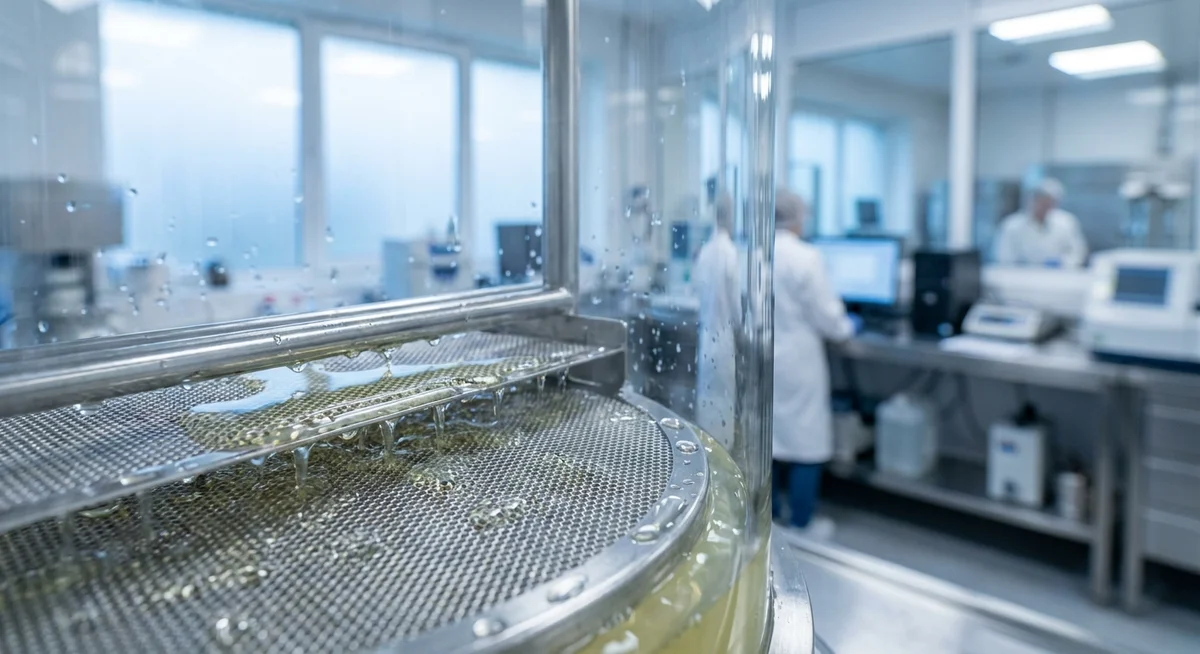
This is the big one. The whey is pushed through a series of incredibly fine filters that separate the protein molecules from the fat, lactose, and other small particles. The most common methods are ultrafiltration, microfiltration, and cross-flow microfiltration (CFM). These use mechanical pressure rather than chemicals or harsh heat, which preserves the integrity of the protein.
Step 3: Concentration and Drying
Once enough fat and lactose have been removed, the resulting liquid is concentrated and then spray-dried into the fine powder that ends up in tubs and pouches.
The longer and more thoroughly that filtration step is performed, the higher the final protein percentage. A short filtration run gives concentrate. A longer, more refined one gives isolate. Take it even further and apply enzymes to pre-break the protein chains, and you get hydrolysate.
WPC vs WPI vs WPH: Knowing the Difference
Here is where the labels start to make sense. The three main types of whey protein each have a place, but they are not the same product, and the differences are not just marketing.
Whey Protein Concentrate (WPC)
This is the most common and most affordable form. WPC typically ranges from around 35% protein on the low end (basically a milk-replacement powder) to about 80% protein on the higher end. The rest is made up of lactose, fat, and minerals. WPC 80 is a popular middle-ground option, offering decent protein content with a creamier mouthfeel because of the fat and lactose still present.
The trade-off? More lactose can be a problem for people with sensitivities. More fat means more calories per scoop. And the protein purity per gram is simply lower.
Whey Protein Isolate (WPI)
WPI goes through extra filtration steps to strip out almost all the remaining fat and lactose. The result is a powder that is typically 90% or more pure protein by weight. WPI 90 sits at the top of this category, delivering roughly 90 grams of protein per 100 grams of powder, with minimal carbs and fat. It mixes thin, digests quickly, and is far easier on the stomach for those who struggle with dairy sugars.
Whey Protein Hydrolysate (WPH)
Hydrolysate is whey that has been partially "pre-digested" using enzymes that break the protein chains into smaller peptides. The idea is faster absorption. It is also typically the most expensive and, fair warning, the most bitter-tasting of the three. WPH has its niche in clinical and athletic settings but is overkill for most everyday users.
Why WPI 90 Stands Out
If WPC is the everyday option and WPH is the specialist, WPI 90 occupies a sweet spot that is hard to argue with. It offers premium protein content without the bitterness or price tag of hydrolysate, and without the extra lactose and fat of concentrate.
A few specific reasons it earns its reputation:
- Higher protein per scoop. When 90% of what is in the tub is actual protein, every gram works harder.
- Lower lactose. Most people who feel bloated from cheaper whey can tolerate WPI 90 without issue.
- Lean macros. Minimal fat and carbs make it a clean fit for cutting phases, calorie-conscious diets, or anyone who wants their protein to actually be protein.
- Fast digestion. WPI is rapidly absorbed, which is ideal post-workout when the body is primed to use those amino acids.
- Versatile texture. It blends thin and clean, which makes it easy to add to drinks, oats, yoghurt, or baking without turning everything gluey.
The Benefits Behind the Buzz
Marketing claims aside, whey protein actually has decades of research behind it. The benefits are not theoretical.
Muscle Repair and Growth
Whey is rich in essential amino acids, particularly leucine, which directly triggers muscle protein synthesis. Pairing resistance training with adequate whey intake consistently shows better strength and muscle gains in studies. This is not just for gym-goers either. Older adults benefit hugely from whey to fight age-related muscle loss, known as sarcopenia.
Satiety and Body Composition
Protein is the most filling macronutrient, and whey in particular has been shown to reduce hunger hormones and increase fullness signals. For anyone trying to manage their weight or cut body fat without feeling hollow all day, a high-protein intake makes a real difference.
Recovery and Immune Support
Whey contains immunoglobulins and lactoferrin, both of which play roles in immune function. After hard training sessions, when the body is briefly stressed and inflammation runs high, whey supports the bounce-back.
Convenience That Actually Matters
Hitting daily protein targets through whole food alone is doable but logistically annoying. Two scoops of WPI 90 in water gives roughly 45-50 grams of high-quality protein in under a minute. That kind of convenience is what makes the difference between hitting goals and falling short.
Why Quality Is Not Just a Buzzword
Here is the part that often gets glossed over. Not all whey protein is created equal, and the gap between a budget tub and a premium one is bigger than most labels suggest.
Amino Spiking and Label Tricks
Some cheaper brands have been caught "spiking" their products with cheap free-form amino acids like glycine or taurine to inflate the total protein content on the label. Technically these count as nitrogen, which standard protein tests measure, but they do not deliver the muscle-building benefits of real whey protein. A reputable WPI 90 product will be transparent about its protein source and testing.
Processing Matters
Heat damage during manufacturing can denature the protein and reduce its biological value. Lower-quality producers cut corners with high-heat processing to speed things up. Premium WPI 90 uses gentler cross-flow microfiltration to preserve the protein's native structure and the beneficial peptides that come with it.
The Cow Factor
The source of the milk matters too. Dairy from well-managed herds, ideally pasture-raised, tends to produce whey with a better fat profile and fewer contaminants. The further upstream the quality, the cleaner the final product.
What "Premium" Should Actually Mean
Premium is one of the most overused words in the supplement world. In a meaningful sense, it should refer to:
- Verified protein content (not spiked)
- Low-temperature, undenatured processing
- Clean ingredient lists without unnecessary fillers
- High purity (90%+ for true WPI)
- Transparent sourcing
Anything less is just packaging.
Bringing It All Together
Whey protein has come a long way from being a cheesemaker's leftover. Modern processing has turned it into one of the most useful nutritional tools available, whether the goal is building muscle, recovering from training, managing weight, or just hitting daily protein num