Beyond the Buzzword: Decoding Whey Protein and Why WPI 90 Stands Apart

Walk into any supplement shop or scroll through a fitness feed and whey protein is everywhere. Tubs stacked in pyramids, flavours ranging from cookies and cream to salted caramel espresso, and labels shouting numbers, percentages, and acronyms that mean very little to most shoppers. WPC, WPI, WPH, hydrolysed, native, grass-fed, cold-processed. It's a lot.
But behind the marketing noise, whey protein is actually a pretty fascinating ingredient with a real story. And once the differences between the various types are clear, choosing the right one becomes a whole lot easier. This is a closer look at what whey actually is, how it ends up in a shaker, and why a premium isolate like WPI 90 sits at the top of the protein food chain.
What Whey Protein Actually Is
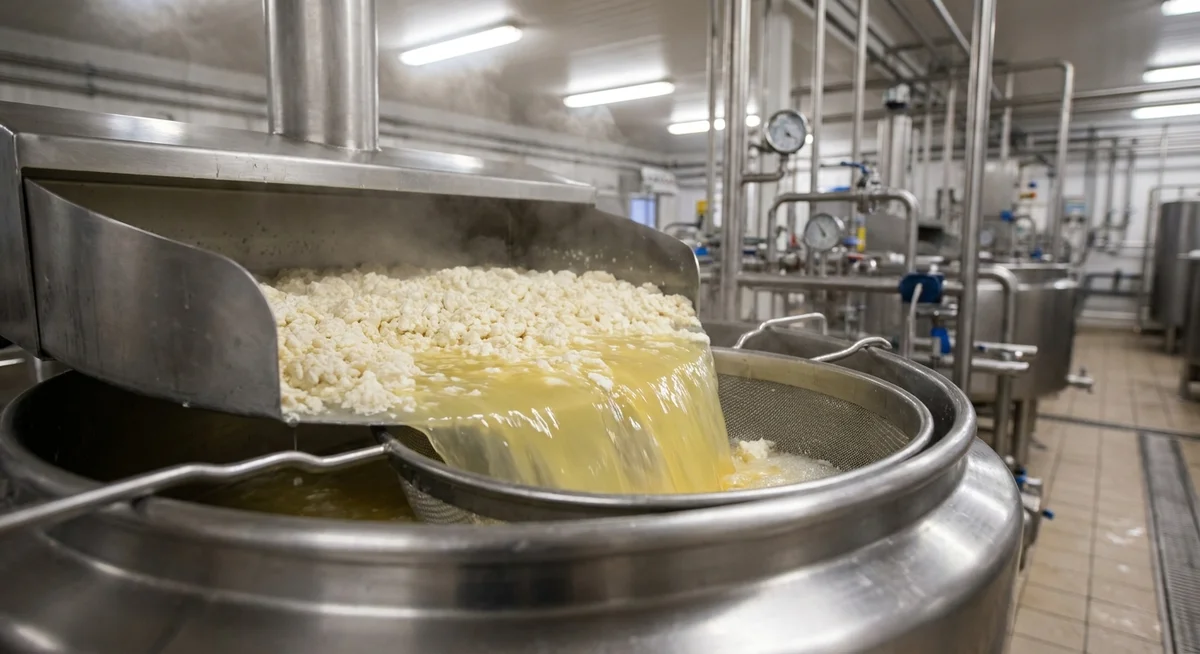
Whey is one of the two main proteins found in milk. The other is casein. When milk is processed, particularly during cheese-making, it separates into curds and a watery liquid. That liquid is whey. For decades, it was considered a byproduct and often discarded or fed to livestock. Then sports science caught up and discovered that whey is packed with high-quality, fast-absorbing protein and a complete amino acid profile.
It contains all nine essential amino acids, including a generous dose of branched-chain amino acids (BCAAs) like leucine, which is the main trigger for muscle protein synthesis. In plain English, whey is one of the most efficient ways to give the body what it needs to recover, repair, and build lean muscle tissue.
The Three Main Forms of Whey
Not all whey is created equal. The three main types found on shelves differ in how they're processed and how pure they end up being.
- Whey Protein Concentrate (WPC): The most common and budget-friendly option. Typically contains 70 to 80 percent protein, with the rest made up of lactose, fats, and minerals.
- Whey Protein Isolate (WPI): Further filtered to remove most of the lactose and fat. Usually 90 percent or more protein by weight, making it cleaner and easier on the stomach.
- Whey Protein Hydrolysate (WPH): Pre-digested whey where the protein chains are broken down into smaller peptides for faster absorption. Often used in medical nutrition and elite sports formulas.
From Milk to Powder: How Whey Is Actually Made
The journey from a dairy cow to a tub of protein powder is more involved than most people realise. It starts with fresh milk being pasteurised and then introduced to enzymes or acid that cause it to curdle. The solid curds head off to become cheese, while the liquid whey is collected for further processing.
That raw whey is then put through a series of filtration steps. For concentrate, the process is relatively simple and stops earlier, leaving more of the natural milk sugars and fats behind. For isolate, the whey goes through additional filtration methods such as microfiltration and ultrafiltration, which use fine membranes to separate the protein molecules from almost everything else.
Some premium isolates also use a process called cross-flow microfiltration, which keeps the protein in its natural, undenatured state by avoiding harsh heat or chemicals. This is the gold standard because it preserves the bioactive components of whey, including immunoglobulins and lactoferrin, which support immune function alongside muscle recovery.
After filtration, the liquid is spray-dried into a fine powder, blended with flavours and sweeteners if desired, and packaged. Quality control along this chain is what separates an average product from a genuinely premium one.
Why WPI 90 Sits at the Top
The 90 in WPI 90 refers to protein content. At minimum 90 percent protein by weight, it represents one of the purest forms of whey available without crossing into hydrolysate territory. The remaining 10 percent contains trace amounts of fat, minimal lactose, and natural minerals, which is a stark contrast to concentrates that can carry significantly more sugar and fat per serve.
For people who are lactose sensitive, watching their macros, or simply want a cleaner protein source, this matters. A 30 gram scoop of WPI 90 can deliver around 27 grams of pure protein with barely any carbs or fat. Compare that to a typical concentrate, where the same scoop might only provide 21 grams of protein along with extra lactose and lipids.
Where the Real Differences Show Up
The benefits of a high-purity isolate aren't just on the nutrition panel. They show up in real ways:
- Digestion: Less lactose means less bloating, gas, and discomfort for people with mild intolerances.
- Absorption speed: Isolates are absorbed quickly, making them ideal for post-workout windows.
- Macro efficiency: More protein per calorie, which suits anyone in a cutting phase or chasing leaner body composition.
- Mixability: Quality isolates tend to dissolve cleanly in water or milk without clumping or grit.
- Versatility: Light texture and neutral profile make it easy to add to smoothies, oats, baked goods, or yoghurt.

The Benefits That Actually Hold Up
Whey protein has been studied extensively for decades, and the research consistently points to a handful of well-supported benefits. Marketing tends to exaggerate, but the core science is solid.
Muscle Growth and Recovery
This is the headline act. Whey is rich in leucine, the amino acid that flips the switch on muscle protein synthesis. Consuming it after resistance training helps the body rebuild muscle fibres faster and more efficiently than carbs or fats alone. For anyone training regularly, hitting a daily protein target matters more than almost any other nutritional factor.
Appetite Control and Body Composition
Protein is the most satiating macronutrient, meaning it keeps hunger at bay longer than carbs or fats. Adding a whey shake to a meal or using it as a snack replacement can naturally reduce overall calorie intake, which supports fat loss without the misery of constant cravings.
Everyday Wellness
Beyond the gym, adequate protein supports immune function, healthy skin and hair, bone density, and general energy levels. As people age, protein needs actually increase to help preserve muscle mass and metabolic health. Whey is one of the most efficient and complete sources available, making it useful well beyond athletic circles.
The difference between a forgettable protein and a great one usually comes down to two things: the quality of the milk it started as, and how gently it was processed along the way.
Why Quality Actually Matters
Here's the part the budget brands hope nobody notices. Two tubs of whey isolate sitting side by side can look almost identical on the front of the label, yet differ wildly in what's actually inside. Sourcing, processing methods, additives, and even storage conditions all play a role.
Lower-grade products often rely on cheaper protein blends, excessive artificial sweeteners, fillers, and amino acid spiking, which is the sneaky practice of adding cheap individual amino acids to inflate the protein count on lab tests. The result might technically meet a number on paper, but it won't deliver the same results in the body.
A premium WPI 90 should be transparent about a few key things:
- Where the milk comes from, ideally from grass-fed, hormone-free herds
- The filtration method used and whether the protein is undenatured
- A clean ingredient list without unnecessary fillers, gums, or artificial junk
- Third-party testing for purity and accurate protein content
- A clear nutritional breakdown that matches what's promised on the front
When all of those boxes are ticked, the product in the scoop genuinely matches the claim on the label. That's the difference between a protein that supports goals and one that just takes up space in the pantry.
How to Use It Without Overthinking It
One of the best things about a quality whey isolate is that it slots into daily life without effort. A scoop in water after training is the classic move, but it's far from the only option. It can be blended into smoothies with banana and oats for a quick breakfast, stirred into Greek yoghurt for a high-protein dessert, mixed into pancake batter, or whisked into overnight oats.
For most active adults, somewhere between one and two scoops a day is plenty, layered on top of whole-food protein sources like eggs, chicken, fish, and legumes. Protein powder isn't a magic potion. It's a convenient tool to help hit daily targets without having to cook another meal.
The Bottom Line
Whey protein has come a long way from being a discarded byproduct of cheese-making. Today it sits at the centre of modern sports nutrition and everyday wellness, and the gap between average and excellent products is wider than most people realise. Understanding how it's made, what the different types offer, and what to look for on a label turns a confusing aisle of tubs into a clear, confident choice.
WPI 90 represents the cleaner, leaner, more refined end of the spectrum. High in protein, low in everything else, and built for people who care about what they put in their body. Whether the goal is building muscle, losing fat, supporting an active lifestyle, or just getting more quality protein into the day, a premium isolate makes the job genuinely easier. And when quality is taken seriously from the dairy all the way to the scoop, the results tend to speak for themselves.