WPI 90 and Carbs: Should You Mix Them Post-Workout?
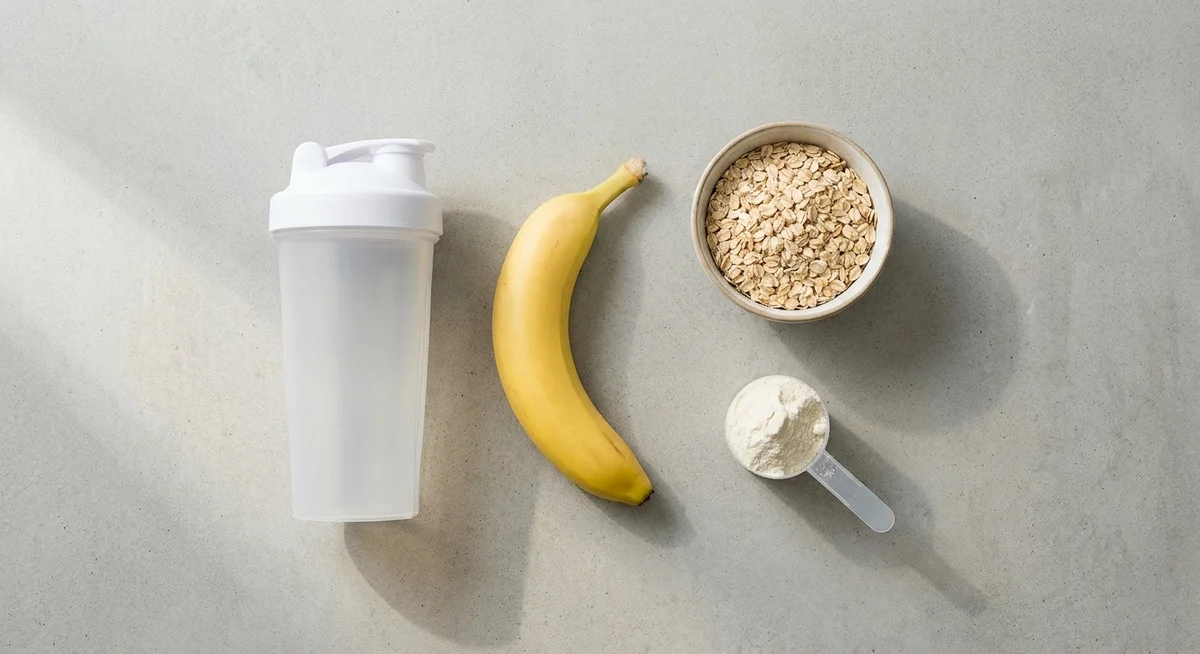
Should you add carbs to your post-workout protein shake? The short answer: it depends on your goal, your training volume, and how long you went without food. For most people doing moderate gym sessions, a quality WPI 90 shake on its own does the job. For endurance athletes or anyone training twice a day, pairing protein with carbs genuinely speeds up recovery. Here's how to tell which camp you're in.
Key takeaways
- Carbs post-workout raise insulin, which helps shuttle amino acids into muscle tissue.
- For single daily sessions under 90 minutes, WPI 90 alone is usually enough to kick off muscle protein synthesis.
- For endurance athletes and double-session trainers, adding 30 to 60 g of carbs to your shake meaningfully speeds glycogen replenishment.
- The protein-to-carb ratio matters more than the timing window, which is wider than most people think.
- Whole-food carbs work just as well as dextrose or maltodextrin for the vast majority of training loads.
Why does insulin matter for muscle recovery?
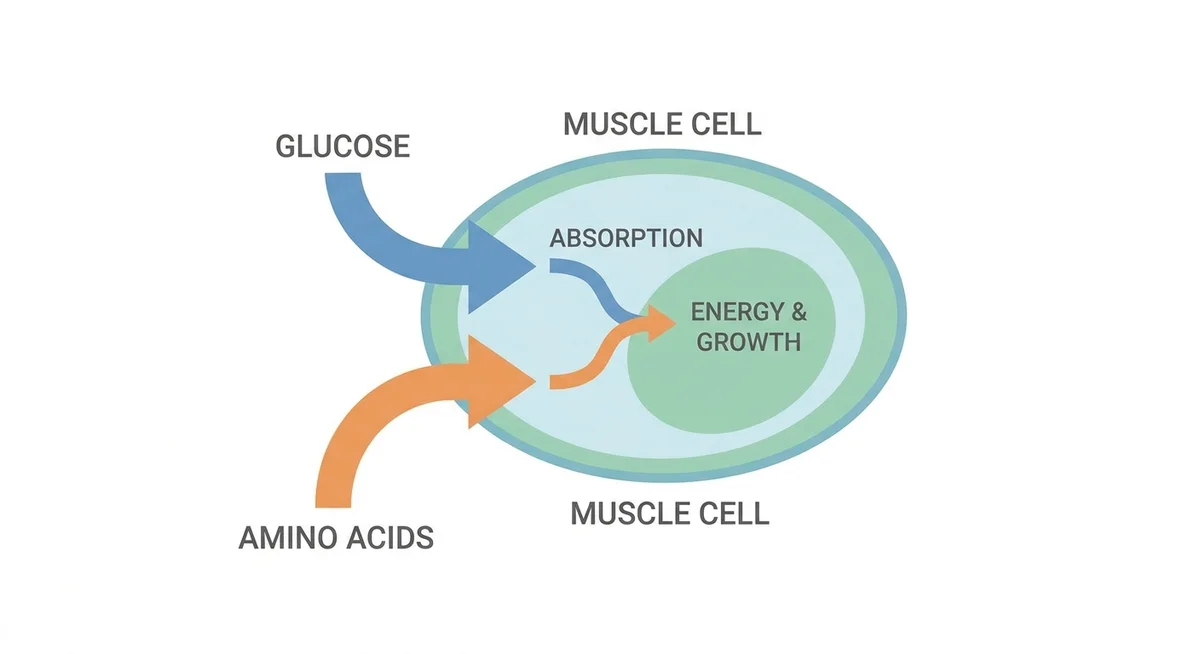
When you train, your muscles break down glycogen (stored carbohydrate) for fuel and sustain micro-damage to the muscle fibres themselves. Both of those things need fixing afterward. Insulin is the hormone that handles a lot of that repair logistics: it drives glucose into muscle cells to refill glycogen stores, and it helps direct amino acids toward muscle protein synthesis rather than letting them wander off as fuel.
Carbohydrates spike insulin. Protein on its own also raises insulin, though more modestly. So the old-school advice to "drink a carb-and-protein shake the second you rack the bar" was built on the idea that you needed to spike insulin hard and fast to get recovery moving.
Research from the last decade has softened that picture a bit. The post-workout "anabolic window" is real but wider than a 30-minute slot. Most studies now put it at anywhere from one to two hours after training, and some data suggests it stretches further if you trained in a fed state. The urgency was overstated. What still holds up: eating enough protein and enough total carbs across your day is the part that actually drives results.
Does adding carbs to WPI 90 make a real difference?
This depends almost entirely on how much glycogen you burned and how soon you train again.
| Training type | Glycogen used | Post-workout carbs needed? | Suggested approach |
|---|---|---|---|
| 30-60 min strength session | Low to moderate | Not urgent | WPI 90 shake, eat a balanced meal within 1-2 hours |
| 60-90 min hypertrophy session | Moderate | Helpful but not essential | WPI 90 + 30 g carbs (banana or oats), or just a prompt meal |
| 90+ min endurance or HIIT | High | Yes, meaningful difference | WPI 90 + 40-60 g fast carbs within 45 minutes |
| Two-a-day training | Very high, repeated | Yes, critical | WPI 90 + 60 g carbs immediately, then a full meal within 2 hours |
For a standard gym-goer doing four 60-minute lifting sessions a week, the difference between having WPI 90 alone and having it with a banana is pretty marginal over the long run. Your body has 24 hours before the next session to top up glycogen from normal meals. The more important variable is total daily protein intake, which is where figuring out your actual protein target pays off far more than fussing over the shake's macros.
For endurance athletes, cyclists, or anyone doing two sessions in a day, the math changes. You've got a short window to restore glycogen before the next bout of work, and getting carbs in fast (along with your protein) meaningfully shortens recovery time.
What carbs actually work best in a post-workout shake?
The supplement industry pushed fast-digesting carbs like dextrose and waxy maize for years, on the theory that a rapid glucose spike would spike insulin harder. The research on this is less convincing than the marketing. For most training loads, the speed of carb digestion post-workout makes almost no measurable difference. A banana, a serving of oats blended into the shake, or even a piece of fruit eaten alongside your shake all work fine.
Fast carbs (dextrose, white rice, banana)
- Faster insulin response
- Good for two-a-day athletes who need rapid glycogen reload
- Can cause a blood sugar dip if you're sensitive
- Dextrose is often expensive and adds nothing for casual training loads
Slower carbs (oats, sweet potato, fruit with fibre)
- More sustained glucose release
- Better for most gym-goers and moderate-intensity training
- Easier to eat, tastes better in a shake
- No meaningful disadvantage for single-session trainers
The ratio to aim for is roughly 2:1 to 3:1 carbs to protein for high-volume sessions, and closer to 1:1 for moderate loads. So if you're using a standard 30 g serve of WPI 90, that puts you in the 30 to 60 g carb range for bigger sessions. For shorter lifting sessions, just eating your protein and letting your next meal handle the carbs is perfectly reasonable.
Does the protein source change how well it works with carbs?
Yes, and this is where the quality of your WPI 90 matters. Whey protein isolate digests fast, which means its amino acids hit the bloodstream quickly. When you pair that with carbohydrates (and the resulting insulin spike), you get a very efficient delivery window: glucose and amino acids arriving together, insulin elevated to shuttle both into muscle tissue at the same time.
Lower-purity protein sources - concentrates with higher fat and lactose content, or plant proteins with incomplete amino acid profiles - digest more slowly and less completely. The co-ingestion effect with carbs is less clean. If you've ever read about how WPI 90 compares to plant protein on absorption and amino acid completeness, the post-workout pairing story is part of the same picture: a faster, more complete protein works better in the narrow window where pairing matters.
The leucine content specifically deserves a mention here. Leucine is the amino acid that triggers muscle protein synthesis, and WPI 90 is naturally high in it. When leucine arrives alongside elevated insulin (from the carbs you just ate), the signalling environment for muscle repair is about as good as it gets. That's the actual mechanism behind the "protein and carbs together post-workout" recommendation.
What about body composition goals?
If fat loss is the priority, the carb-plus-protein shake has one practical downside: extra calories. A banana adds about 90 calories. Oats add more. For someone eating at a modest deficit, those calories might matter. The good news: for fat-loss goals with moderate training, WPI 90 alone post-workout is perfectly adequate. You don't need the insulin spike to preserve muscle on a deficit - you just need enough total daily protein to protect lean tissue, and you need to hit it consistently.
For muscle-building goals, the extra carbs are useful and the calories are welcome. There's no conflict there.
Frequently asked questions
How long after training do I need to have my WPI 90 shake?
For most people, within one to two hours covers it. The post-workout window is real but it's not 20 minutes. If you trained in a fed state (ate a meal two to three hours before), the window is even more relaxed. The priority is getting a quality serve of protein in before the day runs away from you, not sprinting to the shaker the moment you finish your last set.
Can I just eat a meal instead of a shake?
Absolutely. A meal containing 30 to 40 g of high-quality protein and a moderate carb serving does the same job. Shakes are convenient, not mandatory. The reason most people use them post-workout is speed and portability, not some unique biological property that food can't replicate.
What's the ideal protein-to-carb ratio after lifting?
For a standard 60-minute strength session, somewhere between 1:1 and 1:2 (protein to carbs) is a reasonable target. So 30 g of WPI 90 with 30 to 60 g of carbs covers the range. For endurance sessions or two-a-days, push toward the higher end. For shorter sessions, the ratio matters less than just hitting your total daily numbers.
Does it matter what liquid I mix the WPI 90 with?
Mixing with milk adds protein and some carbs naturally, which is a simple way to get both macros in one go. Full-cream milk adds fat too, which slows digestion slightly - not a problem for most sessions, but worth knowing if you're specifically trying to fast-track glycogen reload after a long endurance effort. Water keeps the shake pure and the absorption fast. Either works for the majority of training scenarios.
Why the quality of your WPI 90 actually matters hereSee how our protein is made and what sets it apart from the shelf-filler alternatives.