Beyond the Buzzwords: What Actually Makes WPI 90 the Gold Standard of Whey Protein
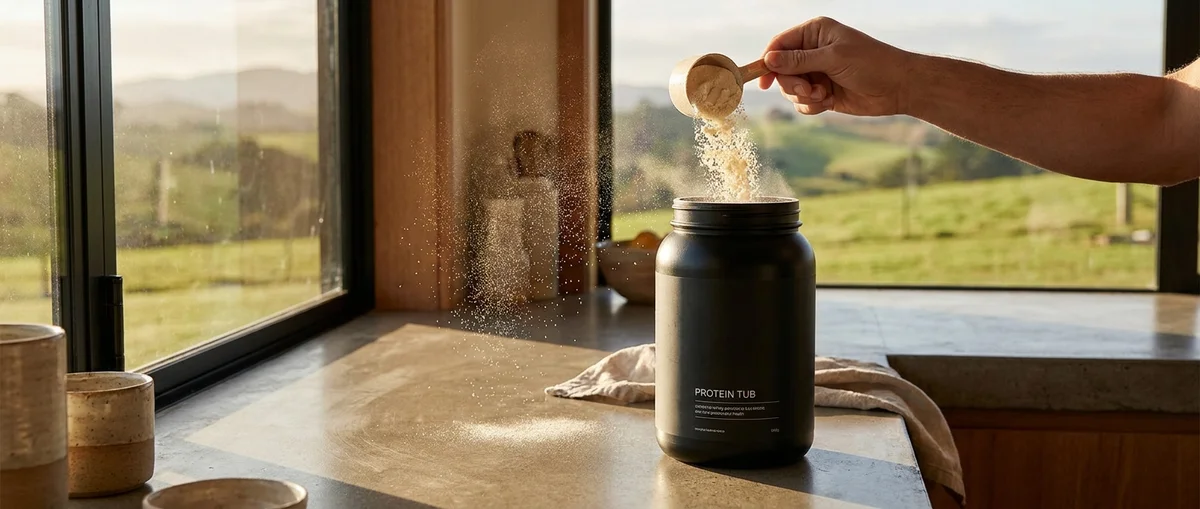
Walk down any supplement aisle and the wall of protein tubs looks pretty much identical. Bright labels, big numbers, promises about gains and recovery and lean muscle. But behind all that marketing noise, there's a real story about what's actually inside those tubs. And spoiler: not all whey protein is created equal.
Whey Protein Isolate 90, or WPI 90, sits at the top end of the whey world. It's the result of a longer, more careful production process, and the numbers on the label aren't just for show. For anyone who's ever wondered what the difference between whey concentrate, isolate, and hydrolysate actually is, or why some powders feel smooth in water while others taste like wet chalk, this one's worth a read.
So What Is Whey Protein, Really?
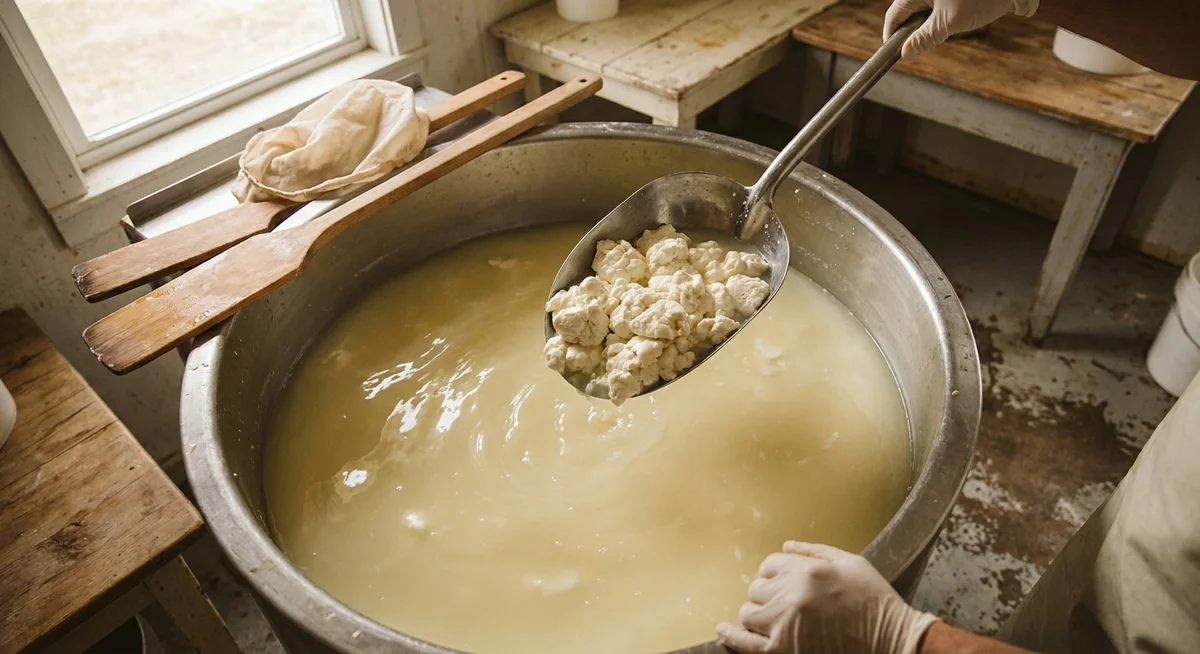
Whey starts its life as a byproduct of cheesemaking. When milk is curdled, it splits into two parts: the thick curds that become cheese, and the watery liquid left behind, which is whey. For most of human history, that liquid was either fed to pigs, poured back into the soil, or chucked out. Then someone figured out it was packed with complete protein, branched-chain amino acids, and all the bits the body loves for muscle repair and recovery.
That liquid whey is mostly water though. To turn it into something useful as a supplement, it needs to be filtered, concentrated, dried, and refined. How far that refinement process goes is what determines whether you end up with a basic concentrate or a premium isolate.
The Three Main Types of Whey
- Whey Protein Concentrate (WPC): Typically 70 to 80 percent protein by weight. Still contains a fair bit of lactose, fat, and carbs. Cheaper to produce, easier on the wallet, but heavier on the stomach for some people.
- Whey Protein Isolate (WPI): Filtered further to reach 90 percent protein or higher. Almost no lactose, minimal fat, and a much cleaner amino acid profile per gram.
- Whey Protein Hydrolysate (WPH): Isolate that's been partially broken down using enzymes for faster absorption. Often used in medical and infant nutrition. Tastes notoriously bitter.
WPI 90 is the sweet spot for most people who care about quality without needing the hospital-grade speed of a hydrolysate.
From Liquid Whey to Premium Powder
The journey from a dairy farm to a sealed tub of protein is more technical than most people imagine. It's not just whey poured into a drying machine and bagged up. Each step in the process either preserves or destroys the things that make whey worth taking in the first place.
Step One: Pasteurisation and Separation
Raw milk gets pasteurised, then separated into cream and skim milk. The skim is what heads into cheesemaking, where rennet and cultures cause it to curdle. The leftover liquid whey is then collected for further processing.
Step Two: Filtration
This is where the magic happens, and where premium isolates earn their stripes. There are two main ways to filter whey:
- Ion exchange: Uses chemical reactions to separate proteins. Effective at boosting protein content but can damage some of the more delicate immune-supporting fractions in whey.
- Cross-flow microfiltration (CFM): Uses a series of ceramic membranes to physically filter out fat, lactose, and other compounds while leaving the protein structure intact. More expensive, gentler, and far better at preserving the bioactive goodies.
The best WPI 90 powders are made using low-temperature, membrane-based filtration. The slower and cooler the process, the better the end product. High heat denatures proteins, which is a fancy way of saying it scrambles their structure and reduces their effectiveness.
Step Three: Drying
Once the liquid is concentrated into a thick protein-rich solution, it gets spray-dried into powder. Even here, quality matters. Aggressive drying temperatures can degrade the protein. Premium manufacturers use carefully controlled spray drying to keep the powder fine, soluble, and biologically intact.
Step Four: Testing
Before any powder leaves the facility, it should be tested for protein content, heavy metals, microbial contamination, and amino acid profile. This is where a lot of cheap products quietly cut corners. Third-party verification is the only real way to know what's inside actually matches what's on the label.
Why WPI 90 Stands Apart
The "90" in WPI 90 refers to the protein content per dry weight of the powder, after moisture is removed. That's a meaningful number, not a marketing flourish. To hit 90 percent and above, the powder has to be almost entirely protein, with barely a trace of lactose, fat, or filler.
Here's what that looks like in practice:
- Less than 1 percent lactose: Great news for anyone with mild lactose sensitivity who still wants the benefits of dairy protein.
- Minimal fat content: Usually under 1 gram per serve, which keeps the macros lean for cutting phases or general calorie awareness.
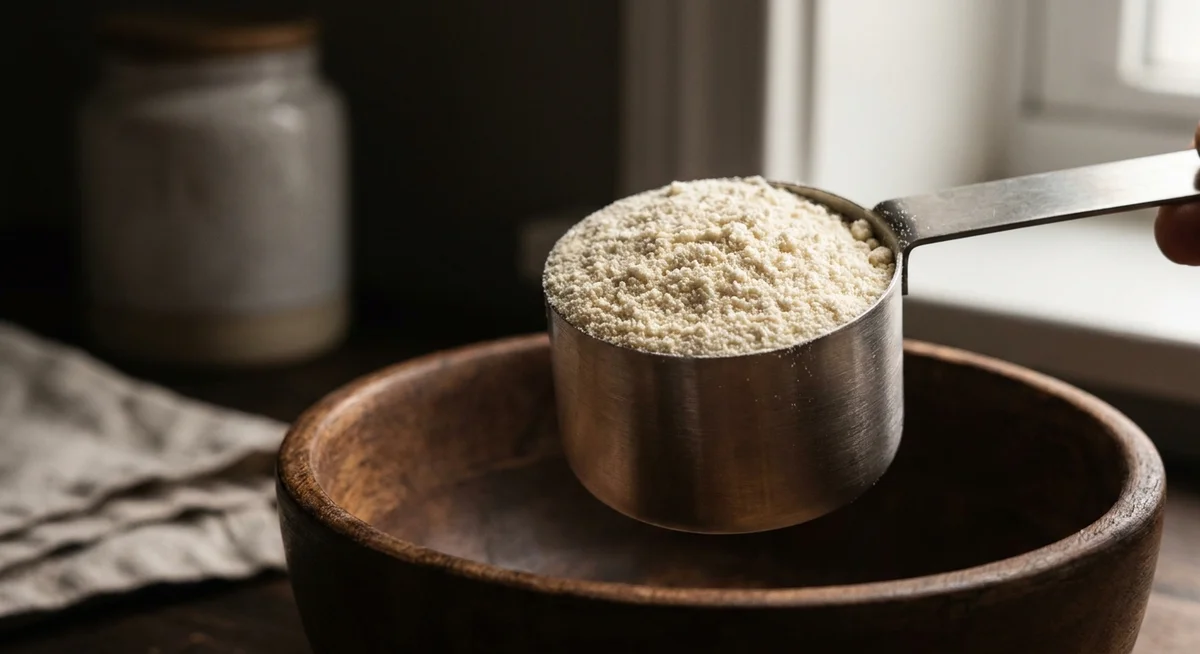
- Higher protein per scoop: A 30 gram scoop of WPI 90 delivers around 27 grams of actual protein. A typical concentrate might deliver 20 to 22 grams from the same scoop size.
- Cleaner taste and texture: Less fat and lactose means a lighter mouthfeel, less foaming, and no heavy aftertaste.
The shorthand version: WPI 90 is what you get when nothing else is allowed to ride along for free. It's the protein, the whole protein, and almost nothing but the protein.
The Benefits of Going Premium
It's easy to assume protein is protein and the cheapest tub will do the same job as the priciest one. The body doesn't quite work that way though. The quality of the source affects how the protein behaves once it's swallowed.
Muscle Repair and Growth
WPI 90 is exceptionally high in branched-chain amino acids, particularly leucine, which is the main trigger for muscle protein synthesis. The higher protein density per scoop means more of the amino acids the body actually uses to rebuild tissue after training.
Easier Digestion
Lactose is the main reason a lot of people feel bloated or sluggish after a protein shake. Strip the lactose out and the digestive complaints tend to disappear with it. For anyone who's blamed dairy on a tender stomach, switching from concentrate to a true WPI 90 often solves the problem entirely.
Faster Absorption
Whey in general is one of the fastest absorbing protein sources available. WPI 90 takes that even further because there's less fat slowing down digestion. Within roughly 30 minutes of drinking it, amino acids are circulating in the bloodstream and ready to get to work.
Supports Immune Function
This one doesn't get talked about as much, but whey contains immunoglobulins, lactoferrin, and other bioactive proteins that support immune health. When the filtration process is gentle enough, these compounds make it into the final powder. When it's not, they get destroyed along the way. Another reason quality processing matters.
Lower Calorie, Higher Value
For anyone watching calories, hitting a protein target with WPI 90 is much more efficient. Fewer calories per gram of protein means more headroom for the rest of the day's food without compromising on intake.
Why Quality Control Actually Matters
Here's the part most labels conveniently leave out. The protein industry is loosely regulated in many parts of the world, and protein spiking, where cheaper amino acids like glycine or taurine are added to inflate the protein content shown on a nitrogen test, is a real and ongoing problem. So is contamination with heavy metals from poorly sourced dairy.
A premium WPI 90 should be able to tell a clear story:
- Where the milk came from, ideally from grass-fed or pasture-raised herds
- How the whey was filtered, with a preference for cold processing and microfiltration
- What testing is done before the product is released
- What is, and crucially what isn't, in the tub beyond the protein itself
Anything vague on those points is worth questioning. The good operators are usually pretty proud of their process and happy to talk about it.
Red Flags on a Label
- A long list of fillers, gums, and artificial sweeteners
- Vague terms like "protein blend" without specifying ratios
- Massive scoop sizes that hide low protein per gram
- No mention of where the dairy comes from
- Suspiciously cheap prices for what claims to be isolate
The Bottom Line
Whey protein isn't a single product. It's a category, with everything from rough industrial-grade concentrate at one end to refined, carefully filtered isolates at the other. WPI 90 sits firmly in the premium end, and for good reason. It takes more time, better equipment, and tighter quality control to get to 90 percent protein without wrecking the good stuff along the way.
For anyone who's serious about training, recovery, or just feeding the body well, the difference between a generic tub and a properly made WPI 90 shows up in the macros, the mouthfeel, the digestion, and the long-term results. It's not about chasing