WPI 90 and Your Immune System: What's Actually in the Scoop

Most people buy WPI 90 to build muscle or hit a protein target. Fair enough. But whey isolate carries a handful of bioactive proteins that your immune system actively uses, and most labels never mention them. Understanding what those proteins are, and whether they survive filtration, helps you pick a powder that does more than one job.
Key takeaways
- Whey contains bioactive proteins, including lactoferrin, immunoglobulins, and beta-lactoglobulin, beyond just the amino acids your muscles use.
- Cold-processing methods preserve more of these fragile proteins than heat-based ones.
- WPI 90's ultra-low fat and lactose content means these immune proteins are more concentrated per gram than in concentrate.
- Consistent daily protein intake supports immune cell production, not just muscle repair.
- The difference in immune-supportive bioactives between a quality WPI 90 and a cheap concentrate is real, but the processing method matters as much as the protein type.
What bioactive proteins does whey actually contain?
Whey is the liquid that separates from milk curds during cheesemaking. Most people focus on the macro numbers, but whey is a complex mixture with several proteins doing very different jobs in the body.
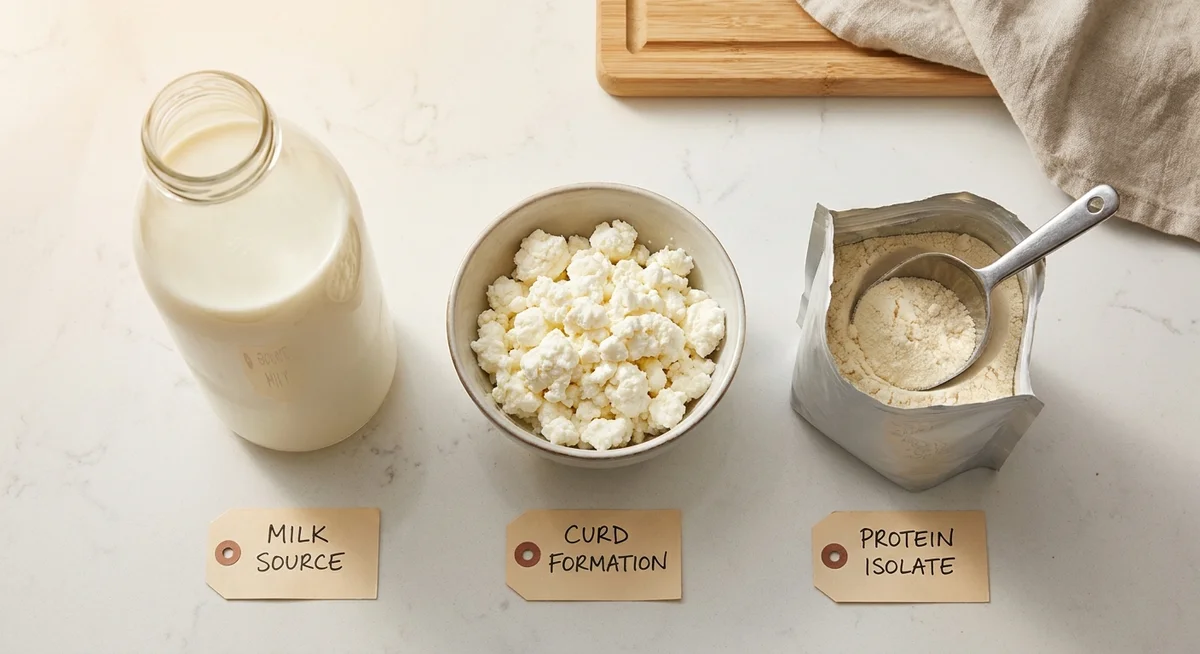
The main ones worth knowing:
- Lactoferrin is an iron-binding glycoprotein found in milk and other bodily fluids. It has well-documented antimicrobial and anti-inflammatory properties. It binds iron in a way that starves certain bacteria of the mineral they need to multiply, and it modulates immune cell activity directly.
- Immunoglobulins (IgG, IgA, IgM) are antibodies. Bovine whey contains several classes that can help neutralise pathogens in the gut, even if they don't cross into systemic circulation intact. They make up roughly 10-15% of total whey protein by weight.
- Beta-lactoglobulin is the most abundant whey protein and is the primary carrier of fat-soluble vitamins A and D through the gut wall. It's also the most heat-sensitive, which matters when you're comparing processing methods.
- Alpha-lactalbumin is rich in tryptophan, the amino acid your body converts to serotonin. It also has mild antimicrobial activity and supports gut barrier health.
- Bovine serum albumin (BSA) carries fatty acids and fat-soluble compounds and shows some antioxidant activity.
Together, these proteins make whey more than a protein source. The ratio between them, and how intact they remain after processing, depends almost entirely on how the whey was handled.
Does filtration destroy the immune-active proteins?
This is the question that actually matters for buyers. WPI 90 goes through more processing than concentrate. Does that wipe out the bioactives?
The honest answer: it depends on the method, and temperature is the deciding variable.
| Processing Method | Protein Purity | Bioactive Preservation | Typical Use |
|---|---|---|---|
| Spray-dried concentrate (WPC) | 70-80% protein | Moderate, heat can denature fragile proteins | Budget powders, baked goods |
| Ion exchange WPI | 90%+ protein | Lower, process uses pH extremes that strip lactoferrin and immunoglobulins | High-purity, cheaper to produce |
| Cross-flow microfiltration WPI | 90%+ protein | High, cold mechanical separation keeps bioactive fractions intact | Premium WPI 90 |
| Cold-pressed / low-heat methods | Varies | Highest, minimal denaturation at any stage | Grass-fed, premium specialty powders |
Ion exchange, which uses acid and base washes to isolate protein, is very effective at hitting the 90% protein target but is harsh on lactoferrin and immunoglobulins specifically. Cross-flow microfiltration uses physical membranes and cold temperatures, so the protein profile that comes out the other side is much closer to what went in.
This is why the filtration method used to make your WPI 90 matters beyond just amino acid content. The method shapes the entire protein fraction, not just the purity percentage on the label.
How does consistent protein intake support immune function day to day?
Beyond the specific bioactive proteins, your immune system is a protein-hungry system in its own right. Antibodies are proteins. Cytokines (the signalling molecules immune cells use to coordinate a response) are proteins. The cells themselves, including T-cells, B-cells, and natural killer cells, are built from amino acids.
A low protein intake, even a moderate shortfall over weeks, measurably reduces immune response. Studies in older adults consistently show that people eating below 1g of protein per kg of bodyweight have slower wound healing, poorer vaccine response, and higher infection rates than those meeting their targets.
WPI 90 is not a medicine. But a daily serving of a quality isolate makes it much easier to consistently hit your protein target, especially on days when food intake is rushed or disrupted. Combining WPI 90 with whole food sources gives you both the convenient amino acid hit and the cofactors (zinc, vitamin C, vitamin D) that whole foods carry.

Is WPI 90 better than concentrate for immune support?
Not automatically. A well-processed concentrate made with cold temperatures and careful handling can retain its bioactive proteins reasonably well. A poorly processed isolate can lose most of them.
What WPI 90 does have over concentrate is context. Because isolate strips most of the fat and lactose, the bioactive proteins that remain are more concentrated per gram of powder. You're getting more protein per scoop, so you're also getting a higher dose of intact lactoferrin and immunoglobulins, assuming the processing preserved them.
The protein pyramid breakdown covers the full spectrum from concentrate through to hydrolysate. For immune purposes, the sweet spot is a cold-processed WPI 90 from a manufacturer that's transparent about filtration method. That combination gives you high purity AND preserved bioactives, rather than having to trade one for the other.
FAQ
Does whey protein directly boost the immune system?
Whey contains bioactive proteins with proven immunomodulatory properties, particularly lactoferrin and immunoglobulins. These proteins don't function like a drug, but they do support immune cell activity and gut barrier health. Consistent protein intake also keeps your immune system supplied with the amino acids it needs to build antibodies and immune cells every day.
Can I get these immune benefits from a cheap concentrate?
Possibly, but it depends on how the concentrate was made. Heat-treated concentrates often have denatured bioactive proteins that no longer function the same way. A cold-processed concentrate may retain them better. If immune support is a priority alongside muscle protein, check the manufacturer's processing details rather than just the price per serve.
Does cooking or baking with WPI 90 destroy the immune proteins?
Yes. Heat denatures lactoferrin and immunoglobulins fairly quickly, and cooking temperatures are more than enough to do it. If you're using WPI 90 in pancakes or baked goods, you're still getting the amino acids, but the bioactive immune fraction is largely gone. For immune benefits, mix it cold and drink it.
How much WPI 90 do I need per day for immune support?
There's no specific immunological dose, but general recommendations sit around 1.2 to 2g of total protein per kg of bodyweight daily for active adults. One or two serves of a quality WPI 90 as part of a mixed diet that includes whole food protein sources is a practical way to stay in that range without overthinking it.
Try a premium cold-processed WPI 90Made with cross-flow microfiltration to keep bioactive proteins intact from paddock to powder.