WPI 90 for Fat Loss vs. Muscle Gain: Same Powder, Different Game Plan
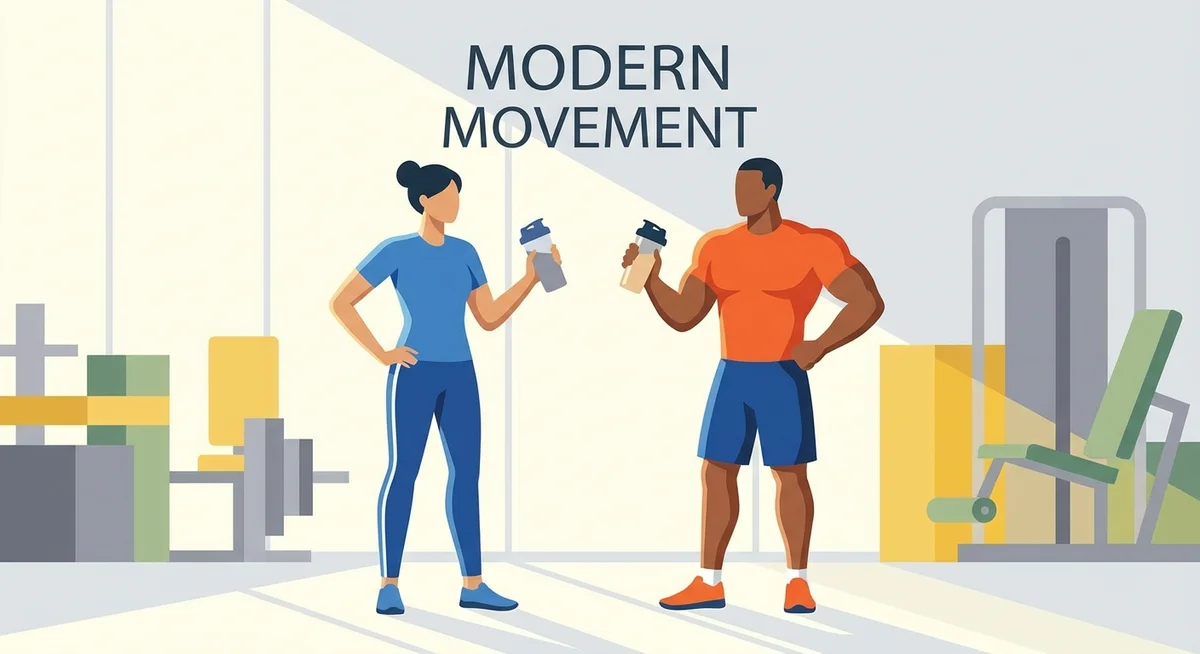
WPI 90 is the same product whether you want to drop body fat or add muscle. The powder doesn't change. What changes is how you fit it into your day, how much you take, and what surrounds it in your diet. Getting that context right is the difference between paying for a premium protein and actually getting the result you're after.
Key takeaways
- WPI 90's high protein-per-gram ratio makes it useful for both fat loss and muscle gain, just in different ways.
- For fat loss, protein keeps you full and protects muscle tissue while you're in a calorie deficit.
- For muscle gain, adequate daily protein combined with training stimulus is what drives growth.
- Timing and total daily intake matter more than any single scoop.
- Because WPI 90 is so low in fat, carbs, and calories, it fits into almost any approach without derailing macros.
Why does protein matter differently for fat loss vs. muscle gain?
Protein does two things that matter regardless of your goal: it builds and repairs muscle tissue, and it keeps hunger in check longer than carbs or fat. But the priority flips depending on which direction you're headed.
When you're cutting calories, the main job of protein is to hold onto the muscle you already have. A calorie deficit puts your body under mild stress, and without enough protein in the mix, it will start burning muscle for fuel alongside fat. That's the worst outcome - you end up smaller but not actually leaner in the way you wanted. High-protein diets during a cut are well-documented for preserving lean mass while fat drops.
When you're building muscle, protein provides the raw material for growth. Training breaks muscle fibres down; protein (specifically the amino acids inside it) rebuilds them thicker and stronger. Without enough coming in daily, training is basically just wear and tear with no payoff.
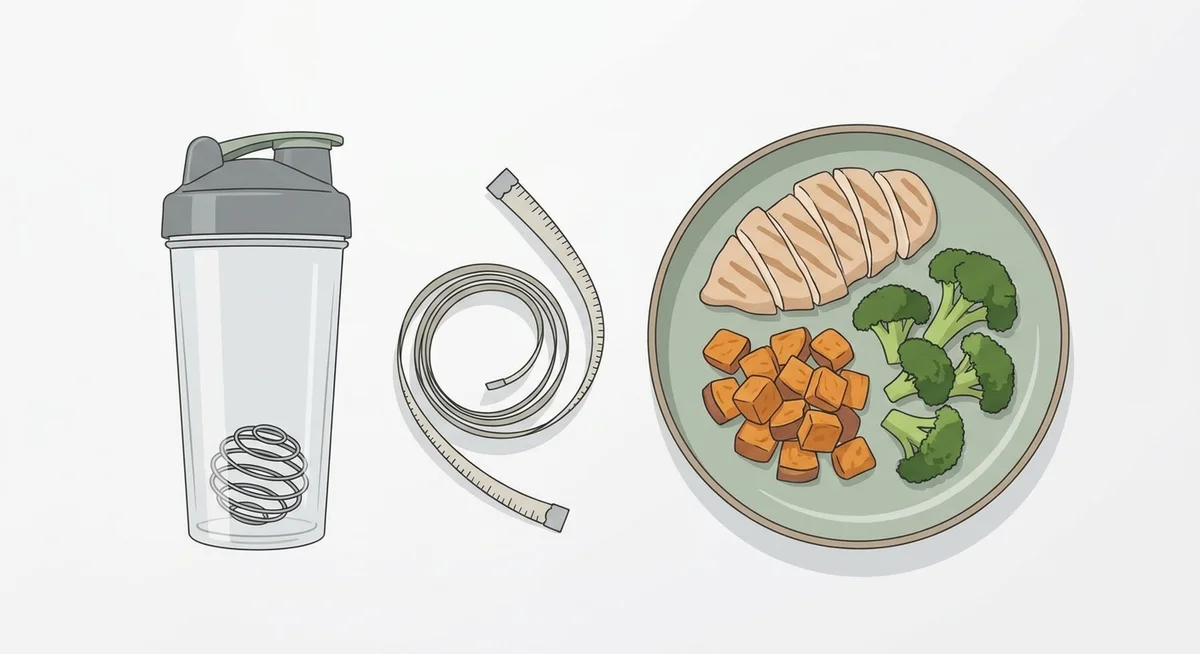
How do you use WPI 90 specifically for fat loss?
The short answer is: use it to hit your protein target without blowing your calorie budget. That's where WPI 90 earns its keep over cheaper powders.
A standard scoop of quality WPI 90 delivers around 27-30g of protein with very little fat and almost no carbohydrates. Compare that to a standard concentrate which might give you 20-22g of protein alongside 5-8g of fat and 5-10g of carbs. When every calorie counts, that difference stacks up across a week.
| Goal | Daily protein target | When to use WPI 90 | Key priority |
|---|---|---|---|
| Fat loss | 2.0-2.4g per kg of bodyweight | As a meal bridge or post-training | Hit protein target within a calorie deficit |
| Muscle gain | 1.6-2.2g per kg of bodyweight | Post-training and between meals | Consistent daily protein across the whole day |
| Body recomposition | 2.2-2.6g per kg of bodyweight | Post-training, morning, and before bed | Maximise protein distribution across meals |
For fat loss specifically, a WPI 90 shake works well as a high-protein, low-calorie bridge between meals when hunger starts creeping in. It's not a meal replacement - don't think of it that way - but it can hold you until a proper meal without the calorie cost of snacking on something processed.
Post-training during a cut is the other key window. Your muscles still need repair after a session, even when calories are low. Getting 25-30g of fast-absorbing protein in quickly after training tells your body there's enough material available to maintain muscle, rather than cannibalising it. The timing window matters here, and WPI 90's absorption speed is one of its practical advantages.
How do you use WPI 90 for muscle gain?
Building muscle has more flexibility around calories - you're not restricting them, so fitting protein in is less of a puzzle. The goal shifts to hitting a consistent daily total and spreading it across enough meals to keep muscle protein synthesis ticking over through the day.
Research on protein distribution suggests that spreading your intake across 3-5 meals (rather than front-loading it all at breakfast and dinner) keeps the signal for muscle building more consistent. A shake post-training and another in the afternoon, alongside food-based protein at each meal, is a simple way to hit the numbers without obsessing over it.
For gaining, WPI 90's complete amino acid profile - particularly its leucine content - is what makes it worth prioritising over a cheaper protein source. Leucine is the amino acid that flips on muscle protein synthesis most directly, and WPI 90 delivers it in meaningful amounts per scoop. You can get protein from a lot of sources, but not all of them move the needle on muscle building equally.
What about body recomposition?
Recomposition means losing fat and gaining muscle at the same time. It's slower than pursuing either goal separately, but it's absolutely real for most people who are newer to training, returning after a break, or carrying more body fat than they want.
Protein requirements for recomposition tend to be higher than for either goal in isolation, because you're simultaneously protecting existing muscle and giving your body material to build new tissue - while being at or near a maintenance calorie level. This is where a high-purity powder like WPI 90 really makes sense: you can get a lot of protein without eating a lot of food, which is the central constraint of recomposition.
WPI 90 for fat loss
- Keeps calories low while hitting protein targets
- Reduces hunger between meals
- Protects lean muscle in a deficit
- Fast absorption post-training
WPI 90 for muscle gain
- High leucine content drives muscle protein synthesis
- Easy to add calories around it (oats, fruit, milk)
- Consistent daily protein without food fatigue
- Mixes easily into post-workout shakes
Does the quality of WPI 90 actually change the outcome?
Yes, and this is the part that gets glossed over in most conversations about protein. Two tubs both labelled "WPI 90" can have meaningfully different protein content per scoop if one of them includes fillers, uses lower-grade manufacturing, or misrepresents serving sizes on the label.
The 90 in WPI 90 refers to the percentage of protein by weight in the powder. A genuine WPI 90 should deliver close to 90% protein per 100g - meaning a 30g scoop should have around 27g of actual protein. Some products on the shelf fall significantly short of that, which means you're paying for protein and getting something else instead.
Reading the label properly is the simplest way to check you're getting what you paid for. Look at the per-100g column, not just per-serve. If protein sits below 85% by weight, it's not a true WPI 90 regardless of what the branding says.
For both fat loss and muscle gain, protein quality changes the equation: you need less volume to hit the same target, you get a better amino acid profile per gram, and you're not eating filler calories that push you off your numbers. That's why sourcing matters.
Frequently asked questions
Can I use WPI 90 on rest days?
Yes. Muscle protein synthesis doesn't only happen on training days - your body is still repairing and rebuilding between sessions. Hitting your daily protein target on rest days is just as important as on training days. A shake on a rest day is perfectly normal and useful, especially if you're finding it hard to hit your numbers through food alone.
How many scoops per day should I take?
That depends on your total daily protein target and how much you're getting from food. Most people find one to two scoops covers the gap between food protein and their target. More than that usually signals that your food choices aren't carrying enough protein, which is worth fixing at the food level rather than just adding more shakes.
Is WPI 90 better than regular whey for fat loss?
In practical terms, yes. WPI 90's lower fat and carb content means you get more protein per calorie compared to a whey concentrate. When you're managing a calorie deficit tightly, that difference is real. You can hit the same protein target with fewer calories, which gives you more flexibility with the rest of your diet.
Should I take WPI 90 before or after training?
Post-training is the most consistent recommendation because that's when your muscles are primed to use protein for repair and growth. That said, pre-training can also work if you train fasted or it's been several hours since your last meal. The total daily intake matters more than any single timing decision, but if you're only taking one scoop per day, post-training is the right call.
Explore our premium WPI 90Made from grass-fed dairy. 90% protein by weight. No fillers.