How to Read a Whey Protein Label (And What to Skip)
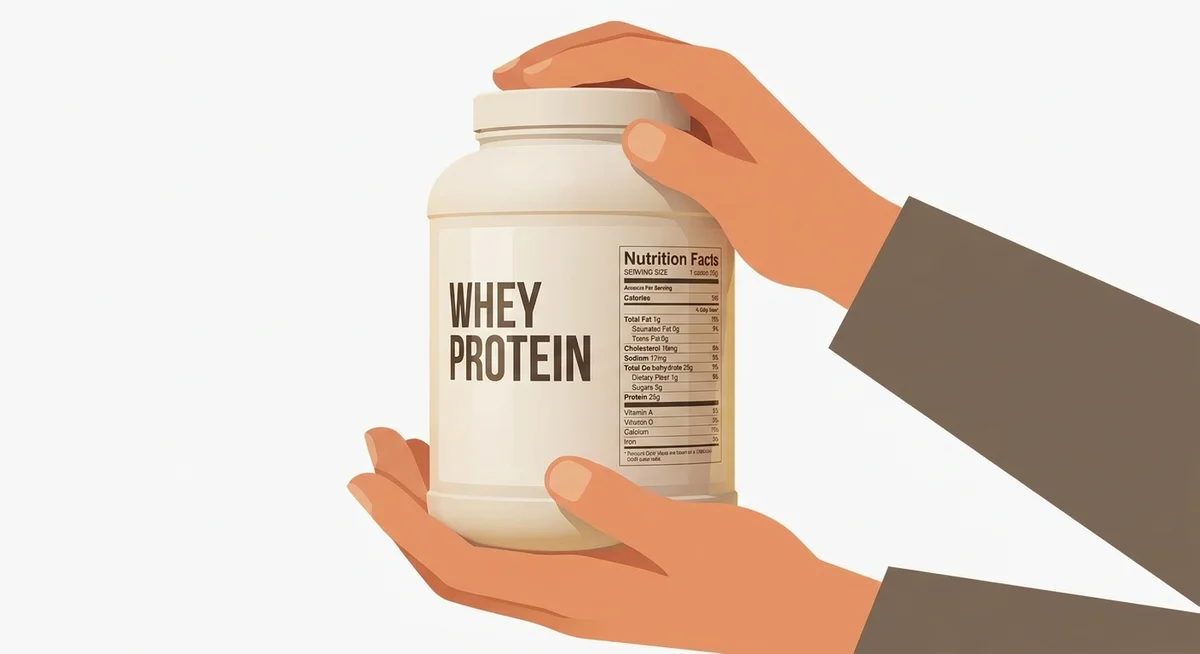
Pick up any whey protein tub and you'll find a label packed with bold numbers, health claims, and ingredient lists that scroll halfway down the container. Most of it looks important. Some of it is. Knowing which is which takes about five minutes to learn - and saves you from paying a premium price for a product that doesn't back it up.
Key takeaways
- Protein per 100g is the single most honest number on any label - look for 85g or higher for a quality isolate.
- Serving size is often manipulated; always convert to per-100g figures before comparing products.
- A short ingredient list is usually a good sign. Long lists with fillers and proprietary blends often hide lower protein content.
- Front-of-pack claims like "high protein" or "lean formula" are marketing. The nutrition panel is what counts.
- WPI 90 should list whey protein isolate as the first and primary ingredient - full stop.
Why does the serving size trick so many people?
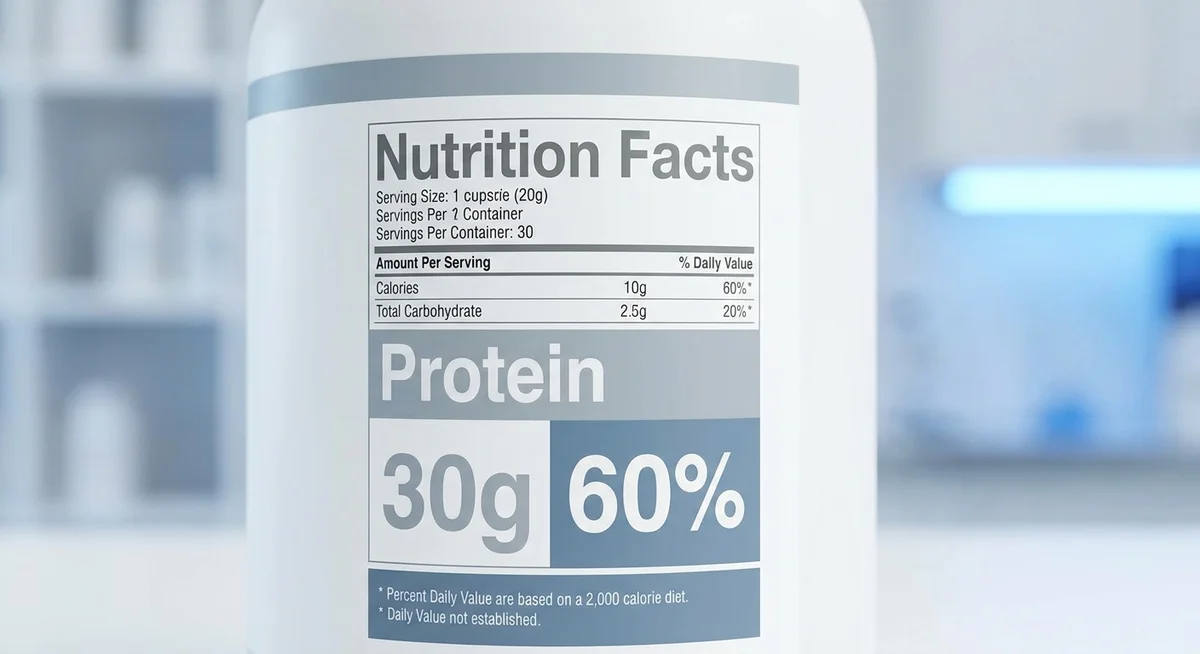
The serving size line is where label maths can get slippery. A brand can set their serving size at 40g and advertise "32g of protein per serve" - which sounds impressive until you realise that's only 80g of protein per 100g of powder. A competitor with 30g per serve at the same 80% protein concentration looks weaker on the front of pack, even though both products are identical by composition.
The fix is simple: always divide protein grams by the serving size in grams and multiply by 100. That gives you protein per 100g - the one number that lets you compare any two products honestly, regardless of how big or small the scoop is.
For a quality WPI 90, you're looking for around 88-92g of protein per 100g. Anything under 80g starts to raise questions about what's filling the rest of the scoop.
What does the ingredient list actually tell you?
Ingredients are listed in descending order by weight. So the first ingredient is the dominant one - and for a genuine whey protein isolate, that first entry should read "whey protein isolate." Not "whey protein blend," not "milk protein," not a string of words before you eventually hit the word "isolate" three lines down.
A short ingredient list is almost always a good signal. A quality WPI 90 might list just whey protein isolate, a flavour, a sweetener, and an emulsifier. That's it. If you're counting eight or more ingredients before you've even hit the active component, the product is spending a lot of its weight budget on things that aren't protein.
| Label element | What to look for | Red flag |
|---|---|---|
| Protein per 100g | 85g or higher (90g+ for WPI 90) | Under 80g with no explanation |
| First ingredient | Whey protein isolate (named clearly) | "Whey protein blend" or vague milk derivative |
| Fat per 100g | Under 3g for a quality isolate | Over 5g suggests concentrate-heavy formula |
| Carbohydrates per 100g | Under 5g (low lactose expected) | Over 8g indicates less filtration |
| Ingredient list length | Short and readable | Long list with thickeners, fillers, proprietary blends |
| Front-of-pack claims | Treat as marketing | Ignore entirely; check the panel instead |
What do fat and carb numbers reveal about the protein?
This is where a label quietly tells you how well the whey was filtered. The whole point of the cross-flow microfiltration and ion exchange processes used to make whey protein isolate is to strip away fat and lactose, leaving concentrated protein behind. The better the process, the lower the fat and carbs will be.
A well-made WPI 90 typically lands under 2g of fat per 100g and under 4g of carbohydrates. If you're seeing fat in the 5-8g range and carbs above 8g, the product is likely leaning on whey concentrate - which is cheaper and less filtered. That's not automatically bad, but it means you're paying for a different product than the label might suggest. Our protein pyramid breakdown covers exactly where concentrate and isolate sit relative to each other, if you want the full picture.
Sodium is worth a quick glance too. A small amount (100-200mg per 100g) is natural in dairy-derived protein. Anything much higher can mean sodium has been added to artificially inflate the "protein equivalent" reading on some cheaper testing methods - a practice that's uncommon but not unheard of.
What about all those "amino spiking" concerns?
Amino spiking (sometimes called nitrogen spiking) became a topic in the supplement world a few years back. The short version: standard protein testing measures nitrogen content and assumes it all comes from complete protein. Some manufacturers add cheap amino acids like glycine or taurine - which are high in nitrogen but far less useful for muscle protein synthesis - to artificially inflate the protein reading on tests.
The label tell here is the ingredient list again. If you see individual amino acids listed separately (glycine, taurine, creatine) alongside "whey protein isolate," that's worth noting. A pure, well-made product doesn't need to pad its amino acid profile with extras - because the natural amino acid profile of WPI 90 is already complete and well-balanced.
Signs of a quality label
- Protein per 100g clearly shown (88-92g range)
- Whey protein isolate listed first
- Fat under 2g and carbs under 4g per 100g
- Short, readable ingredient list
- No proprietary blends hiding the protein source
- No individual amino acids padded into the formula
Signs to think twice about
- Serving size set unusually large to inflate "per serve" numbers
- "Whey protein blend" as the lead ingredient
- Fat over 5g or carbs over 8g per 100g
- Ingredients list longer than a grocery receipt
- Front-of-pack claims that outshine what the panel says
- Added individual amino acids (glycine, taurine, creatine)
Do front-of-pack claims mean anything?
Short answer: not much. Claims like "high protein," "lean," "clean formula," or "naturally sourced" are largely marketing language. Some have loose regulatory definitions; many don't. The nutrition panel and ingredient list are the only parts of a supplement label with any accountability behind them.
The same goes for "protein per serve" figures on the front. A brand can print "28g protein per serve" in enormous type, then quietly set the serving size at 36g (making it 78g per 100g) and you'd never know unless you did the maths yourself. Always flip to the back.
Frequently asked questions
What protein percentage should I look for in a WPI 90?
A product marketed as WPI 90 should deliver around 88-92g of protein per 100g of powder. "90" in the name refers to roughly 90% protein by weight. If the product falls significantly short of that on the nutrition panel, it isn't a true WPI 90 - regardless of what the name or front-of-pack branding claims.
Is a longer ingredient list always a bad sign?
Not always, but it warrants a closer look. Some flavoured proteins need a handful of ingredients to taste good. The issue arises when the list is long and the protein percentage is low - that combination suggests the extra ingredients are taking up meaningful weight. A plain or unflavoured WPI 90 should have a very short list, often four to six ingredients at most.
How do I know if whey concentrate has been mixed in?
Check the ingredient list for both "whey protein isolate" and "whey protein concentrate" appearing together. If concentrate is listed, the product is a blend, not a pure isolate. That's also usually reflected in higher fat and carb numbers on the panel. There's nothing wrong with blends, but you should know what you're buying - especially if you're watching fat, lactose, or total calories closely. The filtration process behind WPI 90 explains why a pure isolate ends up with such different numbers.
What sweeteners are common in quality whey proteins?
Sucralose and stevia are the two most common in flavoured WPI products. Both are used at very low quantities and have extensive safety records. Stevia is plant-derived and suits people who prefer to avoid synthetic sweeteners. Either is fine in a quality product. What to avoid is a long string of sugar-based sweeteners partway down a list that also shows higher-than-expected carbs - that's a sign of a concentrate-heavy formula dressed up as a leaner product.
Try a WPI 90 that shows its workingsCheck the label, check the numbers - Premium WPI 90 with nothing to hide.