When to Take Whey Protein: Timing, Absorption, and Why WPI 90 Fits Every Window
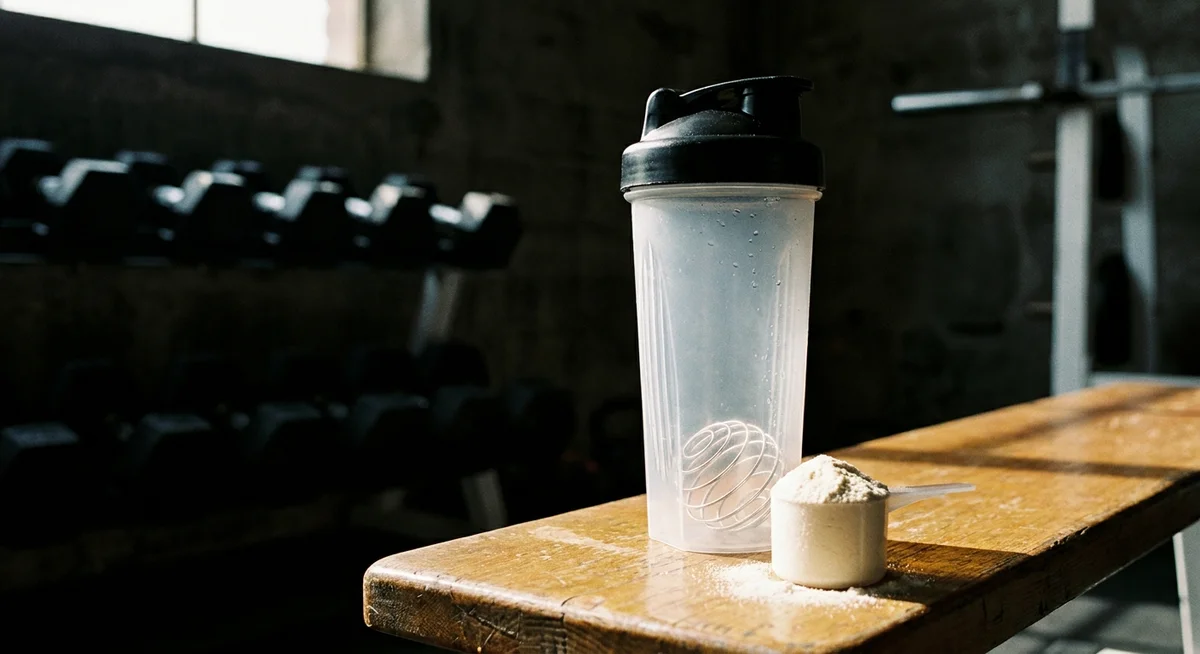
Protein timing gets debated more than almost any other topic in nutrition, but the core answer is simpler than most people expect. The best time to take whey protein is whenever you are most likely to be short on protein for that day. That said, timing does matter at the margins, and understanding how different whey proteins absorb tells you exactly where WPI 90 fits and why it keeps showing up in serious training routines.
Key takeaways
- Whey protein (especially isolate) absorbs faster than any other protein source, making it ideal around training.
- The "anabolic window" is real but wider than the old 30-minute rule suggests, around 2 hours on either side of a session.
- WPI 90's low fat and carbohydrate content means it clears digestion quickly, so it does not slow you down pre-workout or sit heavy post-session.
- Total daily protein intake matters more than any single timing window. Hit your daily target first, then optimise timing.
- Casein is often recommended before bed, but a fast-absorbing protein like WPI 90 works well too if it closes a gap in your daily total.
Does protein timing actually matter?
Yes, but not as much as the supplement industry once implied. For decades, the "anabolic window" was marketed as a narrow 30-minute slot immediately post-workout where your muscles were primed to absorb protein and anything outside that window was wasted. Subsequent research has softened that picture considerably.
A 2013 meta-analysis published in the Journal of the International Society of Sports Nutrition found that total daily protein intake was a far stronger predictor of muscle gain and strength than the precise timing of individual doses. In other words, if you are hitting 1.6 to 2.2g of protein per kilogram of bodyweight each day, getting a shake in within 20 minutes of finishing a set matters a lot less than getting the grams in at all.
That said, training does create a genuine elevated demand for amino acids in the hours around a session. Muscle protein synthesis ramps up during and after resistance training, and having amino acids available during that window does give you a meaningful (if modest) edge. The key word is "available". That is where the type of whey protein you use starts to matter.

How fast does whey protein actually absorb?
Not all protein digests at the same rate. Casein, the other major milk protein, forms a gel in the stomach and releases amino acids slowly over 5 to 7 hours. Whey does the opposite: it stays liquid, passes through the stomach quickly, and delivers a sharp spike of amino acids into the bloodstream within 60 to 90 minutes of drinking it.
Within the whey family, there are further differences depending on how processed the protein is.
| Protein type | Protein % | Fat content | Lactose content | Absorption speed |
|---|---|---|---|---|
| Whey concentrate (WPC 80) | ~80% | Moderate (4–8g per 100g) | Moderate (3–8%) | Fast, but slowed by fat |
| Whey isolate (WPI) | ~85–89% | Low (1–3g per 100g) | Low (under 1%) | Fast |
| WPI 90 | ~90%+ | Very low (under 1g per 100g) | Trace amounts | Very fast |
| Hydrolysed whey | Varies | Very low | Trace amounts | Fastest (pre-digested peptides) |
| Casein | ~80% | Low-moderate | Low | Slow (5–7 hours) |
Because WPI 90 strips out nearly all the fat, carbohydrates, and lactose during the cross-flow microfiltration or ion-exchange process, there is very little in the mix to slow gastric emptying. Amino acids get into circulation fast, which is exactly what you want when you are trying to hit a training window.
Pre-workout: protein before training is more useful than most people think
Most people default to carbohydrates pre-workout and save protein for after. There is logic to that, but protein before training does two things worth knowing about.
First, it raises blood amino acid levels during the session itself, which means muscle protein synthesis has raw material to work with from the moment you start lifting, not just after you finish. Second, for people training first thing in the morning in a fasted state, a pre-workout protein hit can reduce muscle protein breakdown during the session.
The practical catch is that most protein sources feel heavy before training. A large chicken breast or a bowl of Greek yoghurt sits in the stomach, slows you down, and can cause real discomfort during high-intensity work. WPI 90 avoids that problem. Because it is so low in fat and carbohydrates, it digests quickly and does not compete with your body's demand for blood flow during exercise. A 25 to 30g serve about 30 to 45 minutes before a session gives you the amino acid coverage without the heaviness.
Post-workout: this is where timing earns its reputation
The post-workout window is the one most people know about, and it is also the one where the science is clearest. After resistance training, muscle protein synthesis stays elevated for 24 to 48 hours, but the biggest spike happens in the 2 to 3 hours immediately following a session. Getting a decent protein dose in during that window does accelerate recovery compared to waiting until your next main meal.
The standard recommendation is 20 to 40g of a high-quality, complete protein source within about 2 hours of finishing training. Whey isolate consistently performs well in post-workout studies, partly because of its absorption speed and partly because of its amino acid profile. WPI 90 in particular delivers one of the highest leucine concentrations of any protein source, and leucine is the amino acid most directly responsible for triggering the muscle protein synthesis pathway.
A 30g serve of a quality WPI 90 typically provides around 2.5 to 3g of leucine, which sits right at or above the threshold most researchers consider necessary to meaningfully stimulate muscle protein synthesis in trained adults.
Before bed: a question worth asking
The sleep window is where casein gets most of its marketing attention. The argument is that a slow-digesting protein taken before bed feeds your muscles through the night when you are fasting for 7 to 8 hours. The research does support this: studies from Maastricht University showed that pre-sleep casein supplementation improved overnight muscle protein synthesis in trained individuals.
Does that mean WPI 90 before bed is pointless? Not at all.
WPI 90 before bed: works when...
- You are short on your daily protein target and need to close the gap quickly.
- You train late in the evening and want post-workout recovery covered before sleep.
- You find casein hard to digest or dislike the texture.
- Your total daily intake is solid and you are just filling a remaining window.
Casein before bed: works when...
- You have already hit your daily protein target and want to add an extra overnight stimulus.
- You can tolerate the thicker, heavier texture of casein shakes.
- You are in a dedicated muscle-building phase where marginal gains across every window matter.
- You prefer the slower satiety feeling to stop late-night snacking.
For most people training consistently and eating enough protein across the day, the difference between WPI 90 and casein before bed is small. The bigger win is always nailing the total daily target first.
How much protein per serve and how often?
The research on dose is reasonably clear. Individual serves of protein above about 40g do not meaningfully increase muscle protein synthesis further in most people, because the pathway saturates. Spreading protein intake across 3 to 4 meals or shakes through the day, each containing 25 to 40g, is more effective than two large doses.
For someone weighing 80kg with a target of 2g per kilogram (160g protein daily), that might look like: breakfast with 40g, a WPI 90 shake post-workout with 30g, lunch with 40g, and dinner with 50g. The shake fills a practical gap in the schedule without requiring a full meal.
FAQ
Is it okay to take WPI 90 on rest days?
Absolutely. Muscle repair and protein synthesis continue for 24 to 48 hours after a session, so rest days are not protein-free zones. Your daily protein target stays the same whether you trained that day or not. A WPI 90 shake on a rest day helps you hit that target without extra calories from fat or carbohydrates.
Can I take WPI 90 twice a day?
Yes, and many people do. Two shakes a day, each with 25 to 30g of protein, is a practical way to hit daily targets without cooking large protein meals every few hours. Spread them out rather than drinking them back to back for the best effect on muscle protein synthesis through the day.
Does mixing WPI 90 with milk change absorption speed?
It does slow it down slightly, because the fat and lactose in milk extend digestion time. Mixing with water gives you the fastest absorption, which is ideal around training. Mixing with milk adds roughly 8 to 10g of additional protein per 250ml, which can be useful for hitting daily targets on days when appetite is lower.
Is the anabolic window really only 30 minutes?
No. The 30-minute rule was an oversimplification that stuck around in gym culture long after the research moved on. Current evidence points to a window closer to 2 hours on either side of training. Getting your post-workout protein in within that 2-hour period is worth prioritising, but missing the 30-minute mark is not the crisis it was once made out to be.
Try The Whey Co WPI 9090% protein, very low fat, fast absorbing, and made to fit every window in your routine.