What's Actually Inside Whey Protein: The Fractions That Make It Work
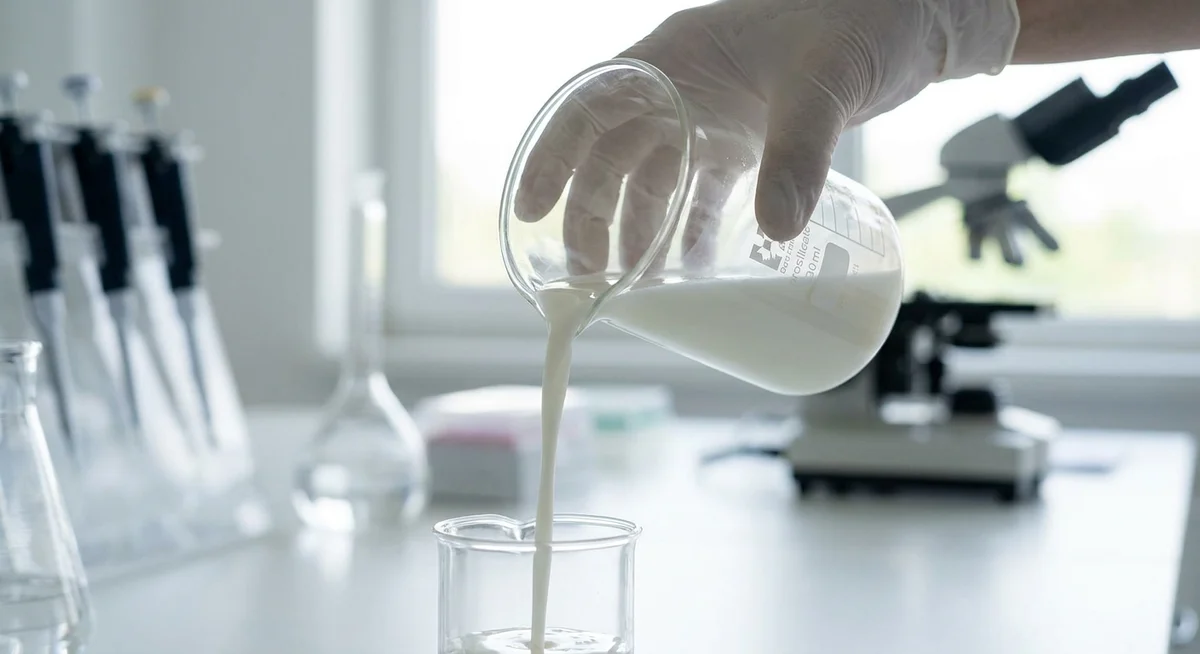
When you buy a tub of whey protein, the label shows you one number: protein percentage. But whey isn't a single molecule - it's a collection of distinct proteins called fractions, each with its own structure, function, and benefit. The ratio and quality of those fractions is what separates a genuinely good WPI 90 from one that just looks good on paper.
Key takeaways
- Whey protein contains at least five major protein fractions, not just one type of protein.
- Beta-lactoglobulin makes up the largest share and drives most of the muscle-building signal.
- Alpha-lactalbumin is the richest natural source of tryptophan and has the highest leucine density of any whey fraction.
- Lactoferrin and immunoglobulins are present in smaller amounts but play real roles in immunity and gut health.
- Harsh processing (especially ion exchange at high pH) degrades the minor fractions first, which is why filtration method matters.
What are whey protein fractions?
Whey is the liquid that drains away when milk is curdled to make cheese. Once you filter out the fat, water, and lactose, what remains is a mix of several distinct proteins. Each has a different molecular weight, amino acid sequence, and biological role. Collectively, they're called fractions - and in a high-quality WPI 90, you get all of them, not just the dominant ones.
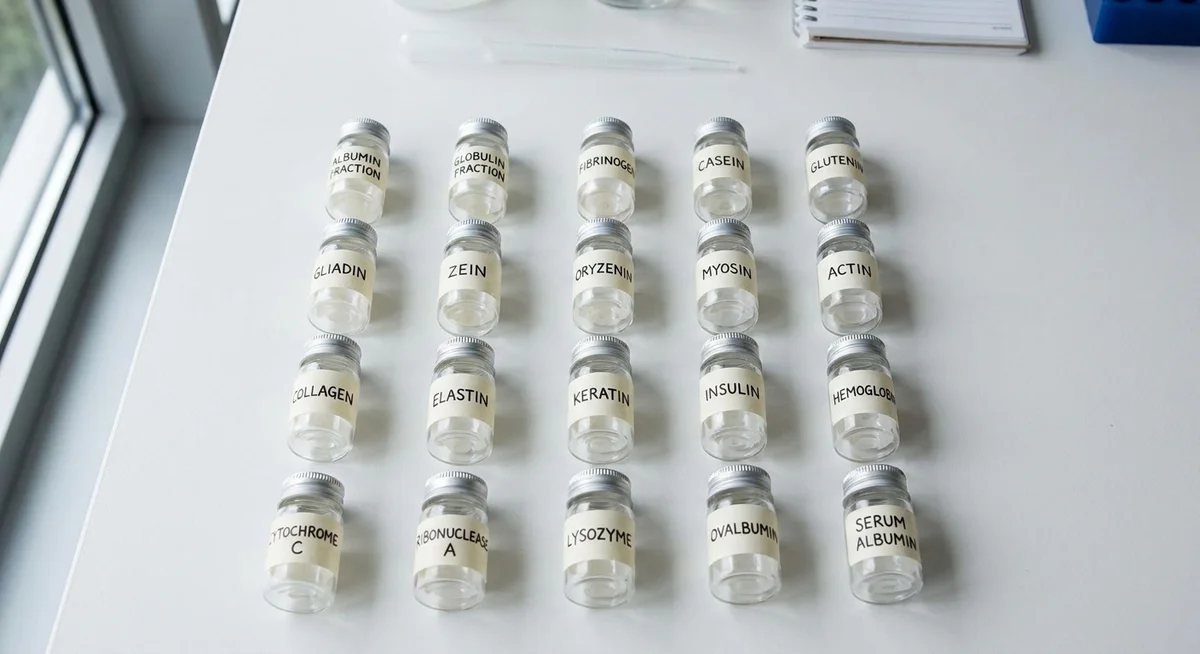
The main fractions found in whey are:
| Fraction | % of Whey Protein | Primary Role |
|---|---|---|
| Beta-lactoglobulin | ~50% | Amino acid delivery, muscle protein synthesis signalling |
| Alpha-lactalbumin | ~20% | High leucine and tryptophan content, antioxidant activity |
| Immunoglobulins (IgG) | ~10-15% | Immune support, gut mucosal defence |
| Lactoferrin | ~1-2% | Iron binding, antimicrobial and anti-inflammatory effects |
| Bovine Serum Albumin (BSA) | ~5% | Fatty acid transport, antioxidant properties |
| Glycomacropeptide (GMP) | ~15-20% | Gut hormone signalling, satiety |
Why does beta-lactoglobulin matter so much?
Beta-lactoglobulin (beta-LG) makes up roughly half of all whey protein and is the primary driver of whey's fast digestion and high leucine delivery. It's a small, globular protein that survives the stomach in reasonable shape and breaks down into amino acids quickly in the small intestine - which is why whey protein hits your bloodstream faster than most other protein sources.
It's also a key reason why whey is so good at triggering muscle protein synthesis. Beta-LG has one of the highest leucine concentrations of any dietary protein, and leucine is the specific amino acid that flicks the switch on the mTOR pathway - the cellular process that tells your muscles to start building. If you've read our breakdown of the leucine threshold and why it matters, beta-LG is a big part of why WPI 90 clears that threshold so comfortably per serve.
What does alpha-lactalbumin actually do?
Alpha-lactalbumin (alpha-LA) is the second most abundant fraction and the one most people have never heard of - which is a shame, because it does some interesting things. It has the highest tryptophan content of any naturally occurring protein, which matters for serotonin production and, by extension, sleep quality. It's also genuinely rich in leucine, cysteine (a precursor to glutathione, your body's main internal antioxidant), and branched-chain amino acids broadly.
What about lactoferrin and immunoglobulins?
These two fractions appear in smaller amounts, but they're not insignificant. Lactoferrin is an iron-binding glycoprotein with well-documented antimicrobial properties. It can bind to bacterial cell walls and disrupt them, and it plays a role in regulating inflammatory responses in the gut. Research into lactoferrin is ongoing, but the evidence for its immune-support role is more solid than most supplement marketing claims you'll encounter.
Immunoglobulins (primarily IgG in bovine whey) are antibodies. In the gut, they bind to pathogens and help the mucosal immune system keep things in check. They're heat-sensitive, which is why this fraction is one of the first casualties of aggressive thermal processing. A whey protein that's been heavily heated or treated with harsh chemicals will have most of its immunoglobulins denatured into inactive shapes.
Glycomacropeptide (GMP) is a fraction that's only present in cheese whey, not acid whey, and it's the only protein that naturally contains no aromatic amino acids - which makes it relevant for people with phenylketonuria (PKU). For everyone else, GMP is notable for stimulating the release of gut hormones like CCK that promote satiety. It's one reason a quality whey shake actually keeps you full for a while, not just for 20 minutes.
How does processing affect these fractions?
This is where quality really separates. The minor fractions - lactoferrin, immunoglobulins, and to a lesser extent alpha-lactalbumin - are the first to degrade when whey is processed at high temperatures or with aggressive chemical treatments.
Gentle filtration (CFM / ultrafiltration)
- Preserves the full fraction profile
- Lactoferrin and immunoglobulins remain largely intact
- Natural pH maintained throughout processing
- Retains native protein structure
- What a genuine WPI 90 should use
Ion exchange processing
- Produces a high protein percentage on the label
- Uses acid and base washes to strip everything out
- Lactoferrin is almost entirely removed
- Immunoglobulin content is dramatically reduced
- Minor fractions sacrificed for headline purity numbers
The irony is that a cheaper, ion-exchange-processed tub can display a higher protein percentage than a cold-filtered WPI 90 - because ion exchange is very efficient at concentrating beta-LG specifically. But you lose the broader fraction profile in the process. You're buying a narrower product that looks impressive on the nutrition panel.
Cross-flow microfiltration and ultrafiltration work at low temperatures without chemical pH manipulation, which keeps the full spectrum of fractions intact. It's slower and more expensive to run, which is reflected in the cost of a genuinely well-made WPI 90. Understanding this is part of knowing how to spot a high-quality WPI 90 before you buy it.
Frequently asked questions
Do I need to worry about specific fractions when choosing a protein powder?
Not in a detailed, fraction-by-fraction way. The practical takeaway is simple: buy a WPI 90 made with cold filtration (cross-flow microfiltration or ultrafiltration), from a reputable source, with a transparent label. That process preserves the full fraction profile automatically. You don't need to track lactoferrin percentages on every tub.
Is lactoferrin worth buying as a standalone supplement?
Standalone lactoferrin supplements exist and the research is genuinely interesting, particularly for immune support. But if you're already using a cold-filtered WPI 90, you're getting meaningful amounts of lactoferrin without buying a separate product. It's one of the quiet benefits of quality whey that rarely gets mentioned on packaging.
Does cooking or baking with whey protein destroy the fractions?
Heat does denature proteins, including the minor fractions. If you're baking with WPI 90, the lactoferrin and immunoglobulins will be largely denatured - but the amino acids are still there, so the core muscle-building benefit remains. Cooking with whey is fine for hitting your protein targets; it just won't deliver the immune-related fractions intact. If those matter to you, mix your shake cold.
Is glycomacropeptide present in all whey proteins?
Only in cheese-derived whey (rennet-coagulated), not acid whey. Most commercial WPI 90 comes from cheese production, so GMP is typically present. If a product is made from acid whey, the GMP content will be negligible. This is rarely disclosed on packaging, which is another argument for buying from a brand that's transparent about its sourcing and processing methods.
See how our WPI 90 is made and what's in every scoopTransparent sourcing, cold filtration, and a full amino acid profile - no shortcuts.