5 Signs Your WPI 90 Is Actually High Quality (And Red Flags to Watch For)
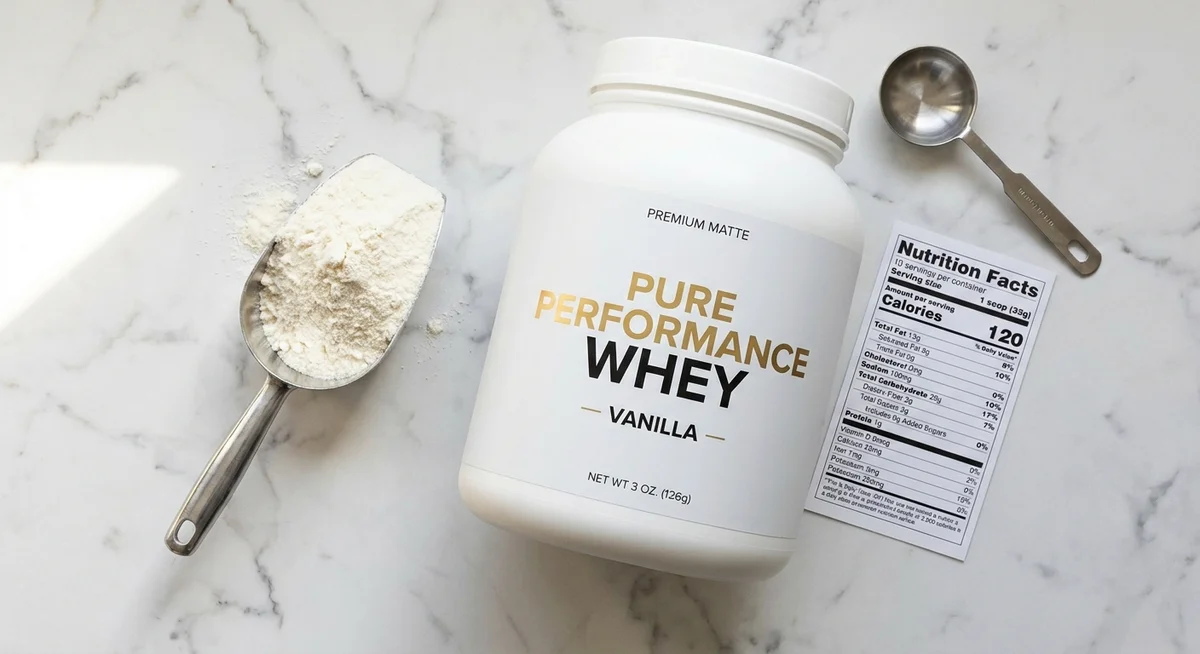
You've decided to buy a WPI 90. Great call. But here's the problem: half the tubs on the shelf claim to be high-quality whey protein isolate, and most of them are not. The labelling rules are loose enough that brands can stretch the truth without technically lying. Knowing what to actually look for takes about five minutes to learn and will save you money every single time you shop.
Key takeaways
- Protein percentage per serve is the single most reliable quality indicator.
- A clean ingredient list is a better signal than a long list of added "benefits".
- Third-party testing separates brands that are serious about purity from those that aren't.
- Cheap fillers and inflated serving sizes are the two most common tricks to watch for.
- Taste and mixability are genuinely useful quality signals, not just marketing fluff.
What does "WPI 90" actually mean?
WPI 90 means whey protein isolate with a protein content of at least 90% by dry weight. That's the benchmark. If a product hits that number consistently, it's been filtered properly and doesn't have significant amounts of lactose, fat, or filler padding out the powder. If it falls short, you're paying isolate prices for concentrate-level purity. Understanding the difference between isolate and concentrate matters a lot here, because the gap in real protein per scoop is bigger than most people realise.
Sign 1: The protein percentage checks out
Flip the tub over and do one calculation. Divide the protein grams per serve by the serving size in grams, then multiply by 100. The result should be 90 or higher for a genuine WPI 90.
| Label claim | Serving size | Protein per serve | Actual protein % | Verdict |
|---|---|---|---|---|
| WPI 90 | 30g | 27g | 90% | Legitimate |
| WPI 90 | 35g | 27g | 77% | Red flag |
| WPI 90 | 30g | 24g | 80% | Red flag |
| WPI 90 | 25g | 23g | 92% | Legitimate |
That middle column is where brands hide things. A bigger serving size can make a mediocre protein percentage look better on a headline number. Always do the maths.
Sign 2: The ingredient list is short
A quality WPI 90 should have whey protein isolate as the first and dominant ingredient. Everything else is a supporting player. Flavours, sweeteners, maybe a thickener. That's it. When you see a list that runs to fifteen or twenty ingredients, start asking why. Extra carb fillers, maltodextrin, "proprietary blends" of amino acids added back in - these are signs the base protein wasn't good enough on its own.
This connects directly to how to read a protein label properly. Once you know what each line means, a good product becomes obvious and a bad one becomes equally obvious.
Sign 3: There's a third-party test behind it
Any brand can type whatever protein percentage they want on a label. Third-party testing means an independent lab verified the claim on actual production batches. Look for references to testing through recognised labs or certification bodies on the brand's website. If the brand doesn't mention testing at all, that's not neutral - it's a gap worth questioning.
What good testing looks like
- Named third-party lab (not just "tested in a certified facility")
- Certificate of analysis available on request or published online
- Batch-level testing, not just occasional spot checks
- Heavy metals and microbiological markers included, not just protein %
Red flags around testing claims
- Vague phrases like "quality assured" with no detail
- Testing done only by the manufacturer's own lab
- No certificates available when you ask
- Compliance claims that reference the country of manufacture rather than an actual standard
Sign 4: It mixes cleanly without clumping
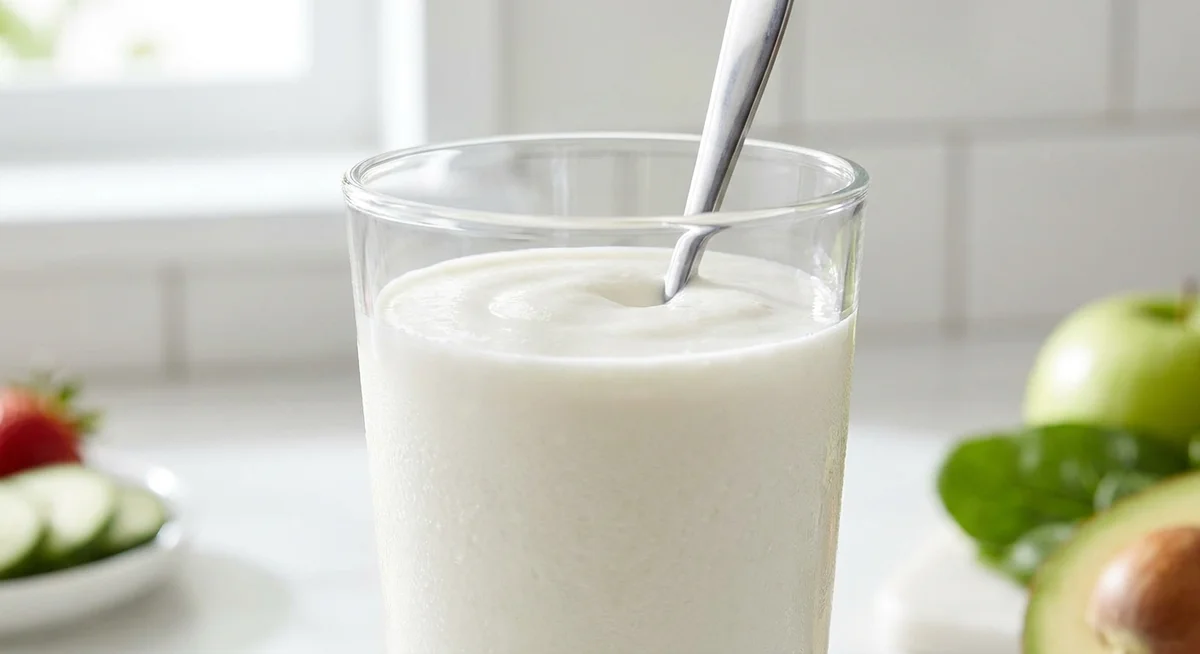
This one surprises people, but mixability is genuinely a quality indicator. High-purity WPI 90 that's been processed correctly dissolves almost completely in water with a short shake. Clumping, grittiness, or a thick film left on the inside of the shaker are signs the powder either wasn't processed well or has fillers and thickeners that behave differently in liquid.
That's not just a texture preference. A powder that mixes poorly often has the same consistency issues in your gut - which partly explains why some protein powders sit heavy or cause bloating. WPI 90's easier digestion profile comes from the processing that also makes it mix better. The two are related.
Sign 5: The brand is transparent about where it comes from
Country of origin for the milk and the manufacturing process are things a confident brand will tell you upfront. Whey sourced from grass-fed cattle in regions with strong dairy farming standards tends to have a more consistent nutritional profile. Brands that bury this information or make it difficult to find are usually doing so for a reason.
It doesn't need to be flashy marketing. Even a straightforward statement on the website - here's where our whey comes from, here's how it's processed - signals that the team behind the product knows their supply chain. If the brand is only talking about flavours and fitness aesthetics, and never about sourcing, be sceptical.
FAQ
Is a higher price always a sign of better quality?
Not automatically. Some expensive products are paying for packaging and marketing, not protein quality. But very cheap WPI 90 should always make you suspicious - proper filtration, quality milk sourcing, and third-party testing all cost money. If a price looks too good for what's being promised, run the protein percentage calculation and check whether testing is mentioned anywhere.
Can I trust the protein content on the label?
Only if the brand uses third-party testing. Self-declared nutrition panels are based on the manufacturer's own data. Independent lab verification is the only way to know whether the number on the front of the tub matches what's actually inside.
What does a "proprietary blend" mean on a protein powder?
It means the brand doesn't have to tell you how much of each ingredient is in the product. For a straightforward protein powder, there's no good reason to hide that information. Proprietary blends are common in pre-workouts where formulas are genuinely competitive - in a protein powder, they're usually just a way to obscure a weak base ingredient.
Does flavour tell me anything about quality?
Yes, actually. A quality WPI 90 has a very mild, slightly milky taste when unflavoured. When flavoured, a good product doesn't need an overwhelming amount of sweetener to taste decent. If a powder is intensely sweet or leaves a strong artificial aftertaste, that often means the base protein has a bitter or off-putting flavour being masked. Flat, clean taste in the unflavoured version is a good sign.
See what a genuine WPI 90 looks likeCheck the protein percentage, ingredient list, and sourcing for yourself.