WPI 90 After 40: Why Protein Quality Matters More as You Age

After 40, your body starts playing by slightly different rules. Muscle is harder to build, easier to lose, and the protein that worked well enough in your 20s may not be cutting it anymore. The good news is that the fix is straightforward: getting enough high-quality protein every day makes a measurable difference, and WPI 90 is one of the most efficient ways to do it.
Key takeaways
- Adults lose 3 to 8 percent of muscle mass per decade after 30, with the rate accelerating after 60.
- Older muscles need more protein per meal to trigger the same muscle-building response as younger ones.
- WPI 90 delivers over 90% protein by weight with fast absorption, which is exactly what an aging muscle needs.
- Leucine content is the key driver of muscle protein synthesis, and WPI 90 is one of the richest sources of it.
- Pairing WPI 90 with resistance training is the single most effective combination for fighting age-related muscle loss.
Why does muscle get harder to maintain after 40?
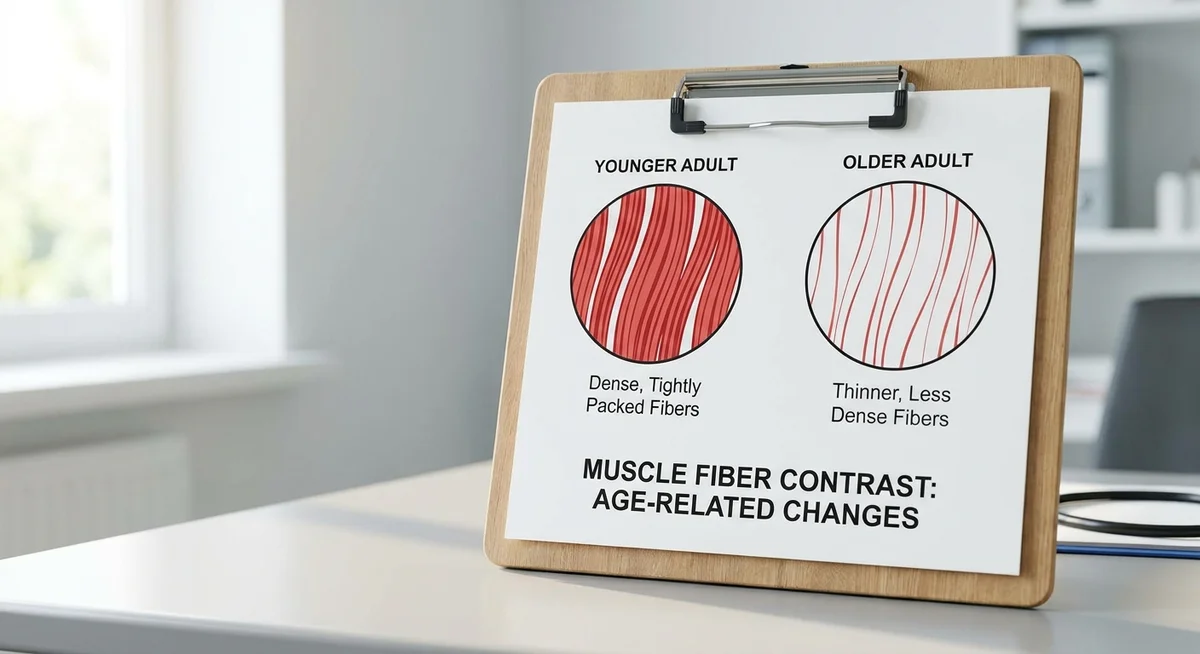
The process is called sarcopenia, and it starts earlier than most people expect. From around age 30, you naturally lose a small amount of muscle every decade. That loss picks up speed in your 50s and 60s. Left unchecked, it can affect your strength, your metabolism, your balance, and your independence later in life.
The mechanism behind it is called anabolic resistance. Younger muscles respond quickly and strongly to protein: eat a decent meal, do some exercise, and muscle protein synthesis switches on reliably. Older muscles are less sensitive. The same protein dose that would have driven solid muscle repair in your 20s may barely move the needle now. You need a larger stimulus, delivered more efficiently, to get the same effect.
That's not pessimistic news, it's actionable news. It tells you exactly what to look for in a protein source.
What makes WPI 90 the right protein for older adults?
Not all proteins respond to anabolic resistance the same way. The research consistently points to three factors that matter most: leucine content, protein concentration per serve, and absorption speed. WPI 90 scores well on all three.
| Protein Type | Protein % per scoop | Leucine content | Absorption speed | Lactose |
|---|---|---|---|---|
| Whey Concentrate (WPC 80) | ~75-80% | Moderate | Fast | Higher |
| Whey Isolate (WPI 90) | ~90%+ | High | Fast | Very low |
| Casein | ~80% | Moderate | Slow | Low |
| Plant protein blends | ~70-80% | Low to moderate | Moderate | None |
Leucine is the trigger
Leucine is the amino acid that flips the switch on muscle protein synthesis. There's a threshold you need to hit per meal for the process to kick in properly, and that threshold is higher for older adults than younger ones. Whey protein in general is one of the best dietary sources of leucine around. WPI 90 concentrates it further by stripping out the fats, carbohydrates, and lactose that dilute the protein in lower-grade products. You get more leucine per gram of powder, and you need less powder to hit the trigger dose.
Absorption speed matters more than people think
Whey is a fast-digesting protein, and that's actually an advantage for older adults. Muscles in a post-exercise state are most receptive to amino acids for a limited window. Getting a concentrated hit of leucine-rich protein in that window, rather than a slow trickle over several hours, produces a stronger anabolic response. A 30-gram serve of WPI 90 delivers that spike cleanly.
Less lactose means fewer gut complaints
Lactose tolerance often decreases with age. Whey concentrate can cause bloating and discomfort for people who are even mildly sensitive. WPI 90 is filtered to the point where lactose is almost entirely removed, so you get the protein hit without the digestive side effects. If you've written off protein powders before because they didn't agree with your stomach, it's worth checking what actually matters with whey and lactose before you write them off entirely.
How much protein do older adults actually need?
The standard recommended daily intake for protein sits around 0.8 grams per kilogram of body weight. Most researchers who study aging muscles now consider that number a floor, not a target. For older adults trying to maintain or build muscle, the evidence points to somewhere between 1.2 and 1.6 grams per kilogram per day, with some studies suggesting up to 2 grams for people doing regular resistance training.
Practically, that means a 75kg person might need 90 to 120 grams of protein a day to stay ahead of muscle loss. Hitting that through food alone is doable but takes planning. One serve of WPI 90 adds 25 to 30 grams of high-quality protein without any particular meal planning effort. That fills a gap that most people's diets leave open.
Distribution matters too. Spreading protein across three to four meals, rather than front-loading it at dinner, gives your muscles more regular signals to synthesise new tissue. A morning or post-workout shake makes that distribution easier to hit consistently. For a deeper look at how to structure your daily protein intake, check out the guide on combining WPI 90 with real food to hit your daily target.
Does exercise still matter?
Yes, and more than ever. Protein without resistance training produces modest results. Resistance training without enough protein produces modest results. Together, they compound. Your muscles need the mechanical stimulus from lifting to trigger repair, and they need the amino acids from protein to carry out that repair. Neither half of the equation works nearly as well without the other.
The good news for people who haven't lifted in years: older adults respond to resistance training very well. You don't need to train like an athlete. Two to three sessions a week covering the main movement patterns (squat, hinge, push, pull) is enough to make a real difference to muscle mass and strength over months. Pair that with consistent protein intake and the maths start working in your favour.

Practical ways to use WPI 90 after 40
The timing and format don't need to be complicated. A few approaches that work well:
- Post-workout shake: Mix WPI 90 with water or milk within an hour of finishing a session. This is when your muscles are most receptive to protein.
- Morning protein boost: Breakfast protein intake is often the lowest of the day. Blending WPI 90 into oats, yoghurt, or a quick shake fixes that with minimal effort.
- Afternoon snack replacement: A protein shake between lunch and dinner helps keep you in a positive protein balance through the day without adding much caloric load.
If you want to nail down exactly how much to take per serve based on your goals and body weight, the breakdown in how to work out your ideal WPI 90 serving size covers the maths simply.
FAQ
Is whey protein safe for people over 60?
For most healthy adults, yes. Whey protein is a food-derived supplement with a long safety record. The main consideration for older adults with kidney concerns is overall protein intake, not whey specifically. If you have existing kidney disease, talk to a doctor before significantly increasing protein. For everyone else, adequate protein is protective, not harmful.
Can WPI 90 help with weight management as you get older?
Yes, in two ways. First, protein is the most satiating macronutrient, so a higher-protein diet naturally reduces appetite. Second, maintaining muscle mass keeps your resting metabolic rate higher, which makes it easier to manage body composition over time. WPI 90 supports both goals because it delivers a concentrated protein dose with minimal added fat or carbs.
How does WPI 90 differ from a standard whey protein concentrate?
Whey concentrate typically contains 70 to 80% protein by weight along with some fat, carbohydrates, and lactose. WPI 90 is filtered further, pushing protein content above 90% and removing most of the lactose and fat. For older adults who want maximum protein per serve and fewer gut issues, that difference is meaningful. The full breakdown is in the protein pyramid article.
What if I've never used protein powder before?
Starting is straightforward. One serve a day, mixed with water or milk, is a good baseline. You're not committing to a complicated regimen. You're filling a protein gap that most people over 40 have without realising it. Pick a flavour you'll actually enjoy drinking and it quickly becomes a habit rather than a chore.
Try Premium WPI 90Over 90% protein per scoop, low lactose, and made for people who take their nutrition seriously.