Cooking With WPI 90: Does Heat Kill the Protein?

WPI 90 works in a shaker. Everyone knows that. But the powder sitting in your pantry can do a lot more than mix with water. Adding WPI 90 to pancakes, oats, baked goods, and savory dishes is a practical way to push your daily protein up without adding another shake to your routine. The only thing people worry about: does cooking ruin it? Short answer is no, and here's exactly why.
Key takeaways
- Heat changes whey protein's shape (denaturation) but does not destroy its amino acid content.
- Cooked WPI 90 still delivers the same grams of protein per serve as raw WPI 90.
- WPI 90 works better in recipes than concentrate because it has less fat and almost no lactose to interfere with texture.
- High, prolonged heat can reduce digestibility slightly, but normal cooking temperatures are fine.
- A few simple rules keep your protein-enriched recipes tasting good and hitting their macros.
What does heat actually do to whey protein?
When you heat whey protein, the protein molecules unfold. This process is called denaturation. The amino acid chain doesn't break apart or disappear; it just changes shape. Think of it like uncoiling a spring. The spring is still there, still made of the same steel, just laid out flat instead of coiled.
Your digestive system breaks whey protein into amino acids regardless of whether those proteins arrived denatured or not. Stomach acid and digestive enzymes do the job either way. So the leucine, glutamine, and branched-chain amino acids in your WPI 90 reach your bloodstream in essentially the same quantity whether the powder went into a cold shaker or a hot pan.
Why WPI 90 works better in recipes than concentrate does
Not all whey powders behave the same in the kitchen. WPI 90's lower fat and near-zero lactose content actually makes it a better cooking ingredient than whey concentrate.
| Factor | WPI 90 in recipes | Whey concentrate in recipes |
|---|---|---|
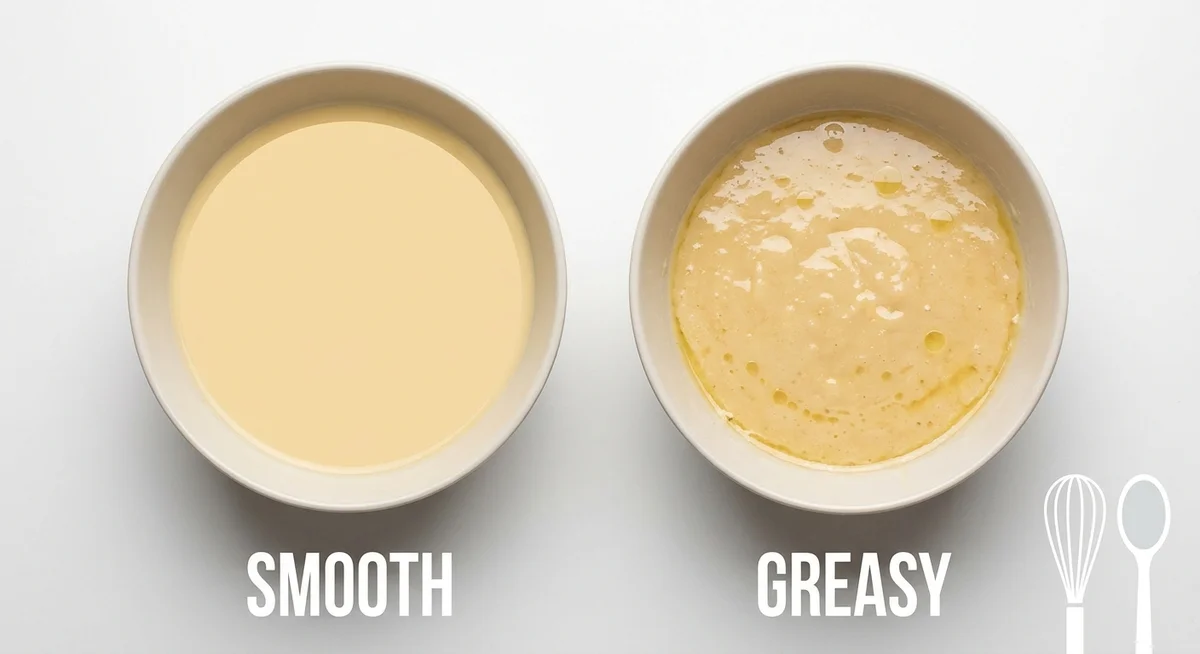
| Texture | Lighter, less dense crumb in baked goods | Can turn denser and greasier due to higher fat |
| Flavor interference | Very neutral, takes on added flavors cleanly | Milkier, can compete with chocolate or fruit flavors |
| Digestive tolerance | Near-zero lactose, kind on sensitive stomachs | Higher lactose, can cause issues for some people |
| Protein per 100g | ~90g | ~70 to 80g |
| Fat per 100g | ~1g | ~4 to 8g |
The purity that makes WPI 90 worth buying as a supplement also makes it a cleaner ingredient in food. Less fat means less interference with how baked goods set. Less lactose means fewer odd textures and no bloating from your morning pancakes.
If you want more on exactly what goes into WPI 90 at a macro level, the maths behind a WPI 90 scoop is a good place to look.
How to actually use WPI 90 in recipes (without wrecking them)
WPI 90 in recipes has one quirk to manage: it absorbs liquid aggressively and can make baked goods dry if you just swap it in cup-for-cup with flour. A few guidelines make the difference between a good result and a hockey puck.
Replace only part of the flour
For most baked goods, swap out no more than 25 to 30% of the flour with WPI 90. Going higher than that makes the texture too dense. If a recipe calls for 1 cup of flour, start with 3/4 cup flour and 1/4 cup WPI 90.
Add a little extra liquid
Because WPI 90 pulls moisture, add an extra tablespoon or two of liquid (water, milk, Greek yogurt) to keep the batter or dough workable. Pancake batter and muffin mix both respond well to this adjustment.
Don't overmix
Overworking batter that contains protein powder tightens the texture fast. Mix until just combined, same rule as standard baking, maybe a touch more gently.
Lower the heat slightly
Protein-enriched baked goods can brown faster on the outside. Dropping your oven temperature by 10 to 15 degrees and adding a couple of minutes to the bake time gives the inside time to cook through without a burnt crust.
The easiest wins
Some recipes just work with WPI 90 added and need almost no adjustment:
- Overnight oats: Stir a scoop into the dry oats before adding milk. The powder hydrates overnight and disappears into the texture.
- Yogurt bowls: Mix half a scoop into Greek yogurt. No heat involved, no denaturation concerns, just more protein.
- Protein balls: Rolled oats, nut butter, honey, and WPI 90. No baking required.
- Smoothies: The original no-cook use case. Frozen banana, spinach, almond milk, one scoop. Done.
- Scrambled eggs: Half a scoop whisked into two eggs before cooking. The flavor disappears. The protein doesn't.
How much protein are you actually adding?
One 30g scoop of WPI 90 delivers roughly 27g of protein. Spread that across a batch of 8 pancakes and each pancake gains about 3.4g of protein over what the base recipe provides. Across a whole day of meals, that kind of quiet stacking adds up quickly without requiring another protein shake.
If you're figuring out your actual daily protein target before deciding how aggressively to supplement through food, the goal-by-goal protein breakdown lays it out clearly.
Best uses for WPI 90 in food
- Overnight oats and hot oatmeal
- Pancakes and waffles (partial flour swap)
- Protein balls and energy bars
- Muffins and protein brownies
- Smoothies and yogurt bowls
- Scrambled eggs or egg muffins
Uses to approach carefully
- Bread loaves (gluten development conflicts with protein powder)
- Cookies as a full flour replacement (usually too dry)
- High-temperature deep frying (unnecessary and messy)
- Sauces that boil for a long time (can thicken unevenly)
FAQ: Cooking with WPI 90
Does cooking WPI 90 denature the protein?
Yes, heat denatures whey protein, meaning the protein molecules unfold. But denaturation does not reduce the protein's amino acid content or make it less useful to your body. Your digestive system breaks it down to amino acids either way. Denaturation happens to most food proteins, including the ones in eggs and meat, and you still count those toward your daily intake.
Can I use WPI 90 in savory recipes?
Yes, with some care. Unflavored WPI 90 works in savory dishes like egg muffins, protein-enriched soups, or homemade wraps. Flavored WPI 90 (vanilla, chocolate) is better kept to sweet recipes where that flavor makes sense. Mixing chocolate WPI 90 into a savory frittata will not end well.
Will baking with WPI 90 change the macros on the label?
The protein grams stay the same after cooking. Fat and carbohydrate content also stays stable. The only thing heat affects is the physical structure of the protein, not the calorie or macro count. What the label says is what ends up in the cooked food.
Is there a difference between flavored and unflavored WPI 90 for cooking?
Unflavored WPI 90 is the more versatile cooking ingredient. It blends into any recipe without adding sweetness or vanilla notes. Flavored versions work well in recipes that suit those flavors, like vanilla WPI 90 in pancakes or chocolate WPI 90 in brownies. Check the whey protein label guide for what to look for when choosing between flavored options.
Grab a bag of WPI 90 and start cookingPremium whey protein isolate with 90%+ protein per scoop, ready for the shaker or the kitchen.