Grass-Fed WPI 90: Does What the Cow Eats Actually Change Your Protein?
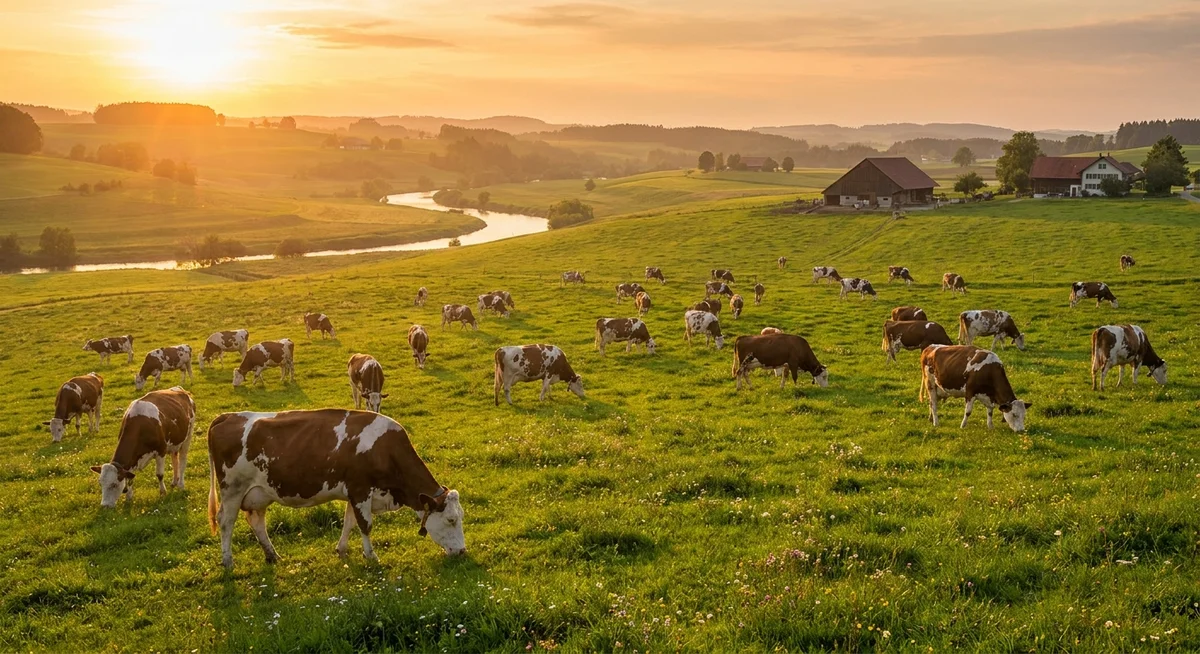
The tub says "grass-fed." The marketing sounds great. But does the cow's diet actually show up in your protein powder, or is it just a feel-good label slapped on to justify a higher price? The honest answer: yes, it matters, but not in every way brands imply. Here's what grass-fed really means for WPI 90 quality, the nutrients affected, and what to look for when you're comparing options.
Key takeaways
- Grass-fed dairy produces whey with a measurably different fatty acid and micronutrient profile compared to grain-fed.
- The protein content and amino acid spread of WPI 90 is largely the same regardless of feed, because filtration is so thorough.
- Omega-3 to omega-6 ratio and CLA levels are the two numbers most affected by pasture grazing.
- "Grass-fed" is not a regulated term in most markets, so sourcing transparency matters more than the label claim alone.
- Australian WPI 90 from year-round pasture-raised herds is among the most consistently grass-fed in the world.
What does "grass-fed" actually mean for a dairy herd?
In a truly grass-fed system, cows spend the majority of the year on open pasture, eating the grass, legumes, and native plants growing in the paddock rather than grain-heavy feedlot rations. The diet shifts with the seasons: fresh spring growth is rich in certain fatty acids and fat-soluble vitamins; dry summer pasture is leaner. Some producers supplement with hay, silage, or small amounts of grain during dry months, which is where the term gets murky.
Countries like New Zealand and Australia are often cited as gold standards for grass-fed dairy because their climate supports year-round grazing. Cows in those regions spend far more days on pasture than their counterparts in Northern Europe or North America, where winter housing and grain feeding are standard practice for months at a time.
How does the cow's diet actually change the whey protein?
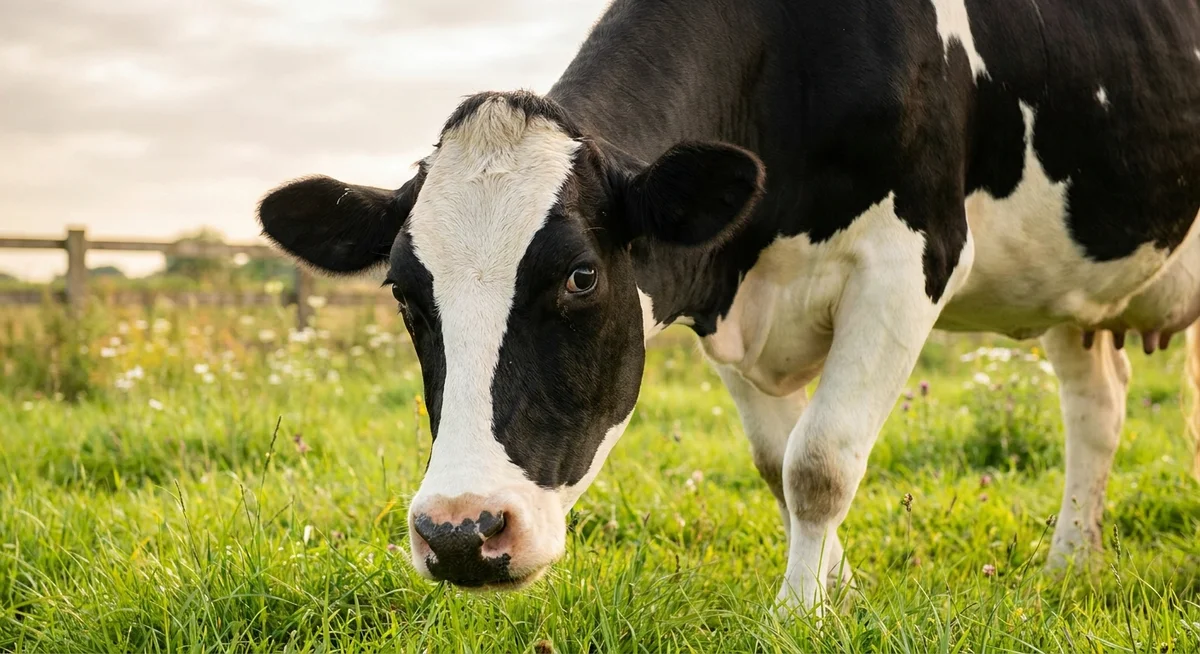
Whey is the liquid left over after milk is coagulated and the curds are separated for cheese. The protein in that liquid, mainly beta-lactoglobulin and alpha-lactalbumin, is largely diet-independent. A grain-fed cow and a pasture-raised cow produce whey with a very similar protein structure and a nearly identical essential amino acid profile. This is worth stating clearly, because some brands imply that grass-fed means more protein per gram, which is not accurate.
Where the cow's diet genuinely shows up is in the fat-soluble components that travel through into the whey fraction before heavy filtration:
| Component | Grass-Fed Whey | Grain-Fed Whey | Why It Matters |
|---|---|---|---|
| Omega-3 fatty acids | Higher (2-5x more in whole milk) | Lower | Anti-inflammatory support, cardiovascular health |
| CLA (conjugated linoleic acid) | Significantly higher | Lower | Body composition, immune function research |
| Vitamin K2 (MK-4) | Higher | Lower | Bone and cardiovascular health |
| Beta-carotene / Vitamin A | Higher (gives butter a yellow tint) | Lower | Antioxidant activity |
| Protein content (per serve) | No significant difference in WPI 90 | No significant difference in WPI 90 | Filtration removes most fat variation |
| Amino acid profile | Virtually identical | Virtually identical | Protein structure is diet-stable |
The catch: WPI 90 filtration processes are designed to strip out fat, lactose, and moisture to concentrate the protein to 90%+. A big chunk of those fat-soluble fatty acids and vitamins are removed in the process. The more aggressive the filtration (and WPI 90 is heavily filtered), the less of the feed-related fat profile survives into the final powder.
So why does grass-fed still matter for WPI 90?
Even after filtration, there are real reasons to care about where the milk comes from:
1. Micronutrient traces that survive filtration
Some immunoglobulins, lactoferrin, and growth factors in whey do appear in higher concentrations in pasture-raised milk. These are minor in terms of total nutrition but they contribute to the overall bioactive profile of the protein. Studies on bovine lactoferrin specifically show it is influenced by the cow's diet and health status, and pasture-fed herds tend to have better overall immune health, which shows up in milk composition.
2. Animal welfare and farming practice
Grass-fed systems generally mean lower stocking densities, more time outdoors, and reduced reliance on antibiotics. For many buyers, this is the primary reason to pay the premium, separate from any nutritional argument. A cow that isn't stressed or overcrowded produces milk more consistently, which flows through to batch-to-batch quality in the powder.
3. The quality signal it sends
Brands that source from certified grass-fed, pasture-raised herds tend to be the same brands putting effort into careful filtration methods, third-party testing, and clean ingredient lists. The grass-fed claim is often a proxy for a broader quality commitment. It doesn't guarantee it, but it correlates more often than not.
Why Australian WPI 90 is worth paying attention to
Australia's dairy industry runs largely on year-round outdoor grazing. The country's temperate climate, particularly in Victoria, Tasmania, and parts of South Australia, means herds can stay on pasture for most of the year without the forced housing periods common in colder climates. This isn't a marketing story; it's geography and climate doing the work.
That consistent pasture access means Australian whey starts life with a better fatty acid profile than most Northern Hemisphere alternatives, and while WPI 90 filtration will reduce some of that advantage in the fat fraction, the base milk quality and the biosecurity standards of Australian dairy are among the highest in the world. When you're picking a WPI 90, knowing the milk comes from Australian pasture-raised cows is a meaningful data point, not just a nice story on the label.
What to look for when buying grass-fed WPI 90
Good signs
- Milk sourced from Australia, New Zealand, or Ireland (high year-round pasture access)
- Specific farm or region named on the packaging
- Third-party certification (Certified Grass-Fed, Pasture Promise, or equivalent)
- Brand transparency about filtration method and testing
- Short ingredient list with no added fillers or cheap protein blends
Watch out for
- Vague "grass-fed" claims with no origin stated
- Blended protein sources where only part of the blend is grass-fed
- No third-party lab verification of protein percentage
- Grass-fed claim on a heavily amino-acid-spiked product
- Premium price with no sourcing detail to back it up
Frequently asked questions
Does grass-fed WPI 90 have more protein per gram?
No. The protein content of WPI 90 is determined by the filtration process, not the cow's diet. Both grass-fed and grain-fed sources can produce WPI 90 at 90%+ protein by dry weight. The amino acid profile is also essentially identical between the two. The differences show up in the fat-soluble nutrient fractions, which are significantly reduced during WPI 90 filtration anyway.
Is grass-fed WPI 90 better for digestion?
Not directly. Digestibility in WPI 90 comes from the high protein purity and very low lactose content achieved through filtration, not from the feed source. That said, grass-fed herds tend to have lower antibiotic use and better gut health, which some researchers believe correlates with cleaner milk and fewer residues. The effect is indirect and hard to measure in the final powder.
Can lactose-intolerant people use grass-fed WPI 90?
Yes, the same way they can use any WPI 90. The filtration process removes almost all lactose from whey protein isolate regardless of whether the source milk is grass-fed or grain-fed. If you're sensitive to dairy, the isolate format is the key factor, not the feed. You can read more about this in the lactose and whey protein breakdown.
Why is "grass-fed" not a regulated label?
In most markets, including Australia and the US, there is no single legal standard for what percentage of the diet must come from grass, or for how many days per year the animal must graze, before a product can be called grass-fed. Some brands use the term if cows ate grass at any point in their lives. Third-party certifications fill the gap, but they vary in their requirements too. Always look for a certification body with published standards, not just a label claim.
See where our whey comes fromFind out about the sourcing, filtration standards, and quality commitments behind our WPI 90.