WPI 90 and Hydration: Does Your Protein Powder Affect How Much Water You Need?
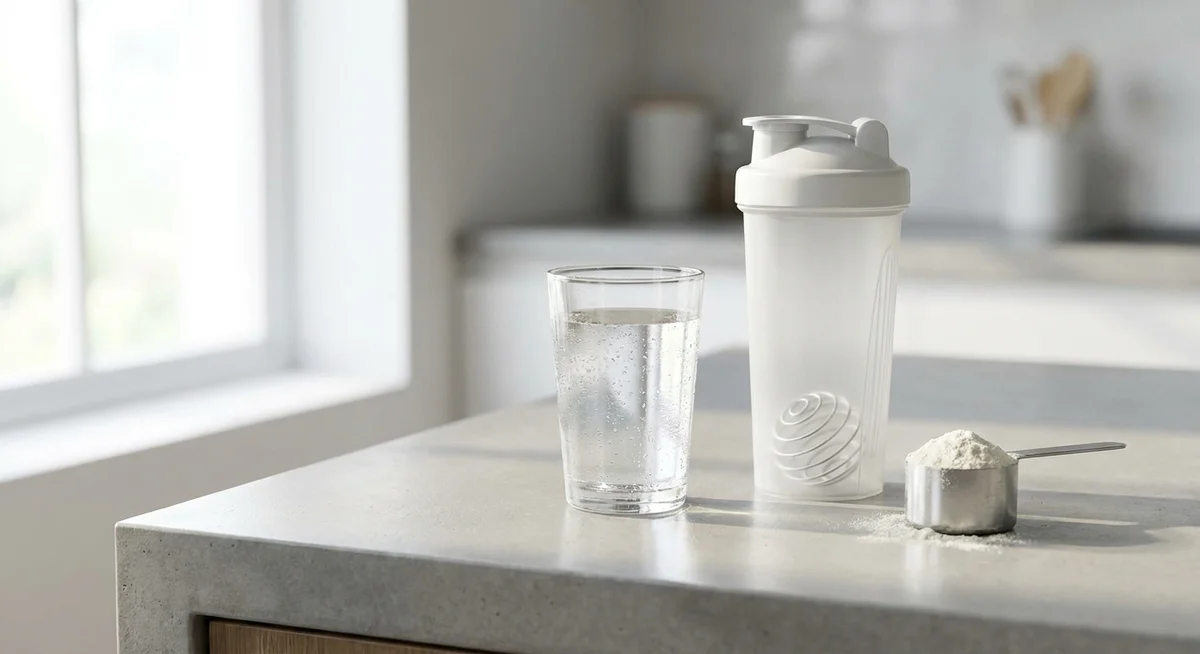
Protein and hydration are linked in a way most people never think about. When you increase protein intake, your kidneys do more work processing nitrogen waste, and that raises the amount of fluid you lose. Add WPI 90 to your daily routine and the question is worth asking: do you need to drink more water to keep up? The short answer is yes, a little, but the full picture is more practical than alarming.
Key takeaways
- Higher protein intake increases nitrogen excretion, which slightly raises daily fluid needs.
- WPI 90's high protein density (around 90% protein per gram) means the effect is more concentrated than with a standard concentrate powder.
- Most active people already fall short on hydration, so adding WPI 90 without adjusting water intake can compound the gap.
- A simple rule: add roughly 300-500 ml of water per 30 g protein scoop on top of your baseline target.
- Flavoured WPI 90 mixed with water counts toward your fluid total; milkshake-style blends with milk count too.
Why does protein affect hydration at all?
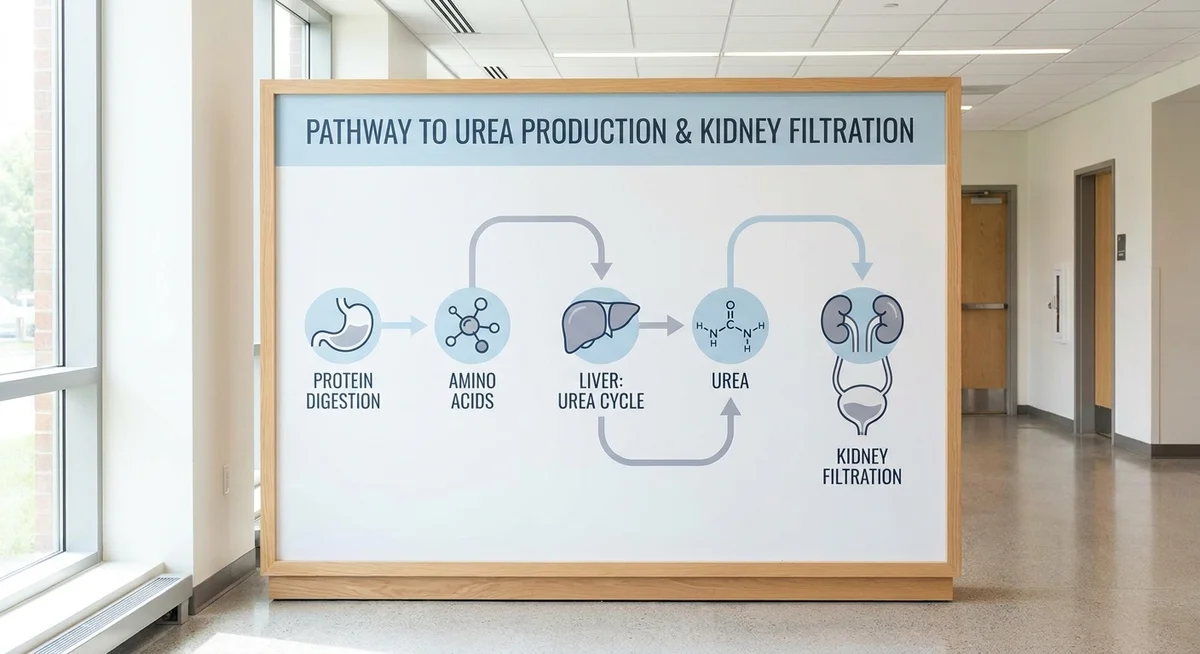
When your body breaks down protein, it strips the nitrogen from amino acids and converts it to urea. Your kidneys then flush urea out through urine, and water carries it along for the ride. The more protein you eat, the more urea your kidneys produce, and the more fluid you need to excrete it cleanly without concentrating urine too heavily.
This process is completely normal and healthy in people with functioning kidneys. It's not damaging. It just means your fluid budget needs to account for your protein budget.
For someone eating 60 g of protein a day from food alone, the kidneys are handling a fairly modest nitrogen load. Bump that to 160 g a day with two WPI 90 scoops plus whole food sources and the load is meaningfully higher. The kidneys adapt without complaint, but they do ask for more water to do the job efficiently.
How does WPI 90 specifically fit into this?
Not all protein powders hit the same nitrogen load per serving. A whey concentrate powder at 70-75% protein per gram delivers noticeably less protein (and therefore nitrogen) per scoop than WPI 90, which sits at around 90% protein per gram. So gram for gram of powder, WPI 90 generates more urea to process.
That's not a strike against WPI 90. It's actually the whole point of choosing it: you get more protein for less powder, fewer carbs, and less lactose. But it does mean the hydration consideration is slightly more relevant than with a lower-grade powder.
| Protein Type | Typical Protein % | Protein per 30 g scoop | Relative nitrogen load |
|---|---|---|---|
| Whey Concentrate (WPC 70) | ~70% | ~21 g | Moderate |
| Whey Concentrate (WPC 80) | ~80% | ~24 g | Moderate-High |
| Whey Isolate (WPI 90) | ~90% | ~27 g | High |
| Hydrolysed Whey | ~90-95% | ~27-28 g | High |
| Plant Protein Blend | ~70-80% | ~21-24 g | Moderate |
So how much extra water do you actually need?
Research on high protein diets and hydration suggests roughly 1 ml of water per calorie is a reasonable baseline, adjusted upward for activity, climate, and protein load. A more practical rule for WPI 90 users: aim for an additional 300-500 ml of water for every 30 g protein scoop you add to your day, on top of whatever your hydration baseline already is.
If your baseline is 2 litres a day and you take two WPI 90 scoops, target at least 2.6-3 litres total. That's not a dramatic shift. For most active people it's the difference between a large water bottle and a slightly larger one.
What counts toward your fluid total?
Good news: the water you mix your WPI 90 into counts. If you're mixing a scoop into 300 ml of water in a shaker, that's 300 ml of your daily total right there. If you blend it into milk or a smoothie, the fluid in those counts too.
Coffee and tea count (the mild diuretic effect of caffeine at normal doses is offset by the water they contain). Food contributes roughly 20% of daily fluid intake for most people. Where things fall apart is when people switch to WPI 90 scoops but stop drinking water between meals because they feel full from the protein.
Protein is satiating. That's one of the reasons people reach for a high-quality WPI 90 when they're working on body composition. But satiety can accidentally suppress thirst signals too. If you're less hungry, you may be less inclined to drink. Build a habit of drinking water at set times rather than relying on thirst alone when your protein intake is high.
Does timing matter, around workouts especially?
Yes. Exercise compounds the fluid equation. You lose water through sweat, your kidneys slow urine production during intense effort, and then post-workout your body ramps back up. If you're taking WPI 90 within 30-60 minutes of training, which is a common pattern, you're hitting two hydration demands at once: rehydrating from exercise and supporting protein metabolism.
The fix is simple. Drink water before your post-workout shake, not just after. Aim for 500 ml with your shake or immediately before mixing it. That way you're starting the protein processing phase already hydrated rather than catching up from a deficit.
Pre-workout is equally worth thinking about. If you take WPI 90 first thing in the morning before a fasted training session, drink water first. Overnight you lose fluid through breathing and minor sweating. A morning protein shake on a dehydrated base is a small but avoidable friction point.
What about electrolytes?
If you're sweating significantly through training and eating high protein, electrolytes become relevant. Sodium, potassium, and magnesium help your cells actually use the water you drink. A diet rich in whole foods alongside your WPI 90 usually covers this adequately. If you're doing extended cardio, training twice a day, or sweating heavily in warm conditions, a basic electrolyte supplement or sodium-containing foods around workouts is worth considering.
WPI 90 itself contains small amounts of potassium and sodium per serve, but not enough to meaningfully contribute to electrolyte needs during heavy training. Think of it as protein first and foremost, not a hydration product.
FAQ
Can too much protein damage your kidneys?
In healthy people with no existing kidney disease, high protein intake over the long term is not associated with kidney damage. The kidneys adapt to handle higher nitrogen loads efficiently. The concern applies mainly to people with pre-existing kidney conditions, who should work with a doctor on protein targets. For everyone else, staying well-hydrated is the practical safeguard.
Does WPI 90 cause dehydration?
Not directly. WPI 90 doesn't pull water out of your body or act as a diuretic. It increases the kidneys' workload in processing nitrogen, which means adequate water intake becomes more important. Think of it as a raised floor on your hydration needs, not a drain.
Should I drink water with every scoop?
Yes, and that's easy to do because you mix WPI 90 with water anyway. Use at least 300 ml of water per scoop when mixing, and top up with additional plain water over the course of the day. If you're taking two scoops, aim to be drinking consistently throughout the day rather than front-loading or backloading all your fluid.
Does flavoured WPI 90 count the same as unflavoured for hydration?
Yes. The flavouring agents in a quality WPI 90 have no meaningful impact on hydration. The water content of your mix is what matters. Whether you're mixing chocolate, vanilla, or unflavoured WPI 90, the hydration calculation is the same. If anything, a flavour you actually enjoy makes it easier to drink enough water consistently.
Browse our WPI 90 range90% protein per serve, low lactose, mixes clean in water or milk.