Why WPI 90 Mixes So Well (And What That Tells You About the Powder Inside)

Shake a tub of WPI 90, scoop it into cold water, give it ten seconds in the shaker, and the liquid is smooth and clear. No gritty clumps sitting at the bottom, no chalky film on the inside of the lid. That might feel like a minor perk, but the reason it happens tells you something real about what you're actually drinking.
Key takeaways
- How a protein powder mixes is a direct reflection of its purity and processing quality.
- WPI 90's high protein density (90%+) means fewer fillers and binders that cause clumping.
- Cross-flow microfiltration and instantisation are the two processes that make clean mixability possible.
- Clumping, grit, and foam are common signs of lower-quality protein or poor manufacturing.
- Clean mixing matters practically: you actually use the whole scoop, not leave half of it stuck in the bottle.
Why does some protein powder clump and others don't?
Clumping happens when protein particles absorb moisture before they've had a chance to fully disperse. Fine, dry powder is naturally hygroscopic - it pulls water toward it the moment it hits liquid. If the particles aren't treated to handle that initial contact, they grab water on the outside and form a crust before the inside can hydrate. The result is a lump.
Lower-purity whey concentrates often clump more because they carry more fat and lactose alongside the protein. Those compounds behave differently in water and can cause particles to stick together. The higher the protein percentage in a powder, the less of that other material is competing for space in the mix.
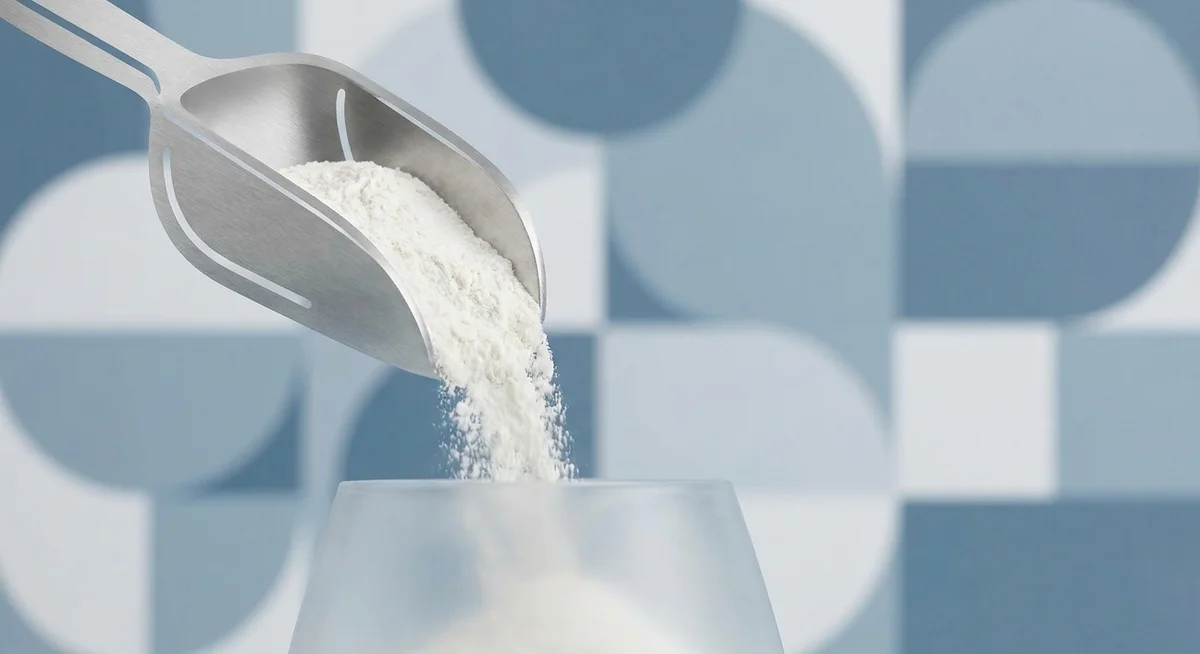
What actually makes WPI 90 mix cleanly?
Two things happen during production that directly affect mixability.
Cross-flow microfiltration. This is the process that gets whey protein isolate to 90% protein or above. The whey liquid passes through fine ceramic membranes under pressure, which physically separate protein molecules from fat, lactose, and moisture. Because it uses no heat, the protein structure stays intact and the particles that come out are uniform in size and composition. Uniform particles hydrate evenly, which means they disperse in water without clumping.
Instantisation. After drying, most quality WPI 90 products go through an additional step where the powder particles are agglomerated into slightly larger, more porous clusters. These clusters have more surface area and absorb liquid faster, so they wet out evenly when you add water. You'll sometimes see "instantised" on a label. It's not marketing filler. It's the specific reason the powder doesn't sit dry on top of your drink for the first five seconds.
How does WPI 90 compare to other whey proteins for mixability?
Not all whey proteins behave the same in a shaker. Here's an honest comparison across the three main types.
| Protein Type | Typical Protein % | Fat & Lactose Content | Mixability | Common Issues |
|---|---|---|---|---|
| Whey Concentrate (WPC 80) | ~75-82% | Moderate to high | Decent, slightly gritty | Clumping, foam, chalky texture |
| Whey Isolate (WPI) | ~85-89% | Low | Good | Occasional lumpiness if not instantised |
| WPI 90 | 90%+ | Very low | Clean and fast | Minimal when processed correctly |
| Hydrolysed Whey | Varies (90%+) | Very low | Fast but bitter | Strong bitter taste, high cost |
WPC80 is the most common protein on the market because it's cheaper to produce. It works, but the higher fat and lactose content gives it a creamier texture that can also mean more residue in the shaker. WPI 90 sits at the point where purity is high enough that you get fast, clean mixing without the bitterness that comes with over-processed hydrolysate.
Does mixing method change the result?
Yes, and it's worth knowing the practical side of this.
Cold water mixes better than warm for WPI 90. Heat can partially denature the protein and make the liquid thicker and harder to fully blend. Cold or room-temperature water keeps the protein structure intact and lets it disperse freely. Milk works too but takes longer to fully mix because of the fat content.
A shaker bottle with a wire whisk ball outperforms a bottle without one by a clear margin. The ball breaks apart any clumps on the first shake and keeps everything moving. If you're mixing in a glass with a spoon, add the powder last (on top of the water) and stir from the bottom up. Adding water to powder usually traps dry powder underneath.
Ten to fifteen seconds in a shaker is all it takes with a quality WPI 90. If you're shaking for a minute and still getting lumps, the powder or the shaker is the issue, not your technique.
Why does any of this actually matter?
Beyond the obvious (a smooth drink is more pleasant than a grainy one), there's a practical reason clean mixing matters for anyone tracking their intake carefully.
If 5 grams of powder stays stuck to the inside of your shaker bottle or clumps at the bottom and gets left behind, you're not getting the protein you measured out. Over the course of a week that adds up. A powder that fully dissolves means you're actually consuming what's on the label, which is the whole point of buying a high-purity protein in the first place.
There's also the digestion angle. Partially dissolved clumps of protein can cause bloating because they hit the stomach in uneven doses rather than as a consistent liquid. It's a minor factor for most people, but for anyone who's had that heavy, uncomfortable feeling after a shake, switching to a better-mixing powder is often the fix.
Signs of a well-mixed protein
- Clear or lightly cloudy liquid after 10-15 seconds of shaking
- No dry powder at the bottom of the bottle
- Minimal foam that settles quickly
- Clean bottle after drinking, with minimal residue
- Consistent texture from first sip to last
Signs of a poor mix
- Dry clumps floating on top or sinking as chunks
- Gritty texture on the tongue or teeth
- Thick foam that doesn't settle
- Chalky coating on the inside of the lid and bottle
- Powder stuck in corners even after shaking
Frequently asked questions
Does adding more water help WPI 90 mix better?
It can. A slightly higher water-to-powder ratio gives each particle more room to disperse. Most people find 250-300ml per 30g scoop works well. Going above that just dilutes the taste without improving the mix significantly. If you're using less than 200ml, expect a thicker shake that takes longer to fully combine.
Why does my WPI 90 foam when I shake it?
Some foam is normal and is caused by air getting beaten into the liquid. It typically settles within 30-60 seconds. Excessive foam that doesn't settle is usually a sign of surfactants or additives in the powder (like sunflower lecithin) reacting with the air. A pure WPI 90 with minimal additives foams less than most flavoured products with emulsifiers.
Can I mix WPI 90 in a blender instead of a shaker?
Yes, and it gives you a smoother result, especially if you're adding other ingredients. The one thing to watch is blending on too high a speed for too long: the friction generates a small amount of heat, which can slightly affect the protein structure. A short blend at medium speed (10-15 seconds) is plenty and won't cause any real issue.
Why does my protein powder get hard and lumpy in the tub?
Moisture exposure. Protein powder is hygroscopic, meaning it absorbs humidity from the air. Once the seal is broken, each time you open the tub, you let moisture in. Keeping the lid sealed tightly after each use, storing it away from the sink or stove, and using a dry scoop every time will prevent most clumping inside the container. Refrigerating an opened tub is an option but can introduce condensation, so room temperature in a dry spot is usually better.
Try a WPI 90 that actually mixesSee what 90% protein and clean processing feels like in your shaker.