The Whey It Works: A Deep Dive Into WPI 90 and Why Protein Quality Is the Whole Game
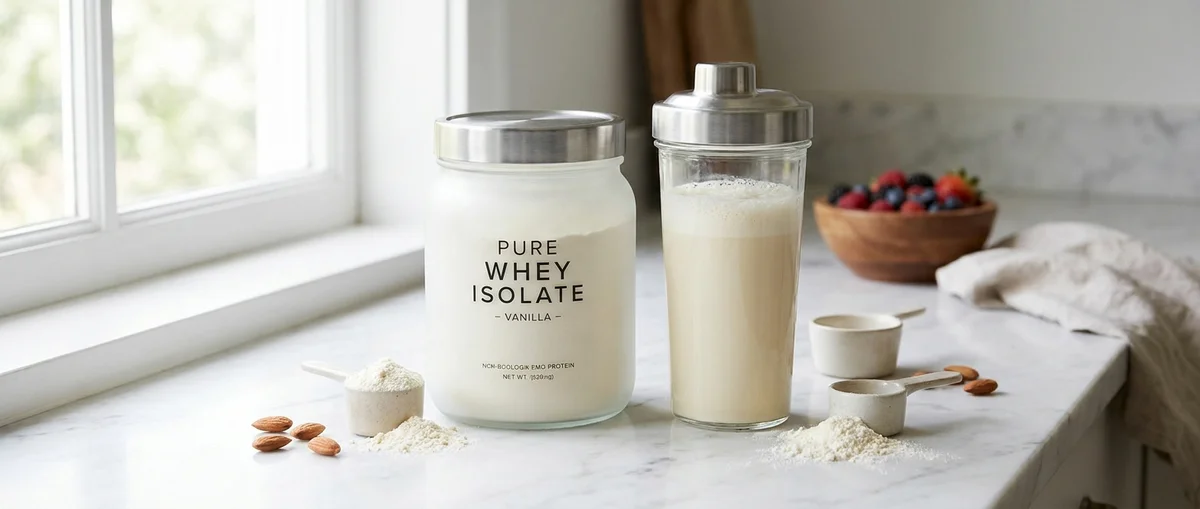
Walk into any supplement shop, scroll any fitness feed, or open any gym locker and there is a near-guaranteed sighting: a tub of whey protein. It has become the unofficial mascot of modern wellness, the powder that turns milk leftovers into muscle fuel. But behind the scoops and shakers, there is a surprisingly nuanced story about how whey is actually made, what separates the good stuff from the average, and why a number like "90" on a label is doing a lot more heavy lifting than most people realise.
This is a closer look at where whey protein comes from, how it is refined into the different forms found on shelves today, and why WPI 90 has carved out a reputation as one of the cleanest options in the protein world.
Whey Protein 101: From Dairy By-Product to Fitness Staple
Whey is the liquid that separates from milk during the cheese-making process. For centuries, it was considered a by-product, often discarded or fed to livestock. Then nutritional science caught up and realised that the watery stuff being poured down the drain was loaded with high-quality protein, essential amino acids, and bioactive compounds that the body absorbs quickly and efficiently.
Today, that same liquid goes through a series of filtration, drying, and refining steps to produce the protein powders found on store shelves. The level of processing and the technology used determines whether the end result is a concentrate, an isolate, or a hydrolysate. Each one has its place, but they are not interchangeable, and the differences matter more than the marketing usually lets on.
The big three forms of whey protein are:
- Whey Protein Concentrate (WPC): Usually contains between 30% and 80% protein, with the remainder being fats, lactose, and other milk components.
- Whey Protein Isolate (WPI): Filtered further to remove most of the fat and lactose, typically containing 90% or more pure protein by weight.
- Whey Protein Hydrolysate (WPH): Pre-digested using enzymes, breaking the protein chains into smaller peptides for faster absorption.
The form that lands in a tub depends on how far the manufacturer is willing to push the filtration process, and that is where things start to get interesting.

How WPI 90 Gets Made: The Refining Process
Whey Protein Isolate 90, often shortened to WPI 90, is not just whey that has been dried and bagged. It is the result of a meticulous filtration journey, and the "90" in the name refers to its protein content by weight. In other words, 90% of every gram of WPI 90 is pure protein. The remaining 10% is mostly minerals, trace amounts of fat, and minimal lactose.
Getting there involves a few key stages:
- Pasteurisation: Raw whey is gently heated to eliminate unwanted bacteria while preserving the integrity of the proteins.
- Microfiltration or Ion Exchange: This is the step that really separates isolate from concentrate. Microfiltration uses ceramic membranes with microscopic pores to physically separate protein molecules from fat and lactose. Ion exchange uses electrical charges to do something similar.
- Ultrafiltration: Further refinement to remove any remaining non-protein components.
- Spray Drying: The concentrated liquid is dried into a fine powder using low-temperature spray drying to maintain protein structure and nutritional value.
The result is a powder that mixes cleanly, digests easily, and delivers a high dose of protein per scoop without dragging along extra fats, sugars, or fillers. The catch is that this process is expensive and time-consuming, which is part of why true WPI 90 sits at a higher price point than basic concentrates.
The Differences That Actually Matter
It is easy to look at two tubs of protein on a shelf and assume they are basically the same. They are not. The differences between concentrate, isolate, and hydrolysate go beyond just the protein percentage on the label.
Lactose Content
WPC can contain anywhere from 4% to 8% lactose, which is enough to cause bloating, gas, or general discomfort in people with even mild lactose sensitivity. WPI 90, on the other hand, typically contains less than 1% lactose, making it a far better option for anyone whose stomach gets temperamental around dairy.
Fat Content
Concentrates can carry several grams of fat per serving, which is fine in moderation but adds up if protein is being consumed multiple times a day. Isolates strip most of that out, leaving a leaner profile that suits cutting phases, lean bulks, or anyone who simply wants their protein to be protein.
Amino Acid Density
Because WPI 90 is more concentrated by weight, every scoop delivers a higher dose of essential amino acids, including the branched-chain amino acids (BCAAs) that play a starring role in muscle repair and recovery. More protein per gram means more of the good stuff per serving.
Mixability and Texture
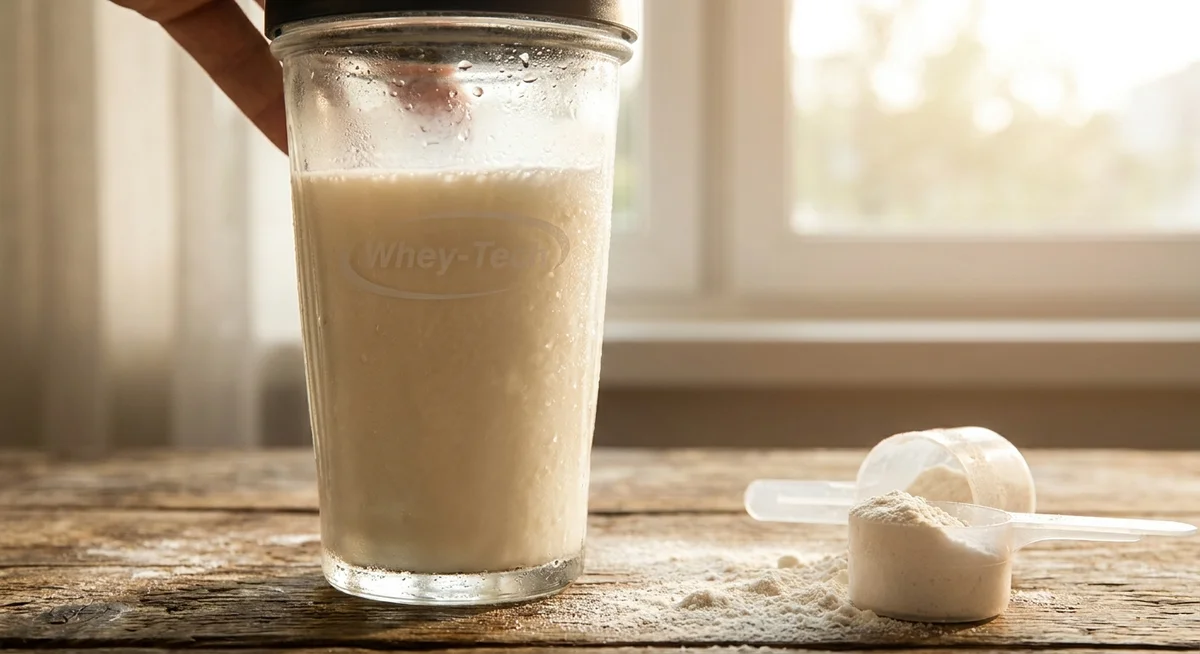
Anyone who has ever choked down a clumpy, gritty protein shake knows that texture matters. Higher-quality isolates tend to mix more smoothly and have a lighter, cleaner mouthfeel. That comes down to the refinement process and the absence of fats and lactose that can affect consistency.
The Benefits That Make WPI 90 Worth the Effort
The reason whey protein has stuck around as the gold standard in supplemental nutrition is simple: it works. And when refined to the level of WPI 90, those benefits sharpen up even further.
Muscle Repair and Growth
Whey is one of the most bioavailable protein sources known, meaning the body can absorb and use it efficiently. It is particularly rich in leucine, the amino acid most closely associated with triggering muscle protein synthesis. For anyone training regularly, that translates to faster recovery and better results from the work being put in.
Lean Macros
A typical serving of WPI 90 delivers around 25 to 27 grams of protein with minimal carbs and fats. That makes it a clean fit for almost any nutritional approach, whether the goal is fat loss, lean gains, or simply hitting a daily protein target without overshooting on calories.
Digestive Friendliness
The low lactose content makes WPI 90 a viable option for people who normally avoid dairy. It is not lactose-free in the strictest sense, but it is close enough that most lactose-sensitive individuals tolerate it well.
Satiety and Appetite Control
Protein is the most filling of the three macronutrients, and a high-protein shake can keep hunger in check for hours. That makes WPI 90 a useful tool for anyone trying to manage appetite during a calorie deficit.
Convenience
It is hard to overstate how useful a fast, clean source of protein can be in a busy day. Whether it is mixed into a post-workout shake, blended into a smoothie, or stirred into oats, WPI 90 makes hitting protein targets a non-issue.
Why Quality Is Not Optional
Here is where things get serious. Not every product labelled as a whey isolate is actually delivering what it claims. The protein supplement industry has had its share of scandals involving amino acid spiking, where cheaper amino acids are added to inflate the protein content on lab tests without actually providing the full benefits of complete whey protein. Some products also blend cheaper concentrates with a small amount of isolate and market the whole thing as a premium product.
This is why sourcing and transparency matter so much. A genuinely high-quality WPI 90 should be:
- Sourced from reputable dairy, ideally from grass-fed or pasture-raised cows where possible.
- Processed using cold filtration methods that preserve the natural protein structure and bioactive compounds.
- Free from unnecessary fillers, artificial sweeteners, or amino acid spiking.
- Transparent about its protein percentage and ingredient list, with no vague "proprietary blend" language hiding the details.
The number on the label only means something if the process behind it is honest. A premium WPI 90 is not just about hitting 90% protein on paper, it is about how the whey was handled from the moment it left the dairy to the moment it was sealed in the tub.
Quality also affects taste and texture in ways that cheaper products simply cannot match. A well-made isolate dissolves smoothly, tastes clean, and does not leave the chalky aftertaste that has given protein powder a bad reputation in some circles.
The Bottom Line on Premium Protein
Whey protein is one of the most studied, most trusted, and most useful supplements in the nutrition world. But within that category, the gap between an average concentrate and a true WPI 90 is wider than the labels would suggest. The filtration process, the protein purity, the lactose content, the amino acid density, and the overall quality of sourcing all add up to a very different product on either end of the spectrum.
For anyone who treats their training and nutrition seriously, or who simply wants to make sure that the protein they are paying for is actually doing its job, WPI 90 represents the standard worth aiming for. It is leaner, cleaner, easier on the stomach, and richer in the amino acids that matter most. The extra refinement is not just marketing fluff. It is the reason this particular form of whey has earned its place at the top of the protein hierarchy.
In a market full of noise, the