The Whey It's Made: A Deep Dive Into WPI 90 and What Separates Good Protein From Great
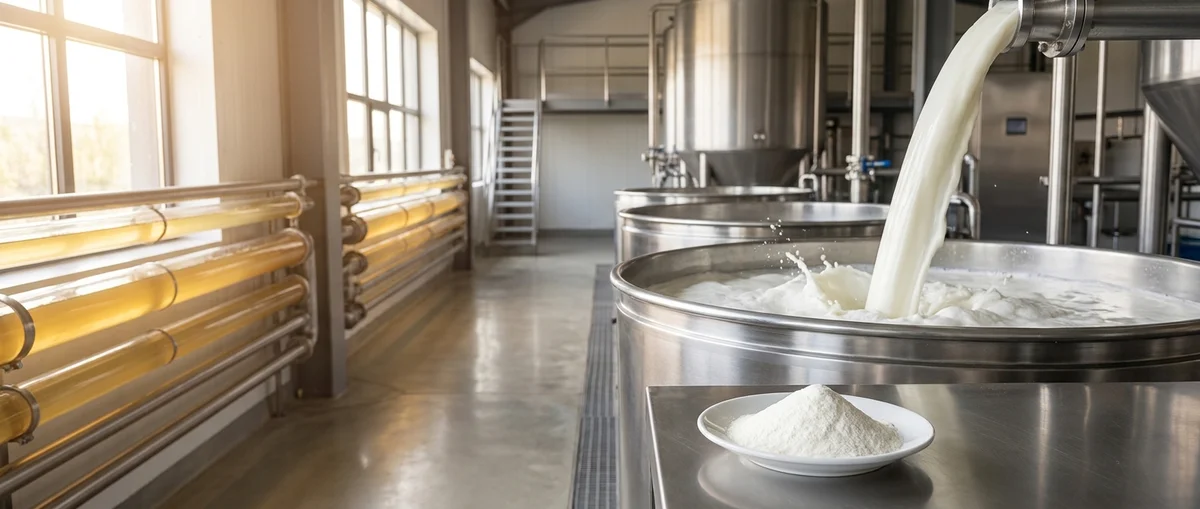
Whey protein has gone from gym-bro staple to household pantry essential, and the shelves are now packed with tubs claiming to be the best, the purest, the fastest absorbing. But peel back the marketing labels and there's a real story underneath, one that starts in a dairy and ends with a scoop of powder that can vary wildly in quality depending on how it was processed.
For anyone looking to actually understand what they're putting in their shaker, it helps to know where whey comes from, how it gets turned into the different forms available, and why a premium WPI 90 sits at a completely different level to the standard concentrates lining most supermarket aisles.
What Whey Protein Actually Is
Whey starts its life as a byproduct of cheese making. When milk is curdled, it separates into two parts: the solid curds that become cheese, and the liquid whey that floats on top. For decades, that liquid was considered waste. Then nutrition science caught up and realised it was basically liquid gold, packed with high-quality protein, essential amino acids, and bioactive compounds.
Raw whey is roughly 5% protein. Everything that happens after that point, the filtering, drying, concentrating, is what determines the final product and its quality. The further whey is purified from its raw state, the higher the protein content and the lower the fat, lactose, and carbs.
That single concept is the foundation of why there are so many different "wheys" on the market, and why prices and quality can swing so dramatically between products.
The Amino Acid Advantage
Whey is a complete protein, meaning it contains all nine essential amino acids the body can't produce on its own. It's especially rich in leucine, the amino acid most directly linked to muscle protein synthesis. That's a big reason whey has stayed at the top of the protein hierarchy for athletes, weekend warriors, and anyone trying to age well.
From Cheese Vat to Protein Tub: How Whey Is Made
The journey from milk to powder is more involved than most people realise. After the cheese curds are removed, the remaining liquid whey goes through a series of steps designed to strip away water, fats, sugars, and other components, leaving behind concentrated protein.
- Pasteurisation: The liquid whey is gently heated to kill off any harmful bacteria while trying to preserve the delicate protein structure.
- Filtration: This is the big one. Through processes like microfiltration and ultrafiltration, the whey is pushed through membranes that separate proteins from lactose, fat, and minerals.
- Ion exchange or cross-flow filtration: For isolates, additional filtration methods are used to remove even more non-protein content. Cross-flow microfiltration is generally considered the higher-quality option because it doesn't use harsh chemicals and preserves more of the natural protein structure.
- Concentration and drying: The liquid is concentrated and then spray-dried into the fine powder that ends up in tubs.
The temperature and method used during these steps make a huge difference. Heat-treating whey too aggressively can denature the proteins, which essentially damages them and reduces their effectiveness. Low-temperature processing is one of the markers of a premium product.
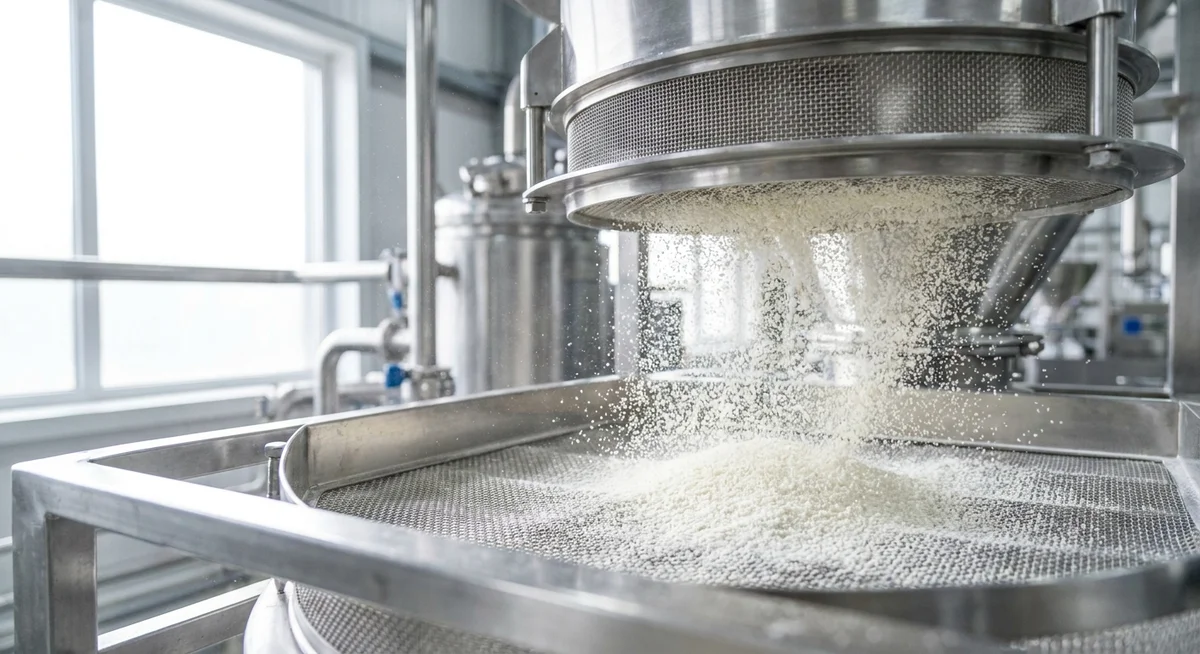
Concentrate vs Isolate vs Hydrolysate: Knowing the Difference
Walk into any supplement store and the three main forms of whey will be staring back from the shelves. They're all derived from the same source but end up very different in composition.
Whey Protein Concentrate (WPC)
WPC is the most basic and most common form. Protein content sits anywhere from 35% to 80% depending on the grade. The rest is made up of lactose, fat, and other milk solids. It's cheaper to produce, tastes creamier because of the fat content, but isn't ideal for people who are lactose intolerant or watching their fat and carb intake closely.
Whey Protein Isolate (WPI)
Isolates go through extra filtration to remove most of the lactose and fat. A true isolate sits at 90% protein or higher by dry weight, with minimal carbs and fat. This is where WPI 90 comes in. The "90" refers to that protein percentage, and it represents one of the cleanest, most concentrated forms of whey available without going into hydrolysed territory.
Whey Protein Hydrolysate (WPH)
Hydrolysates are pre-digested, meaning the protein chains are broken down into smaller peptides for faster absorption. They're often used in medical nutrition and elite sports settings, but they're expensive, taste notoriously bitter, and aren't necessarily worth the price tag for most users.
The simplest way to think about it: concentrate is the everyday option, isolate is the upgrade for purity and performance, and hydrolysate is the specialised choice for very specific needs.
Why WPI 90 Hits a Different Standard
A genuine WPI 90 isn't just an isolate. It's an isolate that meets a specific purity benchmark. Plenty of products labelled "isolate" sit around the 80% mark, which is technically isolate territory but not the gold standard. Hitting 90% protein per gram of powder means the product has been filtered more thoroughly and contains less of the stuff most people are trying to avoid.
What That Looks Like in Practice
- Higher protein per scoop: Roughly 27g of protein from a 30g serve, instead of 20-22g from a typical concentrate.
- Minimal lactose: Often under 1g per serve, making it suitable for many people with lactose sensitivities.
- Low fat and carbs: Usually less than 1g of each, which matters for anyone tracking macros closely.
- Cleaner mixing: Less fat and fewer impurities mean a smoother, less foamy shake.
- Faster absorption: Without the extra fat and carbs slowing things down, the protein gets to work more quickly post-workout.
It's also worth noting that quality WPI 90 tends to be processed using cross-flow microfiltration rather than ion exchange. That gentler method keeps the protein structure intact and preserves the bioactive compounds that give whey its added health benefits.
The Benefits That Actually Matter
Beyond the obvious muscle-building reputation, whey protein has a list of benefits backed by decades of research. Premium WPI 90 amplifies these because the protein is more concentrated and the formulation is cleaner.
Muscle Recovery and Growth
The high leucine content in whey makes it one of the most effective tools for triggering muscle protein synthesis after exercise. Whether someone is lifting weights, running, or doing pilates three times a week, getting enough quality protein after training helps the body repair and adapt.
Appetite Control
Protein is the most satiating macronutrient, and whey in particular has been shown to help curb hunger by influencing appetite hormones. A WPI shake mid-morning or as a snack can take the edge off cravings without piling on extra calories from fat and sugar.
Immune Support
Whey contains immunoglobulins, lactoferrin, and other bioactive compounds that support immune function. These are the components most likely to be damaged by aggressive processing, which is another reason gentle filtration matters.
Healthy Ageing
Maintaining muscle mass becomes harder with age, and protein needs actually increase. A high-quality, easily digestible protein like WPI 90 is one of the simplest ways for older adults to hit their daily protein targets without overloading on food volume.
Why Quality Control Can't Be Ignored
The protein industry has had its share of scandals. Some brands have been caught "amino spiking," which involves adding cheap individual amino acids like glycine or taurine to artificially inflate protein test results. Others source from low-grade dairies, use excessive heat that damages the protein, or load their products with fillers, gums, and artificial sweeteners.
Premium products are different because they're built around transparency. A few markers of a genuinely high-quality WPI 90 include:
- Single-source dairy: Knowing where the milk comes from matters. Grass-fed, hormone-free dairy from clean farming regions sets a higher baseline.
- Cross-flow microfiltration: A processing method that doesn't rely on harsh chemicals and preserves the protein's natural structure.
- Minimal ingredient list: Real WPI 90 shouldn't need a long list of additives. The protein should speak for itself.
- Third-party testing: Independent lab verification of protein content, heavy metals, and contaminants.
- Honest labelling: Protein per serve, lactose content, and processing method should be clearly stated.
When all of those boxes are ticked, the difference shows up in everything from how the powder mixes to how the body responds to it.
The Bottom Line
Whey protein isn't a new invention, but the gap between average and premium has never been wider. Cheap concentrates do a job, sure, but they come with extra fat, lactose, and often a heavily processed product that's lost some of its nutritional spark along the way.
A true WPI 90 is what happens when whey is taken seriously: filtered carefully