The Whey Forward: How Premium WPI 90 Redefines What a Protein Scoop Should Actually Do

Walk into any supplement store and the wall of protein tubs can feel like a wall of noise. Big claims, bigger numbers, flashy colours, and somewhere buried in the small print, the actual ingredients. The truth is that most people buying protein powder have no idea what separates a decent tub from a genuinely great one, and the industry is more than happy to keep it that way.
This is a look under the hood at whey protein, specifically Whey Protein Isolate 90 (WPI 90), how it gets made, what makes one version better than another, and why quality is not just marketing fluff when it comes to something a person puts in their body every single day.
Whey Protein 101: Where It All Starts
Whey is the liquid that separates from milk during cheese making. For decades it was considered a byproduct, sometimes fed to pigs, sometimes poured down the drain. Then someone figured out that this watery leftover was packed with some of the highest quality protein on the planet, and the fitness world has never been the same.
Milk contains two main proteins: casein (about 80%) and whey (about 20%). When milk is curdled, the casein clumps into curds, which become cheese. The whey drains off as a thin, slightly yellow liquid containing protein, lactose, fat, minerals, and water. From there, the journey to a scoopable powder begins.
What makes whey such a standout is its amino acid profile. It is considered a complete protein, meaning it contains all nine essential amino acids the body cannot produce on its own. It is also unusually high in leucine, the amino acid that flips the muscle protein synthesis switch. In simple terms, whey tells the body to build and repair, fast.
The Three Main Types of Whey
- Whey Protein Concentrate (WPC): The most common and cheapest form. Protein content ranges from about 30% to 80%, with the rest being lactose, fat, and moisture.
- Whey Protein Isolate (WPI): Further processed to remove most of the lactose and fat. Protein content typically sits at 90% or higher.
- Whey Protein Hydrolysate (WPH): Pre-digested using enzymes to break the protein into smaller peptides. Absorbed quickly but often bitter and significantly more expensive.
WPI 90 sits in that sweet spot. It is purer than concentrate, easier on the stomach, and far more cost-effective than hydrolysate while still delivering rapid absorption.

From Liquid Whey to 90% Protein Powder
Getting from a vat of milky liquid to a fine, almost flavourless powder that is 90% pure protein is more complicated than the marketing makes it look. The process is essentially a series of filtration and drying steps, each one stripping away what is not protein.
Step One: Pasteurisation and Separation
The raw whey is pasteurised at low temperatures to kill bacteria without damaging the delicate protein structures. High heat denatures protein, which is why premium manufacturers obsess over temperature control. Denatured protein loses some of its functional properties, including how well it dissolves and how the body uses it.
Step Two: Filtration
This is where the magic happens, and where cheap manufacturers cut corners. There are two main approaches:
- Ion exchange: Uses chemicals to attract and isolate protein molecules. It produces a very high protein percentage but can strip away some beneficial protein fractions like immunoglobulins and lactoferrin.
- Cross-flow microfiltration (CFM): A physical filtration method using ceramic membranes. No harsh chemicals, no heat damage, and the bioactive components stay intact.
Quality WPI 90 is almost always cross-flow microfiltered. It is slower, more expensive, and produces a protein that is still as close to its natural state as possible.
Step Three: Drying
Once the protein is concentrated, it is spray-dried into a fine powder. Again, temperature matters. Lower drying temperatures preserve protein integrity, while aggressive high-heat drying can cause clumping, scorched flavours, and damaged amino acids.
WPI 90 vs The Rest: What Actually Changes
On paper, the difference between a WPC 80 and a WPI 90 might look like just ten percentage points. In practice, that gap means a lot more than the maths suggests.
Lactose
WPC can contain anywhere from 4% to 8% lactose, which is plenty to cause bloating, gas, and stomach discomfort for anyone with even mild lactose sensitivity. WPI 90 typically contains less than 1%, making it tolerable for most lactose-sensitive individuals.
Fat
Fat is not the enemy, but in protein powder it tends to slow absorption and add unnecessary calories. WPC can carry 4% to 8% fat. WPI 90 sits closer to 1%. For anyone tracking macros or wanting a clean post-workout shake, that difference adds up.
Protein Per Scoop
A standard 30g scoop of WPI 90 delivers around 27g of pure protein. A 30g scoop of cheap WPC might deliver only 18g to 21g. Over a month of daily shakes, that is a serious gap in actual protein consumed versus protein paid for.
Texture and Taste
Higher purity generally means a cleaner, less chalky drink. WPI 90 mixes more smoothly, has a thinner consistency, and carries a milder dairy flavour. It does not need to be drowned in sweeteners and gum-based thickeners to be palatable.
The numbers on the front of the tub only tell part of the story. The real story is in the filtration method, the source of the milk, and what the manufacturer chose not to add.
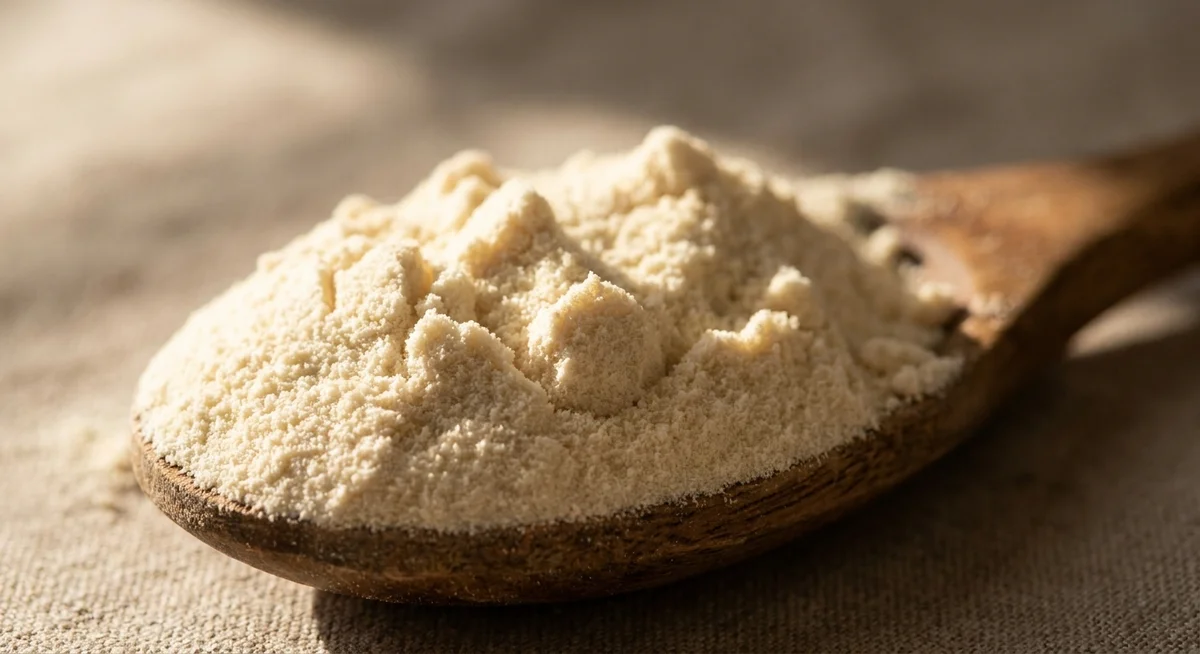
The Real Benefits of Quality Whey
It is easy to think of protein powder as just a gym thing, but the benefits stretch well beyond muscle building. Whey is one of the most studied supplements in the world, and the research consistently lands in its favour.
Muscle Growth and Recovery
Whey is the gold standard for stimulating muscle protein synthesis. Its high leucine content and rapid absorption rate make it especially effective in the post-workout window. For anyone training regularly, WPI 90 delivers the building blocks needed without the digestive baggage.
Appetite and Body Composition
Protein is the most satiating macronutrient. Studies repeatedly show that higher protein intake helps with fat loss, mostly by reducing cravings and keeping people fuller for longer. A WPI 90 shake at 110 to 120 calories delivers serious satiety for very little calorie cost.
Immune Support
Whey contains bioactive compounds like lactoferrin, immunoglobulins, and glutathione precursors that support immune function. Cross-flow microfiltered WPI 90 retains more of these compounds than ion-exchange versions, which is one more reason the processing method matters.
Healthy Ageing
Protein needs actually go up with age, not down. Muscle mass naturally declines, and quality protein helps slow that process. A clean, easy-to-digest WPI 90 is a sensible daily habit for anyone wanting to stay strong and active well into later decades.
Why Quality Is Not Just a Buzzword
Here is the uncomfortable truth about the protein industry: the gap between the best and worst products on the shelf is enormous. Two tubs that look almost identical can be completely different in what they actually deliver.
Where the Milk Comes From
Grass-fed, pasture-raised dairy from countries with strict agricultural standards (think New Zealand, Australia, parts of Europe) produces whey with a better fatty acid profile and fewer concerns about hormones or contaminants. Cheap whey often comes from intensive feedlot operations where the focus is volume, not quality.
What Gets Added
A premium WPI 90 should have a short ingredients list. Whey protein isolate, maybe a natural flavour, maybe a small amount of sweetener, and an emulsifier like sunflower lecithin. That is about it. Long lists of artificial flavours, thickeners, fillers, and amino acid spiking ingredients are red flags.
The Spiking Problem
Amino acid spiking is a sneaky industry trick where cheap individual amino acids like glycine and taurine are added to inflate the protein count on a nitrogen test. The tub claims 25g of protein per scoop, but only 15g is actually usable whole protein. Reputable WPI 90 brands do not play this game.
Third-Party Testing
Quality brands test their products for protein content, contaminants, heavy metals, and microbial safety. They share results openly. If a brand will not say where its whey comes from or how it is tested, that silence speaks volumes.
The Bottom Line
Whey protein is not magic, but quality whey protein is one of the most useful, well-researched, and versatile tools in a person's nutrition kit. WPI 90 represents the higher end of that category, offering a cleaner, purer, more digestible product that delivers more actual protein per scoop with fewer of the things nobody wants in their shake.
The differences between a premium WPI 90 and a cheap concentrate are not marketing inventions. They show up in the digestive system, in the recovery, in the daily tally of macros, and over months and years in body composition and overall wellbeing.