The Pure Pursuit: How WPI 90 Sets a Higher Bar for Whey Protein
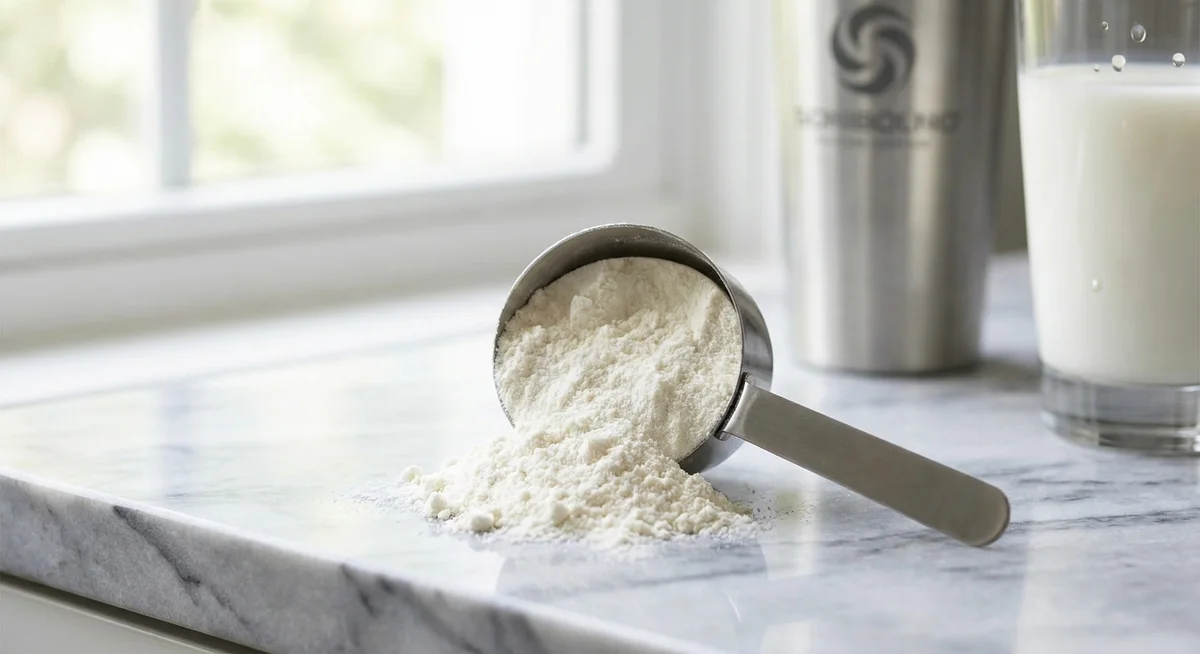
Whey protein has been having a long moment. Once tucked away in the corner of dusty supplement stores, it now sits proudly in kitchen cupboards, gym bags, and morning smoothies across the country. But not all whey is created equal, and the gap between a basic concentrate and a premium isolate is wider than most people realise.
Among the various forms on the market, Whey Protein Isolate 90 (commonly known as WPI 90) sits at the top of the ladder. It is the cleanest, most protein-dense form of whey available, and for anyone serious about their nutrition, understanding what it is and why it matters can completely change the way they think about their daily protein.
What Whey Protein Actually Is
Before diving into the isolate world, it helps to understand where whey comes from in the first place. Whey is one of the two main proteins found in milk, with casein being the other. When milk is processed to make cheese, it separates into curds and a liquid. That liquid is whey, and for a long time it was treated as a cheesemaking byproduct.
Then someone figured out that this leftover liquid was packed with high-quality, fast-absorbing protein, complete with all nine essential amino acids and an impressive load of branched-chain amino acids (BCAAs). Suddenly, the byproduct became the prize.
From that liquid whey, manufacturers can produce a few different types of protein powder, depending on how much processing and filtration is applied:
- Whey Protein Concentrate (WPC): Typically 35 to 80 percent protein, with more fats and lactose remaining.
- Whey Protein Isolate (WPI): Usually 90 percent or more protein, with most fats and lactose removed.
- Whey Protein Hydrolysate (WPH): Pre-digested whey, broken down into smaller peptides for faster absorption.
Each has its place, but the differences in purity, digestibility, and overall nutrition profile are significant.
How WPI 90 Is Made
Getting from raw liquid whey to a fine, 90 percent pure protein powder is a process that demands precision. WPI 90 isn't just concentrate with a fancier label. It goes through additional filtration steps that strip away nearly everything that isn't protein.
Microfiltration and Ultrafiltration
The most common method for producing high-quality whey isolate is cross-flow microfiltration. This is a low-temperature process that uses ceramic membranes to separate protein molecules from fat, lactose, and other unwanted compounds. Because it's done cold, the delicate protein structures stay intact, which preserves the bioactive components that give whey its functional benefits.
Ion Exchange (The Older Method)
Some manufacturers still use ion exchange, which relies on chemical reactions to isolate protein. While it can produce a high protein percentage, it tends to strip away some of the beneficial peptides and immunoglobulins that make whey so valuable in the first place. Most premium producers have moved away from this method for that reason.
Drying and Finishing
Once the liquid isolate is filtered, it gets carefully spray-dried into the fine powder that ends up in the canister. The best producers control temperature tightly here, because excessive heat can denature the protein and reduce its quality.

The Real Differences Between Whey Concentrate, Isolate, and Hydrolysate
It can be easy to assume that whey is whey, but the differences between the main types are worth paying attention to. They affect everything from how the powder mixes to how it sits in the stomach.
Protein Content
Concentrate generally clocks in anywhere from 35 to 80 percent protein by weight. The rest is a mix of carbohydrates (mostly lactose), fats, and minerals. Isolate, by contrast, is 90 percent or more protein, with very little lactose or fat. Hydrolysate sits in a similar protein range to isolate but has been broken down further.
Lactose and Digestibility
For anyone who feels bloated or sluggish after a concentrate shake, lactose is often the culprit. WPI 90 contains very little of it, often less than 1 percent, which makes it a much friendlier option for people with sensitivities. It also tends to mix more smoothly and sit lighter in the stomach.
Taste and Texture
Isolate has a cleaner, less creamy taste than concentrate. Some people prefer the richness of concentrate, while others love the lighter feel of an isolate shake. It really comes down to personal preference, but isolate's neutrality makes it easier to blend into smoothies, oats, or baking without overpowering other flavours.
Cost
Isolate costs more, and there's a good reason for that. It takes more processing, more raw whey, and tighter quality control to produce. The result is a more refined product, but anyone shopping on price alone might find concentrate more appealing for everyday use.
Why WPI 90 Is Worth the Hype
So what does all that filtration and refinement actually deliver? Quite a lot, as it turns out.
More Protein, Less Everything Else
If the goal is to hit a daily protein target without piling on extra calories, fat, or sugar, WPI 90 makes that easier. A typical 30 gram serving delivers around 27 grams of protein, with minimal carbohydrates and fats. That's a remarkably efficient nutrition profile.
Faster Absorption
Whey protein is already known for being fast-digesting, but isolate takes that up a notch. Because it's been stripped of most fats and lactose, the body absorbs it quickly, making it a popular choice for post-workout recovery when amino acids need to reach muscle tissue without delay.
Easier on the Gut
For anyone who has experienced bloating, cramping, or general digestive grumpiness from protein powders, isolate can be a game-changer. The minimal lactose content removes the most common trigger, and the cleaner profile tends to be much more comfortable for daily use.
Complete Amino Acid Profile
WPI 90 contains all nine essential amino acids, including a high concentration of leucine, the amino acid most associated with triggering muscle protein synthesis. This makes it especially useful for anyone training hard, recovering from injury, or simply trying to maintain muscle as they age.
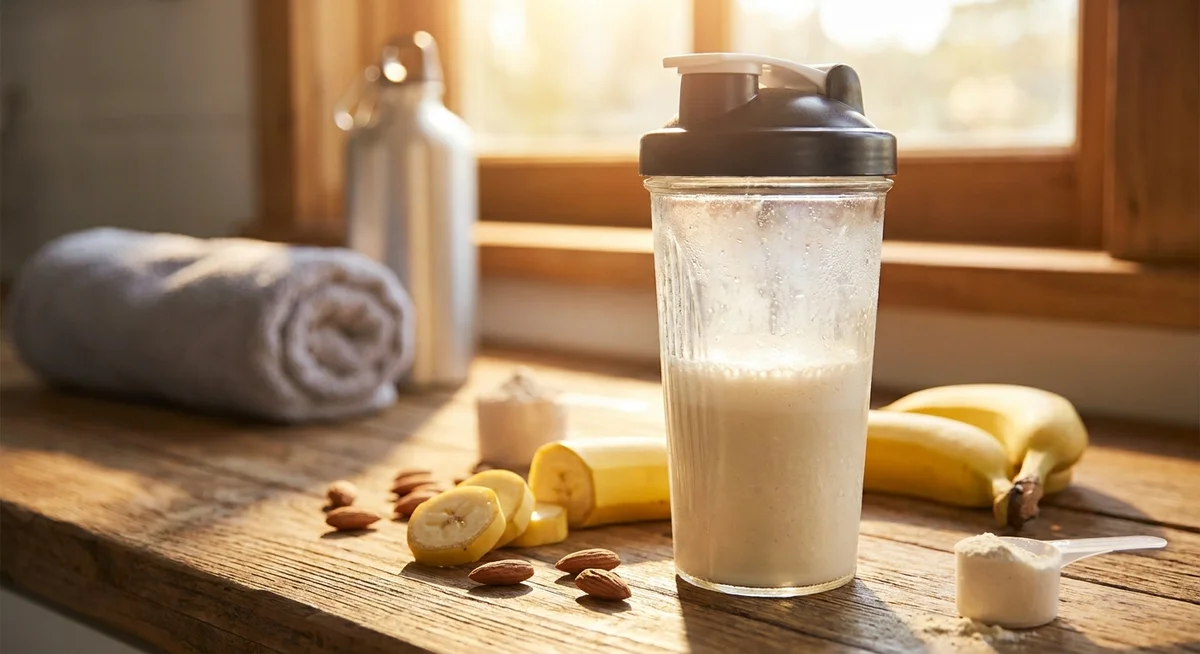
Why Quality of Source Matters More Than People Think
Here's something that often gets overlooked in protein powder conversations: the source matters enormously. Two products can both be labelled WPI 90 and still be wildly different in quality. The reason comes down to where the milk is sourced, how the cows are raised, and how carefully the whole process is managed.
The Cows and the Pastures
Milk from grass-fed, pasture-raised cows tends to have a richer nutritional profile, including higher levels of beneficial fatty acids and bioactive compounds. While much of this gets filtered out in the isolation process, the starting quality still influences the integrity and flavour of the final product.
Processing Standards
Cold microfiltration preserves more of the beneficial compounds in whey, including immunoglobulins and lactoferrin. Cheaper, heat-heavy processing methods can damage these components, leaving a powder that hits the protein percentage on paper but lacks the functional benefits of properly handled whey.
Additives and Fillers
This is where many products quietly fall short. Some manufacturers pad out their powders with cheap fillers, artificial sweeteners, and flavour bombs that mask lower-quality protein. A high-quality WPI 90 should have a short, clean ingredient list, with the protein itself doing most of the heavy lifting.
Testing and Transparency
Reputable brands test their products for purity, heavy metals, and accurate protein content. They're also transparent about where their whey comes from. If a product won't tell you where it's sourced or how it's processed, that's a worth pausing on.
Who Benefits Most from WPI 90
While anyone can drink whey isolate, certain groups tend to get the most out of it.
- Athletes and gym-goers who want fast, clean protein around training sessions.
- People with mild lactose sensitivity who can't handle concentrate comfortably.
- Those tracking macros closely who want maximum protein with minimum extras.
- Older adults looking to support muscle maintenance with high-leucine protein.
- Anyone prioritising digestive comfort in their daily nutrition routine.
That said, WPI 90 isn't just a "performance" product. It fits beautifully into general wellness routines too, whether that means a morning smoothie, a protein-boosted bowl of oats, or a quick shake between meetings.
The Takeaway
Whey protein has come a long way from its humble origins as a cheesemaking leftover. Today, WPI 90 represents the most refined version of one of nature's most useful proteins, offering a clean, fast-absorbing, gut-friendly source of high-quality nutrition.
The differences between concentrate, isolate, and hydrolysate are real, and they matter. But just as important is the quality of the source and the care taken during processing. A premium WPI 90 isn't just a number on a label, it's the result of good cows, good milk, gentle filtration, and a commitment to keeping things pure.
For anyone serious about what they put in their body, that level of attention to detail