The Curd Word: Why Whey Protein Isolate 90 Sits at the Top of the Dairy Food Chain

Walk into any supplement shop, gym lobby, or health food aisle and the wall of protein tubs can feel a bit ridiculous. Different colours, different claims, different price tags, and somehow all of them promise to build muscle, fix recovery, and make life generally better. The truth is, not all whey is created equal, and the gap between a budget concentrate and a premium isolate is bigger than most labels let on.
This is a casual look at what whey protein actually is, how it gets from a dairy farm into a tub, and why Whey Protein Isolate 90 (often shortened to WPI 90) tends to be the option that serious nutrition nerds, athletes, and clean-eating types keep gravitating towards. No marketing fluff, just the real story.
So What Is Whey Protein, Really?
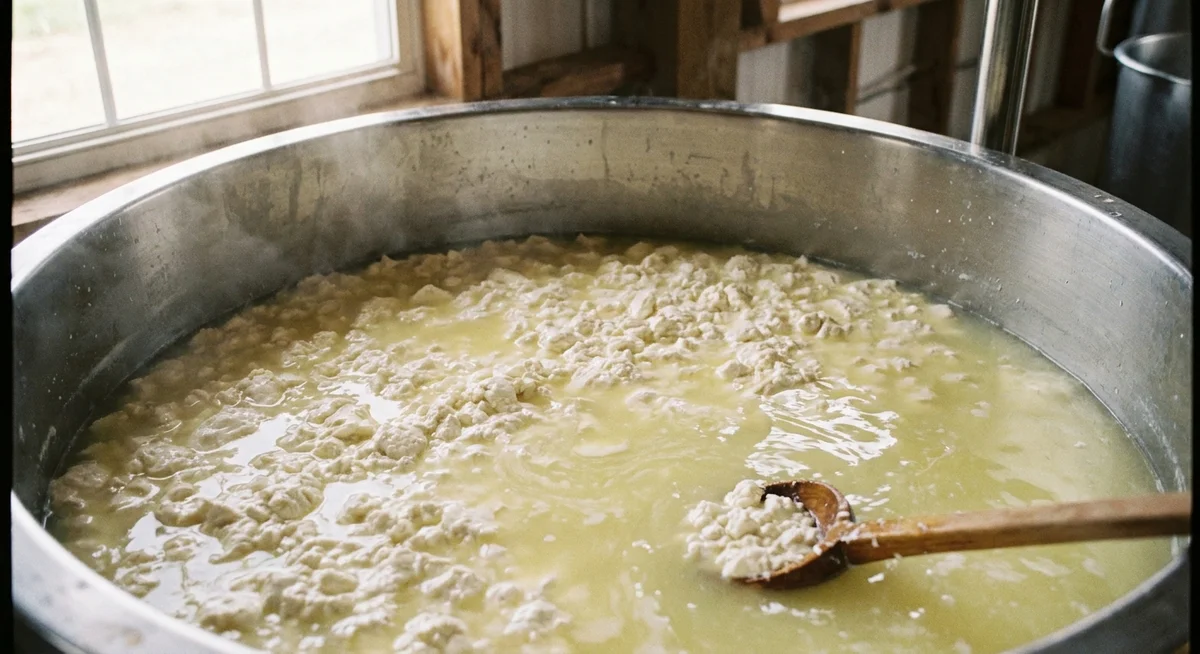
Whey starts its life as a byproduct of cheese making. When milk gets curdled, it splits into two parts: the thick curds (which go on to become cheese) and the watery liquid left behind. That liquid is whey. For a long time it was treated as a waste product, sometimes fed to pigs or poured down the drain. Then someone figured out it was packed with high-quality protein, and the rest is supplement history.
The reason whey gets so much attention in the nutrition world comes down to its amino acid profile. It contains all nine essential amino acids, and crucially, it's loaded with leucine, the amino acid most directly linked to triggering muscle protein synthesis. It also digests fast, which makes it ideal post-workout when the body is hungry for raw materials.
But raw liquid whey is mostly water. To turn it into the powder that ends up in a shaker, it needs to be filtered, concentrated, and dried. That process is where the different types of whey protein start to diverge.
The Three Main Players
- Whey Protein Concentrate (WPC): Usually around 70-80% protein by weight, with the rest being lactose, fat, and some minerals.
- Whey Protein Isolate (WPI): Filtered further to reach 90% or more protein, with very little lactose or fat.
- Whey Protein Hydrolysate (WPH): Isolate that's been broken down into smaller peptides for faster absorption. Often used in medical and infant nutrition.
Concentrate is cheap and cheerful. Hydrolysate is niche and expensive. Isolate, particularly WPI 90, sits in the sweet spot of high purity, clean macros, and a price that actually makes sense for everyday use.
From Cow to Tub: How WPI 90 Actually Gets Made
The journey from raw milk to a clean scoop of isolate is more interesting than most people realise. It involves multiple stages of filtration, careful temperature control, and a fair bit of food science.
Step One: Pasteurisation and Separation
Raw milk gets pasteurised and then enzymes or acids are added to start the curdling process. Once the curds form, they're separated from the liquid whey. At this stage, the whey is still mostly water with about 6% solids, including proteins, lactose, fats, and minerals.
Step Two: Filtration Magic
This is where the real work happens. Most premium WPI 90 products go through a process called cross-flow microfiltration or ultrafiltration. These methods use ceramic or polymer membranes with incredibly small pores. The whey is pumped across these membranes under pressure, and smaller molecules like lactose, water, and minerals slip through, while the larger protein molecules stay behind.
The beauty of this method is that it doesn't use harsh chemicals or excessive heat, both of which can damage the delicate protein structures and destroy the bioactive compounds that make whey so beneficial in the first place.
Step Three: Concentration and Drying
Once the protein content is high enough, the liquid concentrate gets gently spray-dried into a fine powder. Good manufacturers keep the drying temperatures as low as possible to preserve the native protein structures. The result is a clean, neutral-tasting powder that's roughly 90% pure protein.
The quality of the filtration process directly determines the quality of the final product. Shortcuts at this stage are why some cheap "isolates" still cause bloating, taste chalky, or simply don't deliver what the label promises.
Concentrate vs Isolate: The Real Differences
On paper, going from 80% protein to 90% protein doesn't sound like a massive jump. But the difference is bigger than the maths suggests, because of what gets removed along with the extra processing.
Lactose Content
Concentrate typically contains 4-8% lactose, which is enough to cause digestive issues for anyone with even mild lactose sensitivity. WPI 90 usually has less than 1%, making it tolerable for most people who can't handle dairy in other forms.
Fat Content
Concentrate carries around 3-6% fat. Isolate is closer to 0.5-1%. For people tracking macros tightly, especially during a cut or contest prep, that difference adds up over the course of a week.
Protein Per Serving
A standard 30g scoop of WPI 90 delivers around 27g of actual protein. The same scoop of concentrate might give 22-24g. Over time, that gap shows up in both results and value for money.
Texture and Mixability
This is the underrated one. Isolate mixes cleanly in water, doesn't foam excessively, and has a smoother mouthfeel. Concentrate tends to be thicker and creamier because of the residual fats and lactose, which some people like but others find heavy.
The Benefits People Actually Notice
The science behind whey protein is solid and well-documented, but it helps to translate it into what people genuinely feel and see when they use a quality WPI 90 consistently.
Faster Recovery
Because isolate digests rapidly and floods the bloodstream with amino acids within about 30 minutes, it's ideal for post-training nutrition. Muscle soreness tends to ease faster, and training sessions stack better on top of each other.
Lean Muscle Support
The high leucine content (around 2.5-3g per scoop) is right at the threshold needed to maximally stimulate muscle protein synthesis. For anyone doing resistance training, that's the engine of progress.
Appetite Control
Protein is the most satiating macronutrient, and a high-protein, low-calorie scoop is a powerful tool for managing hunger. A WPI 90 shake clocks in at around 110-120 calories with nearly 27g of protein, which is hard to beat.
Immune and General Health Perks
Whey contains bioactive compounds like immunoglobulins, lactoferrin, and glutathione precursors that support immune function and antioxidant activity. The gentler the filtration process, the more of these compounds survive into the final product.
Gut-Friendly
With minimal lactose and no added fillers, a clean WPI 90 is one of the easiest protein sources to digest. No bloating, no rumbling stomach, no afternoon regret.
Why Quality Actually Matters (And How to Spot It)
Here's the uncomfortable truth about the protein industry: a lot of products lean heavily on flashy packaging and aggressive marketing while cutting corners on what's inside. Quality differences in whey protein come down to a few specific things worth checking.
Source of the Milk
Grass-fed, pasture-raised dairy from countries with strong agricultural standards (think Australia, New Zealand, Ireland) tends to produce cleaner, more nutrient-dense whey than milk from industrial feedlot systems.
Filtration Method
Cross-flow microfiltration and ultrafiltration are the gold standard. Ion-exchange isolate, while technically higher in protein, often loses some of the beneficial bioactive fractions because of the harsher chemical process involved.
Ingredient List Length
A good WPI 90 has a short label. Whey protein isolate, maybe a natural flavour, a touch of sweetener, possibly an enzyme blend, and that's about it. When the ingredient list reads like a chemistry experiment, something's off.
Third-Party Testing
Reputable brands test for heavy metals, microbial contamination, and protein content accuracy. Some less reputable products have been caught "amino spiking," which is adding cheap free-form amino acids to inflate the protein number on the label.
Transparency
Companies confident in their product tend to share where the whey comes from, how it's processed, and what the actual protein-per-serve looks like in the real world, not just on a marketing claim.
Who WPI 90 Is Really For
The honest answer is that almost anyone who wants to up their protein intake can benefit, but a few groups in particular tend to get the most out of it:
- Athletes and lifters who need fast, clean post-workout protein without extra calories or digestive baggage.
- People cutting body fat who need to hit high protein numbers without spending their daily macros on fat and carbs.
- Those with mild lactose sensitivity who can't handle concentrate or milk but still want the benefits of whey.
- Busy professionals who use shakes as a quick