Shake It Up: What Actually Goes Into a Tub of WPI 90 (And Why Your Body Cares)

Walk into any supplement store and the protein aisle hits like a wall of noise. Tubs everywhere, claims flying, percentages plastered across labels, and somewhere in the middle of it all, a question quietly forms: what is this stuff, actually? Whey protein has become so common that most people grab a tub without ever really knowing what they're scooping into their shaker. And that's a shame, because the differences between products are massive once the marketing is stripped away.
This is a look under the hood. How whey gets made, where the various forms come from, what the numbers mean, and why quality genuinely matters when it comes to what ends up in the body.
So What Is Whey, Really?
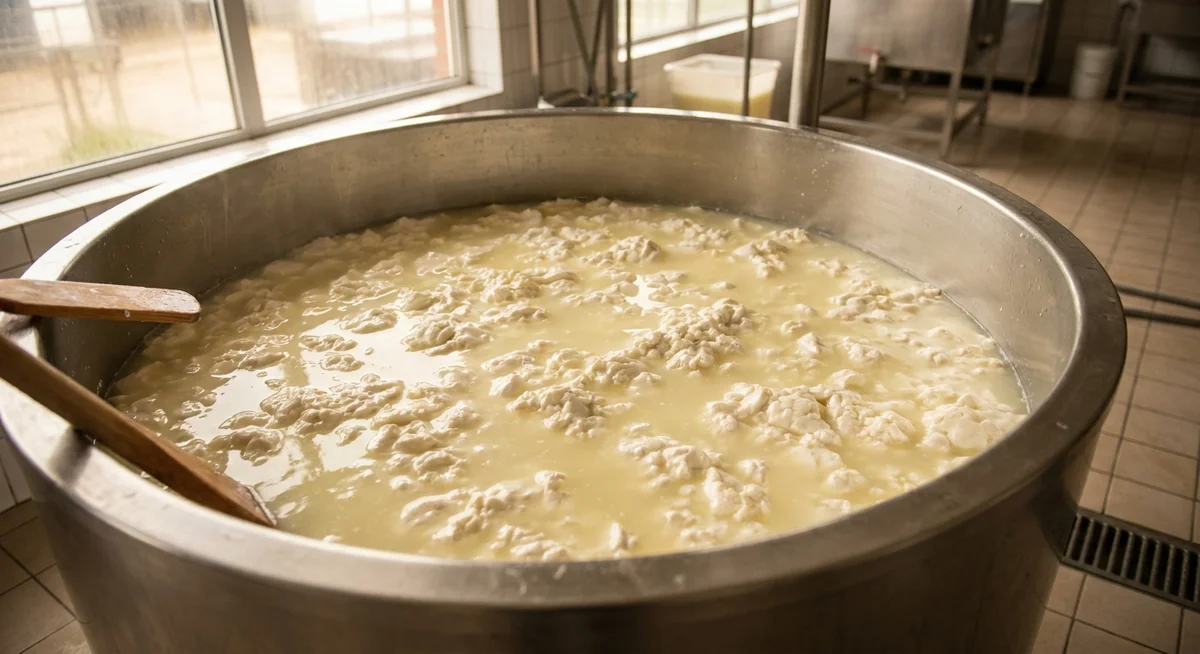
Whey starts its life as the liquid left behind when milk is turned into cheese. That's it. It's not a lab invention or some synthetic powder cooked up in a factory. When milk gets curdled during cheesemaking, it separates into two parts: the solid curds, which become cheese, and the watery liquid floating on top, which is whey.
For a long time, whey was considered a waste product. Cheesemakers would dump it, feed it to pigs, or pour it back into the fields. Then someone figured out that this liquid was packed with high-quality protein, and the entire supplement industry shifted gears.
Raw whey contains a mix of protein, lactose (milk sugar), some fat, minerals, and water. To turn it into the powder that ends up on shelves, it has to be filtered, dried, and processed. The type and intensity of that processing is exactly what separates a budget protein from a premium one.
The Three Main Forms
- Whey Protein Concentrate (WPC): Typically 70-80% protein by weight. Still contains a decent amount of lactose, fat, and carbs.
- Whey Protein Isolate (WPI): Filtered further to reach 90%+ protein, with most of the lactose and fat stripped out.
- Whey Protein Hydrolysate (WPH): Isolate that has been pre-broken-down (hydrolysed) for faster absorption. Often used in medical or infant nutrition.
Concentrate is the entry-level option. Isolate sits in the premium bracket. Hydrolysate is specialised and usually pricey. Each has its place, but for anyone wanting the cleanest macro profile, isolate is where things get interesting.
From Liquid Whey to Powder: The Filtration Journey
Turning liquid whey into a fine protein powder is more involved than most people realise. The process determines everything about the final product, from the protein percentage to the digestibility to how it tastes.
Step 1: Pasteurisation
The liquid whey gets gently heated to kill off any unwanted bacteria. Done properly, this step preserves the protein structure. Done badly (too hot, too long), and the proteins start to denature, which can hurt their functional properties.
Step 2: Microfiltration or Ultrafiltration
This is the magic step. The whey gets passed through extremely fine membranes that act like microscopic sieves. Protein molecules are larger than lactose and minerals, so they get held back while the smaller stuff passes through. The more rigorous the filtration, the higher the final protein concentration.
For WPI 90, the filtration has to be precise and thorough. It's how the product earns that 90% figure on the label.
Step 3: Ion Exchange or Cross-Flow Microfiltration
Some isolates use ion exchange, which uses electrical charges to separate proteins. It can push protein percentages even higher but can also damage some of the beneficial protein fractions. Cross-flow microfiltration is gentler, using only physical filtration and keeping more of the bioactive compounds intact.
Step 4: Spray Drying
The concentrated liquid gets sprayed into a heated chamber where the water evaporates almost instantly, leaving behind fine protein powder. Low-temperature drying is preferred because it protects the protein from heat damage.
What That "90" Actually Means
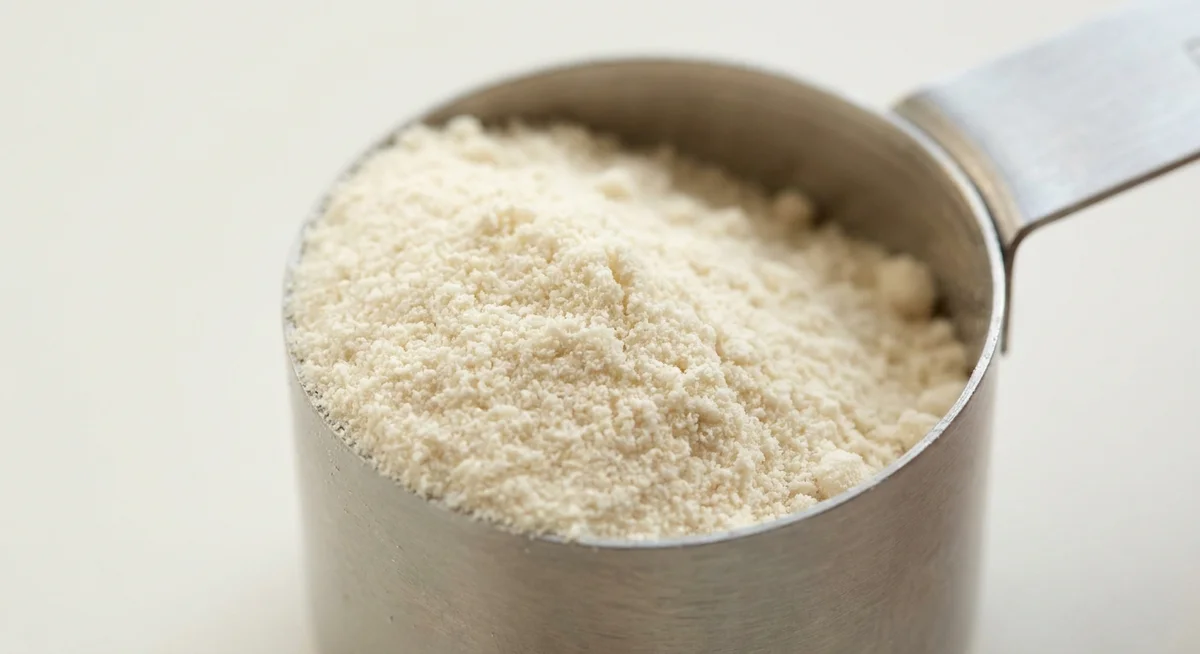
When a label says WPI 90, it means the powder is at least 90% protein by weight. That sounds simple, but the implications are huge.
Compare it to a typical concentrate sitting at 75%. The remaining 25% in concentrate is made up of lactose, fat, moisture, and minerals. In a 30g scoop, that's around 7-8g of stuff that isn't protein. Some of it is fine, some of it (like lactose) is exactly what causes the bloating and gut issues people complain about with cheap proteins.
With WPI 90, that scoop delivers about 27g of pure protein with minimal lactose, minimal fat, and minimal carbs. The math works out to a leaner, cleaner product that does more of what protein is supposed to do without the baggage.
The difference between 75% and 90% protein doesn't sound like much on paper. In practice, it changes everything about how the powder digests, performs, and feels.
The Real Benefits of High-Quality Whey Isolate
Protein supplementation isn't magic. It works because protein is the raw material the body uses for almost every tissue and process. Muscles, enzymes, hormones, immune cells, hair, skin, nails. Without enough protein, nothing functions properly. With high-quality whey isolate, hitting daily targets becomes easy.
Muscle Repair and Growth
Whey is packed with branched-chain amino acids (BCAAs), particularly leucine, which is the amino acid most responsible for triggering muscle protein synthesis. Isolate delivers a denser hit of these aminos per scoop than concentrate.
Fast Absorption
Whey digests quickly, typically peaking in the bloodstream within 60-90 minutes. That makes it ideal post-workout when the body is primed to soak up nutrients. Isolate is even faster than concentrate because there's less fat and lactose slowing things down.
Easier on the Gut
For anyone with mild lactose sensitivity, WPI is often the difference between feeling great and feeling bloated. The filtration process strips out most of the lactose, leaving behind a powder that's far gentler on the digestive system.
Lean Macros
For anyone tracking calories, the macro profile of WPI 90 is genuinely impressive. High protein, very low carbs, very low fat. It's protein in its most efficient form, which matters when calories are tight but protein needs are high.
Versatility
Quality whey isolate mixes cleanly with water, milk, or smoothies, and it doesn't clump or settle the way some heavier concentrates do. It bakes well, blends well into yoghurt or oats, and doesn't dominate flavours.
Why Quality Isn't Just a Marketing Word
Here's where things get a bit uncomfortable for the budget protein industry. Not all whey is created equal, and the gap between premium and cheap is wider than the price tag suggests.
Source Matters
The quality of whey depends on the quality of the milk it came from. Cows raised on pasture, in lower-stress environments, with proper nutrition produce milk with a better fatty acid profile and more beneficial bioactive compounds. The protein extracted from that milk carries those qualities through.
Processing Matters
Gentle, low-temperature processing preserves the protein structure and keeps important fractions like immunoglobulins, lactoferrin, and alpha-lactalbumin intact. Aggressive processing, used to cut costs, can damage these and reduce the powder to just a protein number without the full nutritional benefit.
What's Not in It Matters
Cheap proteins often hide behind fillers, gums, artificial sweeteners, and unnecessary additives. Some use a practice called amino spiking, where free amino acids are added to inflate the protein count on lab tests, even though those aminos don't function the same way as whole protein. A premium product should have a short, transparent ingredient list.
Taste and Mixability Matter Too
This sounds shallow, but a protein that tastes chalky or won't mix properly ends up in the back of the cupboard. The best raw materials and processing methods produce a powder that dissolves smoothly and tastes clean. That consistency is part of what people are paying for.
Picking the Right Protein for the Job
Not everyone needs the highest grade of isolate. Someone using protein casually, mostly for convenience, can do fine with concentrate. But for people who are serious about training, body composition, or just getting the most out of every gram they consume, WPI 90 is in a different league.
A few situations where premium isolate really earns its keep:
- Post-workout recovery when fast absorption and a clean amino profile matter most.
- Cutting phases where every calorie counts and protein needs are high.
- Lactose sensitivity where concentrate causes digestive issues.
- High training volume where total daily protein intake is hard to hit through food alone.
- Anyone who simply wants the cleanest option without compromises.
The Bottom Line
Whey protein has come a long way from being cheese factory waste. The modern process of filtering, concentrating, and drying it has produced one of the most studied and effective protein sources available. But within that category, there's a real hierarchy, and WPI 90 sits